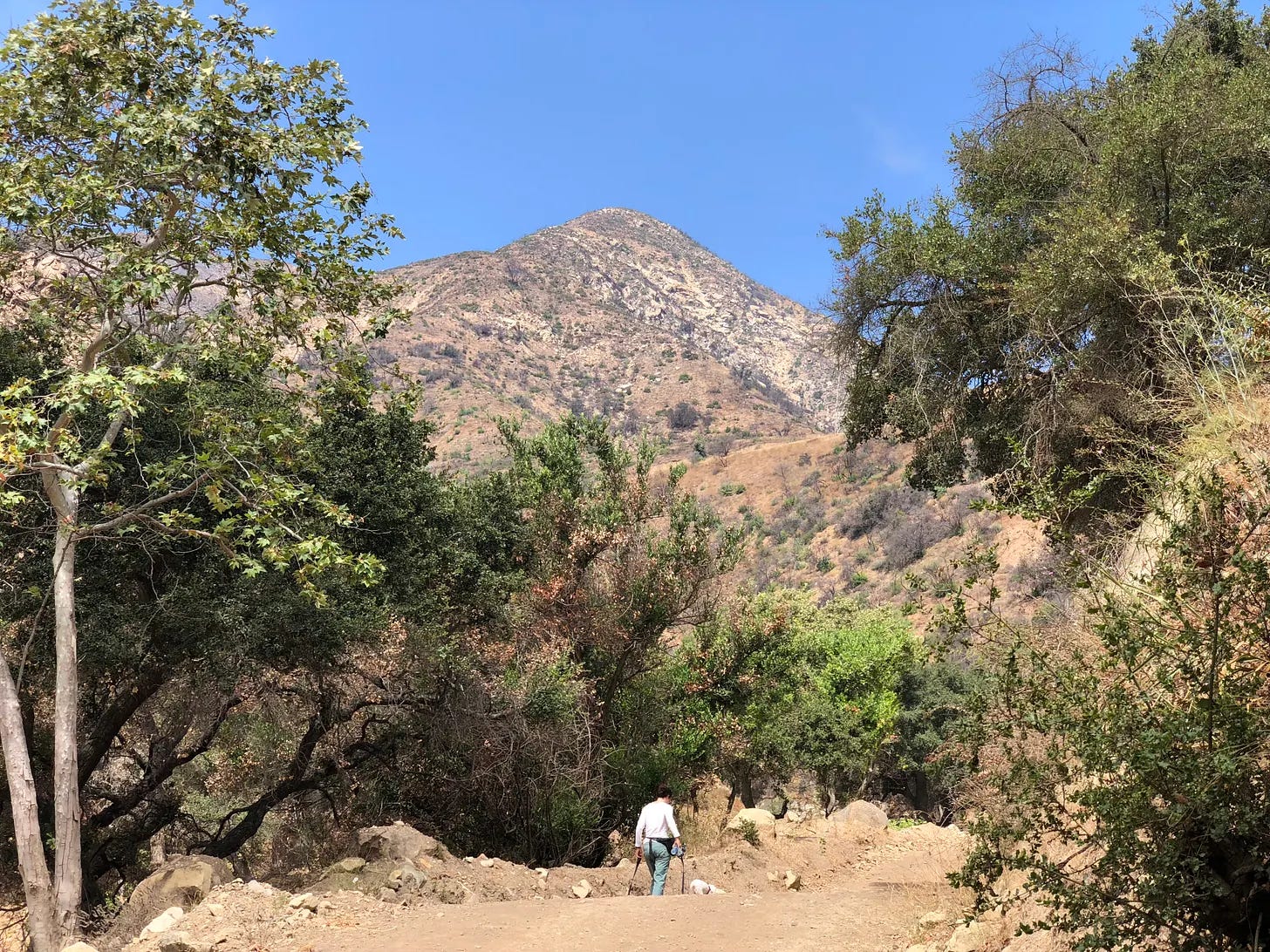
Photo by Don Pierce
If Part II described the structure of the Heartwood Path, Part III describes the experience.
A developmental architecture is not only a model; it is a way a life feels from the inside.
Each layer carries its own atmosphere, tensions, movements, and forms of coherence.
The seven layers of the Heartwood Path are ecological, but they are also experiential.
They describe how a life grows through the world — not away from it.
1. Roots in Mud
The feeling of first contact
Roots form in darkness, density, and saturation.
This layer feels like contact with what is raw, unfiltered, and real.
There is no clarity yet — only the sense of being held by something larger and older than oneself.
It is the experience of grounding, survival, and first coherence.
A life begins by entering what is messy and alive.
2. Emergence Through Understory
The feeling of early patterning
The understory is crowded, shaded, and formative.
This layer feels like learning to navigate complexity without full visibility.
Patterns begin to appear — not yet stable, but unmistakably forming.
It is the experience of early identity, first direction, and the beginnings of differentiation.
3. Direction Through Trunk
The feeling of vertical commitment
The trunk is the moment a life chooses direction.
This layer feels like coherence becoming visible — a decision to rise, to hold shape, to commit to form.
There is a sense of alignment, of something central beginning to strengthen.
It is the experience of orientation, structure, and integrity.
4. Deepening Through Heartwood
The feeling of inward density
Heartwood forms slowly, inwardly, over time.
This layer feels like consolidation — the gathering of what is true, the quiet strengthening of what will not bend.
It is not dramatic.
It is steady, dense, and essential.
It is the experience of identity, inward strength, and deep coherence.
5. Expression Through Branches
The feeling of outward articulation
Branches extend a life into the world.
This layer feels like expression — the translation of interior form into work, relationship, creativity, and service.
It is the outward articulation of what the heartwood has become.
It is the experience of contribution, reach, and visible form.
6. Presence Through Canopy
The feeling of atmosphere
The canopy is not a single branch but the total presence a life creates.
This layer feels like atmosphere — the climate generated simply by existing within the world.
It is influence without effort, presence without performance.
It is the experience of relational field, lived atmosphere, and quiet impact.
7. Orientation Through Skyfield
The feeling of horizon
Skyfield is the open field above the canopy — the space of horizon, weather, and direction.
This layer feels like spaciousness, long‑arc vision, and participation in larger patterns.
It is where a life begins to sense its place within cycles, seasons, and meaning.
It is the experience of worldview, horizon, and orientation.
The Movement Through the Layers
A life does not move through these layers in a straight line.
It spirals, returns, deepens, and rises again.
Roots thicken.
Heartwood forms.
Branches extend.
Canopy shifts with season.
Skyfield opens and closes with weather.
The architecture is stable.
The movement is alive.
Toward Part IV
Part IV turns toward practice.
If Part III describes the interior experience of each layer, Part IV describes how immanence becomes visible in daily life — in work, relationship, creativity, crisis, and presence.
Call to Action
An Invitation to Continue the Deepening
For readers who feel the resonance of this experiential architecture, the next steps are simple:
Continue to Part IV: Immanence in Practice
Explore how development appears in daily life
Join the conversation
The movement continues.