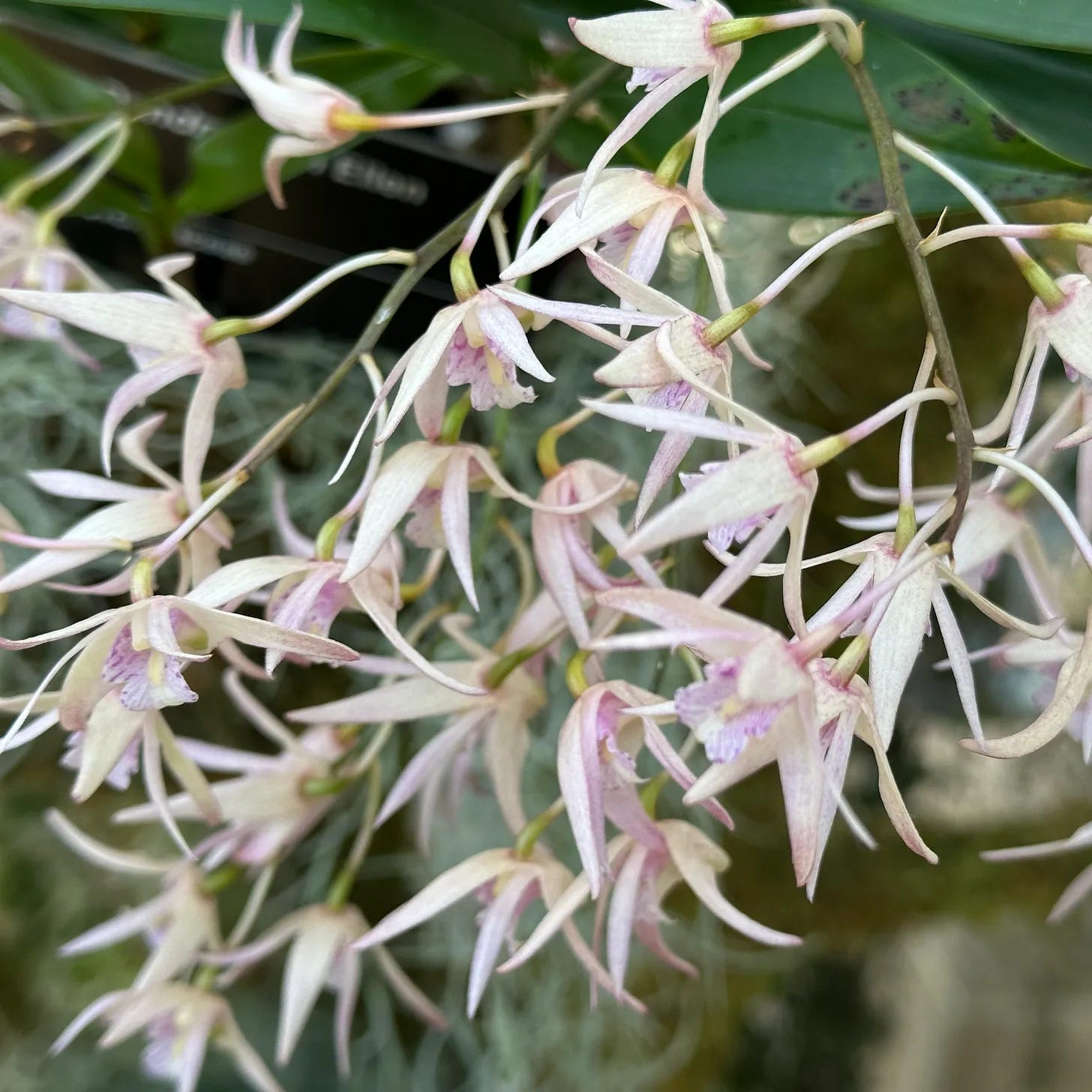
Photo by Don Pierce
When someone is caught in overwhelming thoughts — especially thoughts that feel threatening, symbolic, or deeply personal — they often become isolated. Not because they want to be alone, but because the world becomes too difficult to navigate.
People argue with them.
People avoid the topic.
People try to correct the story.
People accidentally reinforce the fear.
People don’t know what to say.
And so the person retreats into the only place that feels coherent:
their own mind.
This isolation is one of the most painful parts of delusional experience.
It is also one of the most painful parts of caregiving.
Nature offers something rare in these moments:
a companion that doesn’t argue, doesn’t agree, and doesn’t leave.
Why Delusions Create Isolation
Delusional thinking is not “believing something strange.”
It is the mind trying to protect itself by creating a story that explains overwhelming sensations.
But these stories often feel:
urgent
personal
threatening
symbolic
impossible to share
When the person tries to talk about it:
arguments feel invalidating
agreement feels frightening
silence feels like abandonment
advice feels like pressure
So they stop talking.
They stop trusting.
They stop reaching out.
Isolation grows around them like a shell.
Why Arguing Makes Things Worse
When someone is overwhelmed, their nervous system is in a state of threat.
In this state:
disagreement feels like danger
correction feels like attack
logic feels irrelevant
confrontation increases fear
Arguing with the story strengthens the story.
It tells the person:
“You’re wrong.”
“You’re alone.”
“You can’t trust your own experience.”
This deepens isolation.
Why Agreeing Makes Things Worse
Agreeing with the story reinforces the fear.
It tells the nervous system:
“The danger is real.”
“You should be afraid.”
“You’re right to panic.”
This escalates the situation.
Agreement feels supportive in the moment, but it strengthens the fear long‑term.
Nature Offers the Third Path
Nature does not argue.
Nature does not agree.
Nature does not interpret.
Nature does not pressure.
Nature does not demand.
It simply stays.
A tree does not challenge your thoughts.
A river does not confirm your fears.
A hillside does not require you to explain yourself.
Nature is presence without pressure.
This is exactly what an overwhelmed mind needs.
A Practice: Sitting With Something That Doesn’t Respond
This practice helps break isolation gently.
Step 1 — Sit near something natural.
A tree, a rock, a patch of sky, a body of water.
Step 2 — Let it be your companion.
Not a symbol.
Not a message.
Not a sign.
Just a presence.
Step 3 — Notice that it does not react to your thoughts.
It does not confirm.
It does not deny.
It does not interpret.
Step 4 — Let yourself rest in that neutrality.
This gives the mind a place where it can exist without being challenged or reinforced.
Why This Helps People in Distress
When someone is overwhelmed, they often feel:
watched
judged
misunderstood
alone
pressured to explain
pressured to defend
Nature offers the opposite experience:
unobserved
unpressured
unjudged
accompanied
accepted
safe
This breaks isolation without feeding the fear.
It gives the person a companion who is steady, quiet, and trustworthy.
Why This Helps Caregivers
Caregivers often feel trapped between two impossible choices:
argue with the story
agree with the story
Nature gives caregivers a third option:
shift the environment, not the belief.
You can say:
“Let’s sit outside for a moment.”
“Let’s look at something steady together.”
“Let’s be with something that doesn’t talk back.”
This preserves trust.
It reduces pressure.
It creates shared presence without confrontation.
It also gives the caregiver a break — a moment where the environment does some of the emotional labor.
Nature as a Companion That Doesn’t Need Anything From You
This is the heart of the essay.
Nature does not require:
explanation
justification
clarity
coherence
correctness
calmness
It accepts the person exactly as they are.
This is the kind of companionship an overwhelmed mind can tolerate — and sometimes, the only kind it can tolerate.
Closing Reflection
Delusional thinking isolates because the world becomes too sharp, too symbolic, too personal.
People don’t know how to respond.
The person doesn’t know how to share.
Nature breaks that isolation gently.
It offers:
presence without pressure
companionship without interpretation
steadiness without demand
neutrality without coldness
acceptance without agreement
Nature is the companion that doesn’t argue.
The companion that doesn’t collude.
The companion that doesn’t leave.
It is the companion that allows the person to stay connected to the world — even when their inner world feels overwhelming.