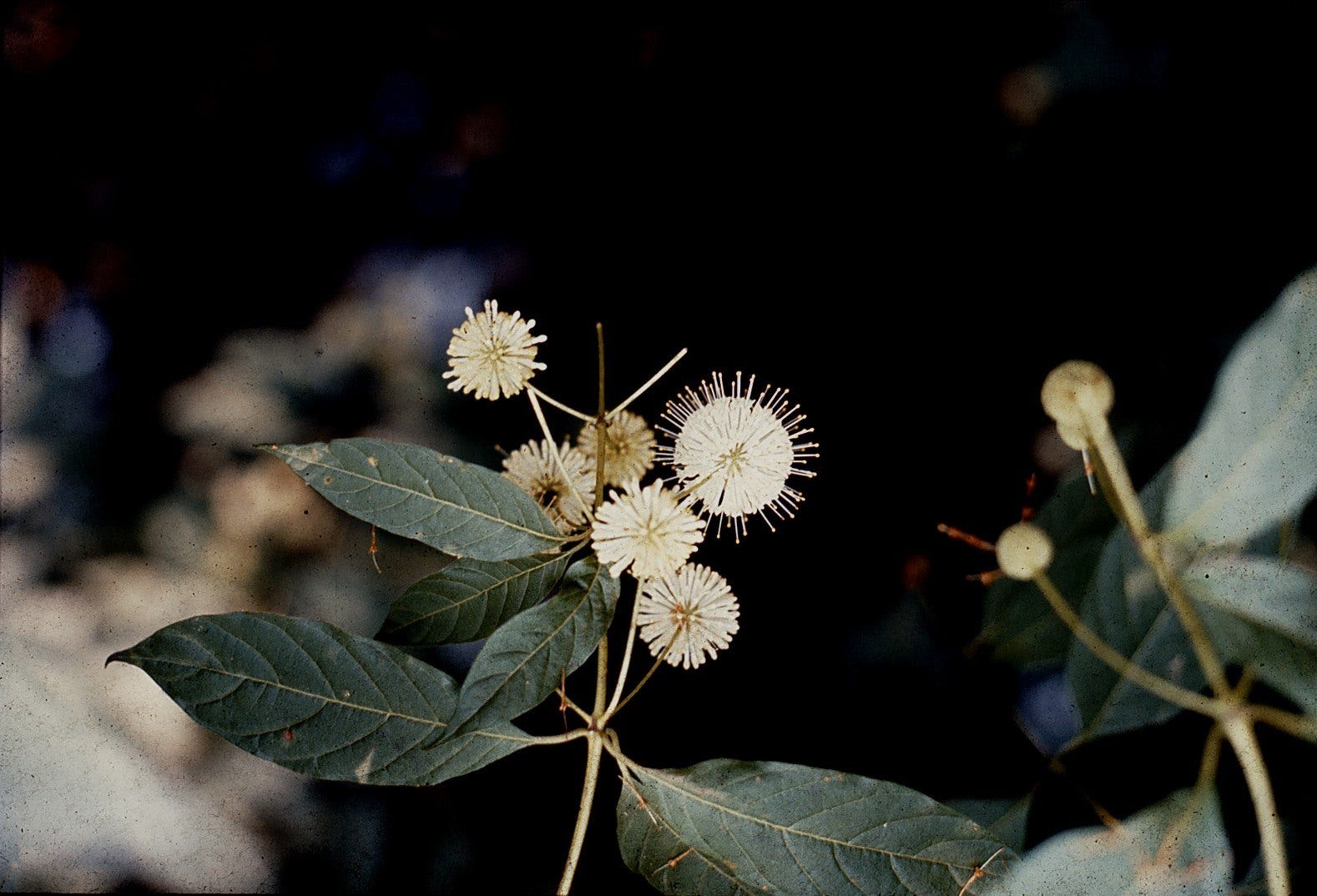
Photo by Don Pierce.
Below is a list of key biblical passages that explore this reciprocal relationship — between developing one’s inner nature (heart, spirit, awareness, righteousness) and the appreciation, healing, and regeneration of the natural world.
I. Foundational Passages — Inner and Outer Creation as One
1. Genesis 1:26–31
“Let us make humankind in our image… and let them have dominion… God saw everything that he had made, and indeed, it was very good.”
Theme: Sacred image and ecological responsibility.
The “image of God” implies inner likeness — capacity for compassion, creativity, and care.
The outer world thrives when this inner likeness manifests as stewardship rather than domination.
The difference between dominion and domination is subtle but profound, especially in moral, ecological, and relational contexts. Here’s a careful breakdown:
1. Dominion
Meaning:
Refers to responsible stewardship, care, and guidance over something.
Implies authority exercised with respect, responsibility, and relational awareness, not coercion.
Often used in a biblical or ecological sense, e.g., humans having dominion over the Earth (Genesis 1:26–28) is ideally understood as caretaking rather than exploitation.
Key Features:
Stewardship and protection
Ethical and relational accountability
Symbiotic or mutually beneficial relationship
Authority tempered by care
Example:
A gardener has dominion over a plot of land: she decides what to plant, waters the soil, protects it from pests — all while respecting the soil, plants, and ecosystem.2. Domination
Meaning:
Refers to control, coercion, or subjugation over someone or something.
Implies authority exercised primarily for personal gain or power, often ignoring the needs, rights, or well-being of others.
Typically carries negative connotations in social, ecological, or political contexts.
Key Features:
Coercive or exploitative
Self-serving rather than relational
Suppresses freedom or growth of others
Often destructive to relationships or ecosystems
Example:
A landowner dominates the land by over-farming, using chemicals, or draining wetlands, prioritizing short-term profit over ecological balance.
2. Genesis 2:7,15
“Then the Lord God formed man from the dust… and put him in the garden to till it and keep it.”
Theme: Breath and soil unity.
Inner life (breath of God) and outer environment (dust of the ground) share one origin.
Developing the inner breath (awareness, gratitude) naturally leads to caring for the soil that sustains it.
II. Wisdom Tradition — Inner Wisdom and the Living Earth
3. Job 12:7–10
“Ask the animals, and they will teach you; the birds of the air, and they will tell you… In his hand is the life of every living thing and the breath of every human being.”
Theme: Learning from creation.
True wisdom and self-knowledge come from humility and attentiveness to the living world.
Recognizing that “life-breath” is shared dissolves separation between self and Earth.
4. Proverbs 3:19–20; 8:22–31
“By wisdom the Lord founded the earth… Wisdom was beside Him, rejoicing in His inhabited world and delighting in humankind.”
Theme: Cosmic wisdom and joy.
The same wisdom (inner moral order) that guides a virtuous life also shapes ecological harmony.
Cultivating inner wisdom aligns one’s actions with the creative intelligence embedded in nature.
5. Psalm 104:24–30
“When you send forth your Spirit, they are created; and you renew the face of the ground.”
Theme: Spirit as the principle of regeneration.
The Spirit (ruach) that renews human hearts is the same force that regenerates ecosystems.
Spiritual renewal and ecological renewal are parallel processes of reanimation by divine breath.
III. Prophetic Vision — Healing the Land through Inner Righteousness
6. Isaiah 32:15–17
“Until the Spirit is poured upon us from on high, and the wilderness becomes a fruitful field… The effect of righteousness will be peace.”
Theme: Moral renewal leads to ecological renewal.
Inner righteousness — justice, humility, compassion — restores harmony in the natural world.
Social and environmental peace emerge together when inner life is rightly ordered.
7. Hosea 2:18–23
“I will make for them a covenant on that day with the wild animals… I will sow her for myself in the land.”
Theme: Reconciliation with creation.
Healing the relationship between God and the human heart also heals the covenant with nature.
When inner faithfulness returns, the land and its creatures share in that restoration.
8. Ezekiel 36:25–30
“I will sprinkle clean water upon you… I will give you a new heart and put a new spirit within you… and you shall dwell in the land.”
Theme: Purification and abundance.
The cleansing of the inner self (heart, spirit) and the renewal of the land are interdependent.
Ecological flourishing follows from spiritual purification and moral transformation.
IV. Inner Renewal and Creation’s Redemption
9. Matthew 6:26–30
“Look at the birds of the air… Consider the lilies of the field, how they grow…”
Theme: Contemplative awareness and trust in creation.
Jesus teaches that appreciation of natural beings refines inner peace and lessens anxiety.
Spiritual development arises through contemplative attention to the effortless life of nature.
10. Romans 8:18–23
“The creation waits with eager longing for the revealing of the children of God… creation itself will be set free from its bondage to decay.”
Theme: Shared destiny of inner and outer liberation.
Humanity’s inner transformation (“revealing”) is the condition for the regeneration of creation.
Ecological healing is inseparable from spiritual awakening — both are movements toward divine freedom.
11. Colossians 1:15–20
“Through Him all things were created… and through Him God was pleased to reconcile all things, whether on earth or in heaven.”
Theme: Christ as cosmic reconciler.
The spiritual center of the human being (Christ within) is the same power that reconciles the cosmos.
Developing inner Christ-consciousness restores harmony across creation.
12. Revelation 22:1–2
“Then the angel showed me the river of the water of life… and on either side of the river was the tree of life, whose leaves are for the healing of the nations.”
Theme: Renewal of paradise through spiritual wholeness.
The final vision of the Bible joins inner life (“water of life”) and outer regeneration (“tree of life”).
The healed heart participates in the universal restoration of nature and community.
V. Summary of the Relationship
Breath & Soul, Genesis 2:7,15
Wisdom & Wonder, Job 12:7–10;
Spirit & Justice, Isaiah 32 and Ezekiel 36
Contemplation & Trust, Matthew 6:26–30
Transformation & Liberation, Romans 8:18–23
Reconciliation & Wholeness, Colossians 1:15–20
Vision & Fulfillment,Revelation 22:1–2.
Essential Readings:
• […]
• […]

Recommended Readings:
• […]
• […]
• […]
• […]

For additional readings, visit Heartwood Path Beat.