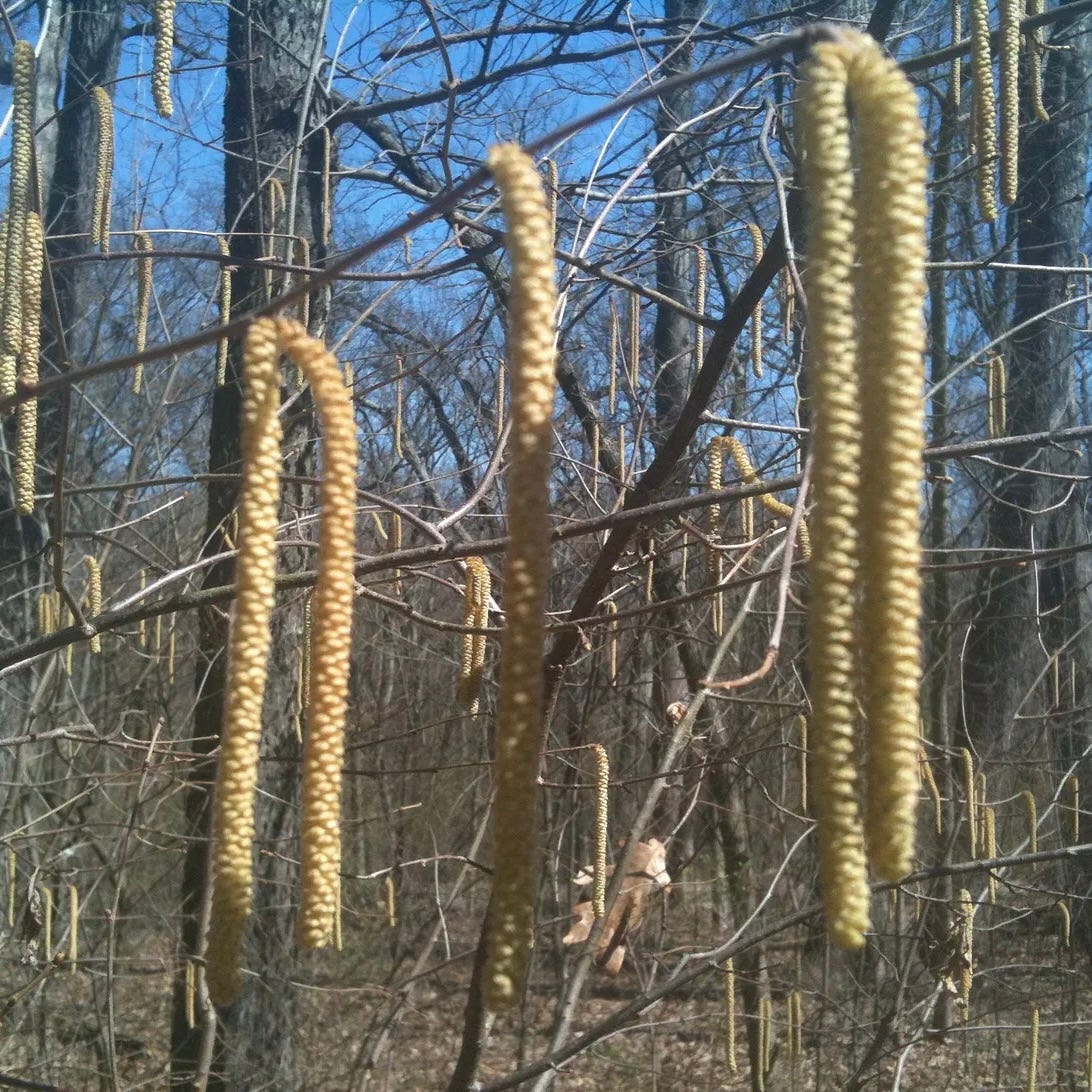
Photo by Don Pierce
Gratitude is more than appreciation.
Appreciation notices goodness.
Gratitude returns it.
Gratitude is the emotional condition that opens the gateways to coherence, ecological ethics, and the valued traits that support a magnificent future.
It shifts attention from scarcity to sufficiency, from fear to clarity, from isolation to connection.
Gratitude is simple, but not trivial.
It is a physiological and psychological state that widens perception, softens defensiveness, and strengthens trust.
It turns the heart outward, making generosity possible and reciprocity natural.
When we practice gratitude, the ordinary becomes luminous.
What once felt discouraging becomes workable.
What once felt overwhelming becomes meaningful.
Gratitude makes presence more important than possession, and being more important than having.
Gratefulness is also ecological.
It reminds us that we live inside a web of relationships — not outside it.
Every breath is a gift from plants.
Every comfort is supported by ecosystems.
Every moment of beauty is a form of kindness offered by the living world.
To acknowledge this is to recognize that we are not separate from nature, nor above it.
We are participants in a reciprocal relationship.
Gratitude strengthens that relationship.
It reduces fear.
It reduces anger.
It reduces perfectionism.
It increases courage.
It increases generosity.
It increases the willingness to act on behalf of others — human and more‑than‑human.
Gratitude is the mother of all other good feelings.
It glues the positive to one’s life.
It fuels the traits needed for eco‑centric elders.
It expands the sense of self outward to include community, Earth, and the whole.
If you do nothing else on the Heartwood Path, do this:
Feel thankful.
Act on your gratitude.
Return the kindness you receive.
It will be enough.