


Pexels.com.
Observing Ant Nest-Building: An Ecological Psychology Perspective
Ants, often regarded as nature’s architects, provide a fascinating glimpse into ecological systems through their nest-building behaviors. These tiny creatures, collectively achieving monumental feats, showcase resilience, adaptability, and interdependence. Observing ant nest-building through the lens of ecological psychology is not merely an exercise in curiosity; it offers profound insights into the principles of perception and action, the interconnectedness of life, and the lessons humans can derive from observing nature’s smallest engineers.
The Ecological Role of Ant Nest-Building
Ant nest-building is a cornerstone of ecological processes and offers a model for understanding ecological psychology:
Soil Health and Aeration: As ants dig and excavate soil to create their nests, they aerate it, improving water infiltration and nutrient cycling.
Ecosystem Engineering: Ant nests support other organisms, from soil microbes to plants, by enriching the environment and fostering biodiversity.
Resource Distribution: Ant colonies collect and transport resources, redistributing nutrients and influencing ecological balance.
Habitat Creation: Their nests provide shelter not only for the colony but also for other species that cohabitate in or near the structure.
Ants’ activities are deeply intertwined with their surroundings, making their nest-building behaviors a microcosm of ecological interactions.
The Ecological Psychology Perspective
Ecological psychology emphasizes the dynamic relationships between organisms and their environments. From this perspective, ant nest-building serves as an ideal example of how perception drives action, and how these actions shape and are shaped by the environment.
1. Affordances and Environmental Perception
Ants perceive their environment as a landscape of affordances—opportunities for action:
Loose Soil: Offers the possibility of excavation for building tunnels and chambers.
Moisture: Provides structural stability to their nests.
Vegetation Proximity: Creates opportunities for resource collection and protection.
These affordances are not static; ants adapt their behavior based on environmental feedback, showcasing a reciprocal relationship between perception and action.
2. Collective Decision-Making
Ants operate as a distributed intelligence system. Individual ants respond to local cues, such as pheromones or soil conditions, yet their collective behaviors result in complex, functional nest structures. This aligns with ecological psychology’s emphasis on the interplay between individual actions and broader system dynamics.
3. Feedback Loops
Nest-building is a process of continuous feedback:
Environmental Cues: If soil collapses or conditions change, ants adjust their building strategy.
Social Feedback: Pheromone trails and tactile signals guide cooperative effort and resource allocation.
This adaptability reflects the ecological psychology principle that behavior is dynamically adjusted to environmental and social inputs.
The Human Experience: Observing Ant Nest-Building
For human observers, the act of watching ants build their nests provides opportunities for both intellectual and emotional engagement, fostering awareness, understanding, and connection.
1. Awareness of Interdependence
Ant nest-building highlights the interconnectedness of life. Every action—digging, carrying, or depositing soil—is part of a collective effort that benefits the entire colony and its ecosystem. For humans, this observation reinforces:
Ecological Interdependence: Understanding that all species contribute to ecosystem health, directly or indirectly.
Community Dynamics: Recognizing parallels between human collaboration and the collective actions of ant colonies.
2. Expanding Perception
Observing ants requires attention to detail and patience, sharpening human perception:
Focus on Micro-Details: Watching the intricate movements of ants fosters an appreciation for small-scale ecological processes.
Pattern Recognition: Understanding how individual actions create larger structures enhances systems thinking.
3. Emotional Impact
Ant nest-building can evoke a range of emotions:
Curiosity: Observers are often captivated by the complexity and efficiency of ant behavior.
Awe: Witnessing the results of collective effort in nature can inspire a sense of wonder.
Connection: Seeing parallels between ant behaviors and human social systems fosters empathy for other forms of life.
Lessons from Ant Nest-Building
Observing ant nest-building offers practical and metaphorical lessons for human behavior and environmental engagement.
1. Resilience and Adaptability
Ants demonstrate extraordinary resilience:
Problem-Solving: When faced with challenges such as soil collapse or predators, ants adapt their strategies.
Persistence: Their continuous effort, even in adverse conditions, models determination.
For humans, these behaviors suggest the importance of adaptability and persistence in addressing personal and collective challenges.
2. Cooperation and Collective Action
Ant colonies exemplify the power of cooperation:
Each ant contributes to a specific task, from digging to defending the nest, ensuring the colony’s success.
The absence of a central leader highlights how decentralized systems can produce complex outcomes.
Humans can learn from this by valuing teamwork and recognizing that collective efforts often yield greater results than individual actions.
3. Efficient Resource Use
Ant nests are models of resource efficiency:
Chambers are strategically placed to optimize space and function.
Waste management systems within nests minimize environmental impact.
This efficiency inspires sustainable practices in human systems, encouraging minimal waste and mindful resource use.
Opportunities for Action Inspired by Ants
Observing ant nest-building can inspire concrete actions to support ecosystems and promote sustainability.
1. Protecting Soil Health
Ants contribute significantly to soil health. Observing their impact can motivate actions such as:
Avoiding harmful chemicals that disrupt soil ecosystems.
Supporting conservation efforts that protect habitats where ants thrive.
2. Encouraging Biodiversity
Ant nests support a variety of other species. Observers can take steps to protect these microhabitats by:
Planting native vegetation that provides resources for ants.
Preserving green spaces that allow ant colonies to flourish.
3. Applying Lessons of Collaboration
Human communities can emulate the cooperation seen in ant colonies:
Working collectively to address environmental challenges, such as reforestation or waste reduction.
Encouraging decentralized decision-making in organizations and communities to enhance adaptability.
Challenges to Ant Ecosystems and the Need for Action
Ant colonies face threats from habitat destruction, climate change, and pesticides. Observing their nest-building behaviors underscores the urgency of addressing these challenges:
Habitat Preservation: Protecting natural habitats ensures ants can continue their ecological roles.
Reducing Pesticide Use: Limiting chemical exposure protects ant populations and the ecosystems they support.
Climate Action: Stabilizing global temperatures helps maintain the environmental conditions necessary for ants to thrive.
Practical Applications of Observing Ant Behavior
1. Education and Outreach
Ant nest-building can be a focal point for educational programs:
Teaching children and adults about collective action and ecosystem dynamics.
Using ants as a gateway to broader ecological topics, such as biodiversity and resource management.
2. Nature-Based Therapy
Observing ants in their natural habitat can promote mindfulness and reduce stress:
Focusing on their intricate behaviors encourages presence and attention to detail.
Drawing metaphors from their persistence can inspire resilience in personal challenges.
3. Citizen Science
Encouraging individuals to document and study local ant populations can contribute to scientific research:
Tracking changes in ant behavior and habitats provides valuable data on ecological health.
Engaging communities in ant observation fosters environmental stewardship.
Conclusion
Ant nest-building is a remarkable process that reveals the complexity and interconnectedness of ecological systems. Through the lens of ecological psychology, observing ants provides insights into how organisms perceive and act within their environments, offering lessons in adaptability, resilience, and collaboration. For human observers, these small yet significant behaviors can inspire a deeper connection to nature and a commitment to fostering sustainability. By applying these observations to actions that support ecosystems, humans can mirror the industriousness and efficiency of ants, contributing to a thriving and resilient natural world.
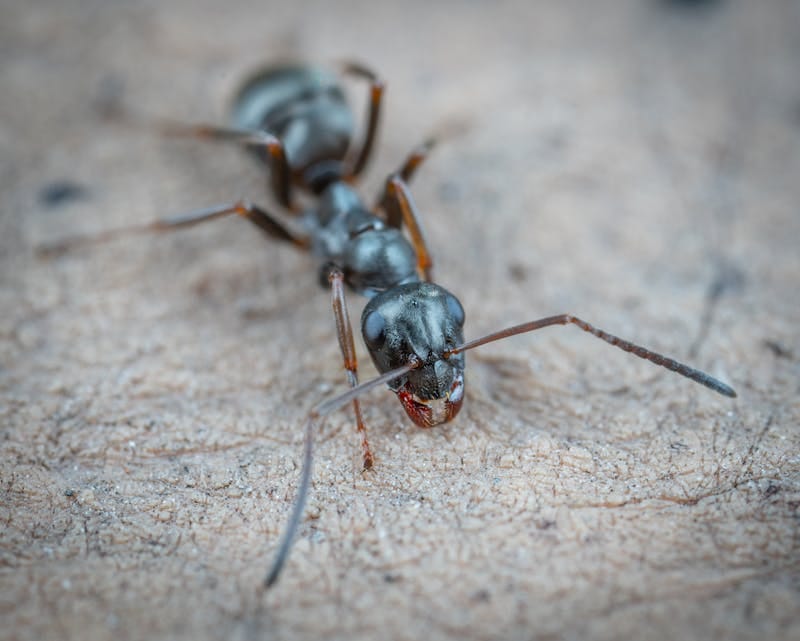
Pexels.com.
HumaNatureConnect Activity
Outdoor Activity: "Ant Networks: Exploring Interdependence Through Nest-Building"
Objective:
Participants will observe ant nest-building and explore how ants exemplify interdependence within their colonies and ecosystems. This activity fosters an understanding of interconnectedness and encourages participants to reflect on their roles in supporting both natural systems and human communities.
