

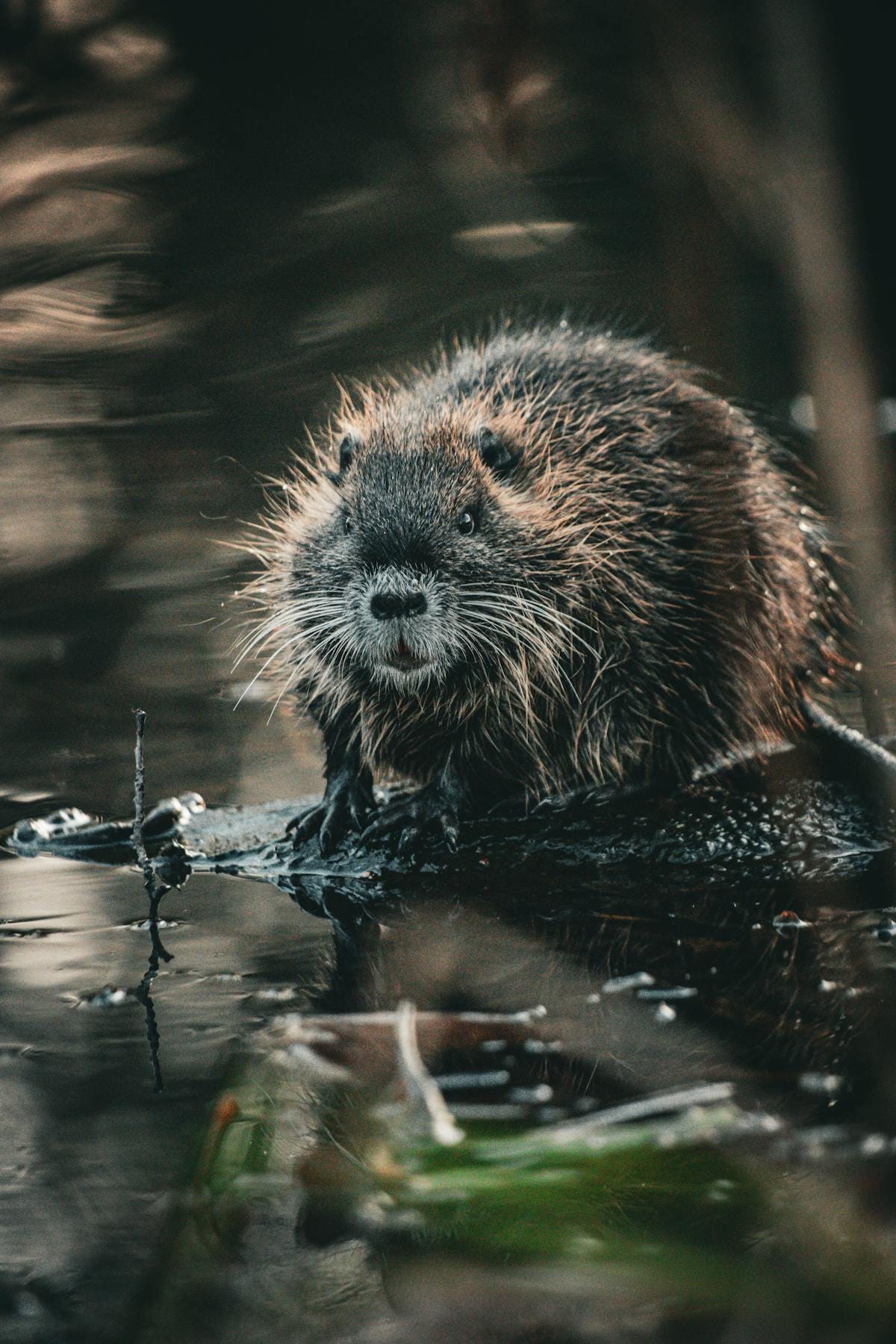
Pexels.com
Observing Beaver Dam Construction : Opportunities for Action, Stewardship and Coexistence
Beavers' ingenuity in building dams is an amazing feat of nature. It teaches us valuable lessons about taking advantage of opportunities, encouraging stewardship and promoting peaceful coexistence. Beavers are often called ecosystem engineers because they transform their environment to not only meet their own survival needs, but to also create habitats for a variety of other species. Their dam-building activities show how opportunities can be used to encourage eco-stewardship, harmonious coexistence and ecological stewardship in an interconnected world.
By observing beavers in action, we gain insights into how purposeful actions taken to respond to environmental opportunities, can create thriving ecosystems and inspire people to take responsibility for the environment.
Opportunity in Action: Beaver Dam Construction
Beavers build dams to create ponds that serve as safe refuges from predators while providing easy access to food. This behavior shows a deep understanding of the environment and a willingness to take advantage of opportunities provided by natural resources. Beavers choose specific locations where the flow of water and availability of building material (trees and branches) make dam construction possible.
Seizing Opportunities in Nature
Beavers can identify the conditions in which they will survive. Their instinctive engineering skills and powerful teeth are used to create stable, protective habitats. This process highlights the idea of opportunities-in-action, where an organism recognizes and takes action on the opportunities its environment offers to secure its needs.
This behavior can help humans develop a resourcefulness and adaptability mindset. Just as beavers transform their environment to meet their needs without depleting it entirely, we can learn to identify sustainable opportunities in our own surroundings--whether it's repurposing resources, conserving energy, or addressing community challenges through innovative solutions.
Encouraging Stewardship
Beavers are important stewards for their ecosystems. Their primary goal is to protect themselves, but their actions have significant environmental benefits. The dam-building process creates ponds, wetlands and other habitats that are biologically diverse and productive. These wetlands are home to a wide variety of species, including plants, fish, amphibians and birds. They also provide habitat for countless other species.
Ecosystem Benefits
Beaver ponds are important for storing water, regulating stream flow, filtering pollutants and reducing erosion. These functions are important not only to biodiversity, but also to human communities who rely on clean drinking water and flood prevention. Beavers are a model of ecological stewardship, enhancing ecosystem resilience and protecting both human and natural systems.
Inspiring human stewardship
Beavers are ecosystem engineers, and their example can be a model for humans to serve as stewards. We can shape our environment like beavers but we must also prioritize sustainability and interdependence. Beavers show us that stewardship does not mean dominance, but rather creating conditions for all life to thrive. We can learn a lot from their behavior.
Restore ecosystems that have been degraded (e.g. rewilding initiatives incorporating beaver reintroduction).
Build infrastructures that work with natural systems, not against them (e.g. wetland preservation and sustainable water management).
Assume responsibility for your environmental impact and create habitats that are beneficial to other species, as well as yourself.
Promoting Coexistence
Beaver dams are a great example of coexistence, showing how the ingenuity of one species can enhance and support that other species. Although their actions can sometimes be in conflict with human needs, such as when they flood farmland and infrastructure, they also provide an opportunity to reconsider how we share our space with wildlife.
Promoting Biodiversity
Beaver ponds are a center of biodiversity. They provide a safe environment for fish to breed, breeding grounds for amphibians, and feeding zones for waterfowl. Inadvertently, their work increases an area's carrying capacity and allows more species to live in the same space. This process shows how self-interested actions can promote shared benefits and foster a harmonious ecosystem.
The Challenges of Coexistence
When their dams interfere in agriculture, logging or urban development, humans often view beavers negatively. These conflicts are caused by a lack understanding and appreciation of the ecological role beavers play. Their construction projects teach us about coexistence through empathy and innovation. You can, for example:
Installing "beaver snares" (flow devices), allows water to bypass the dams without them being destroyed, thus balancing beaver habitats with human needs.
By creating buffer zones around waterways, you can reduce conflict while still preserving the beaver's activity.
By seeking solutions to promote coexistence, rather than conflicting, humans can emulate the collaborative spirit of nature. This will foster shared spaces that allow both human and nonhuman communities to thrive.
Lessons for Human Communities
Beavers' actions are a microcosm for how humans interact with the environment and one another. Their way of transforming the environment, managing resources and living in harmony with other species offers both practical and philosophical lessons on how to live harmoniously within an interconnected world.
Collaboration and Resourcefulness
Beavers are able to use their natural skills to accomplish complex goals. Teamwork, persistence and problem solving are all traits humans can adopt to address societal challenges. We can build communities with the same adaptability and resilience as beaver ecosystems by working together and transforming our environments in a sustainable way.
Balance Needs and Impact
Beavers are able to balance their immediate needs against the wider impact of their actions. Although their dams change the landscape and water flow, the benefits far outweigh the cost, creating a more productive ecosystem. This balance reminds humans that they should put long-term gain over short-term gain. We must always consider the impact of our decisions on the larger web of life, whether we are designing cities, managing resources or tackling climate change.
Small actions can have a big impact
Beavers have a large impact on their ecosystems despite their small size. This illustrates the power of small changes to make a big difference. This lesson is especially relevant when encouraging environmental stewardship on an individual basis. Each person's actions, whether it is planting a tree or conserving water or supporting local conservation efforts, can have a positive ripple effect.
Conclusion
Beaver dam construction is a great example of how to promote coexistence and encourage stewardship. These clever creatures show us how to take advantage of the opportunities offered by our environment. Not only for personal benefit, but also for the wellbeing of whole ecosystems. These creatures remind us that stewardship, a natural extension to survival, is what ensures resilience and harmony in the web of interconnected life.
We can learn from beavers how to adapt their resourcefulness, commitment to collaboration and coexistence into our lives. Their example can help us to foster a harmonious and sustainable relationship with nature as we face global issues such as habitat destruction, climate change and biodiversity decline. By embracing these lessons we honor the wisdom and beauty of nature, but also ensure a prosperous future for all living things on Earth.
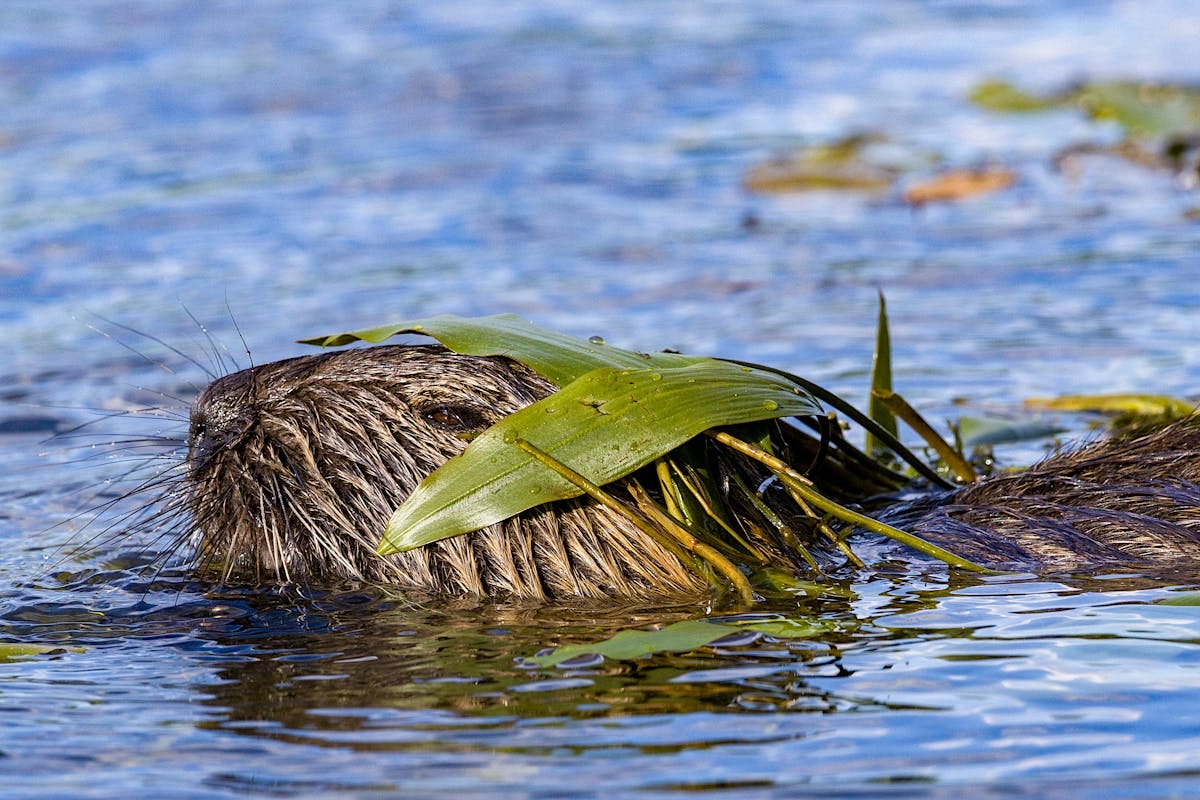
Pexels.com.
HumaNatureConnect Activity
Outdoor Activity: "Building for Balance" – Lessons from Beaver Dam Construction
Objective:
This outdoor activity allows participants to experience how observing and replicating aspects of beaver dam construction can teach ecological stewardship and promote coexistence. Through hands-on engagement, participants will learn about the ecological benefits of beaver dams, the importance of balancing needs, and strategies for fostering harmony within ecosystems.
