

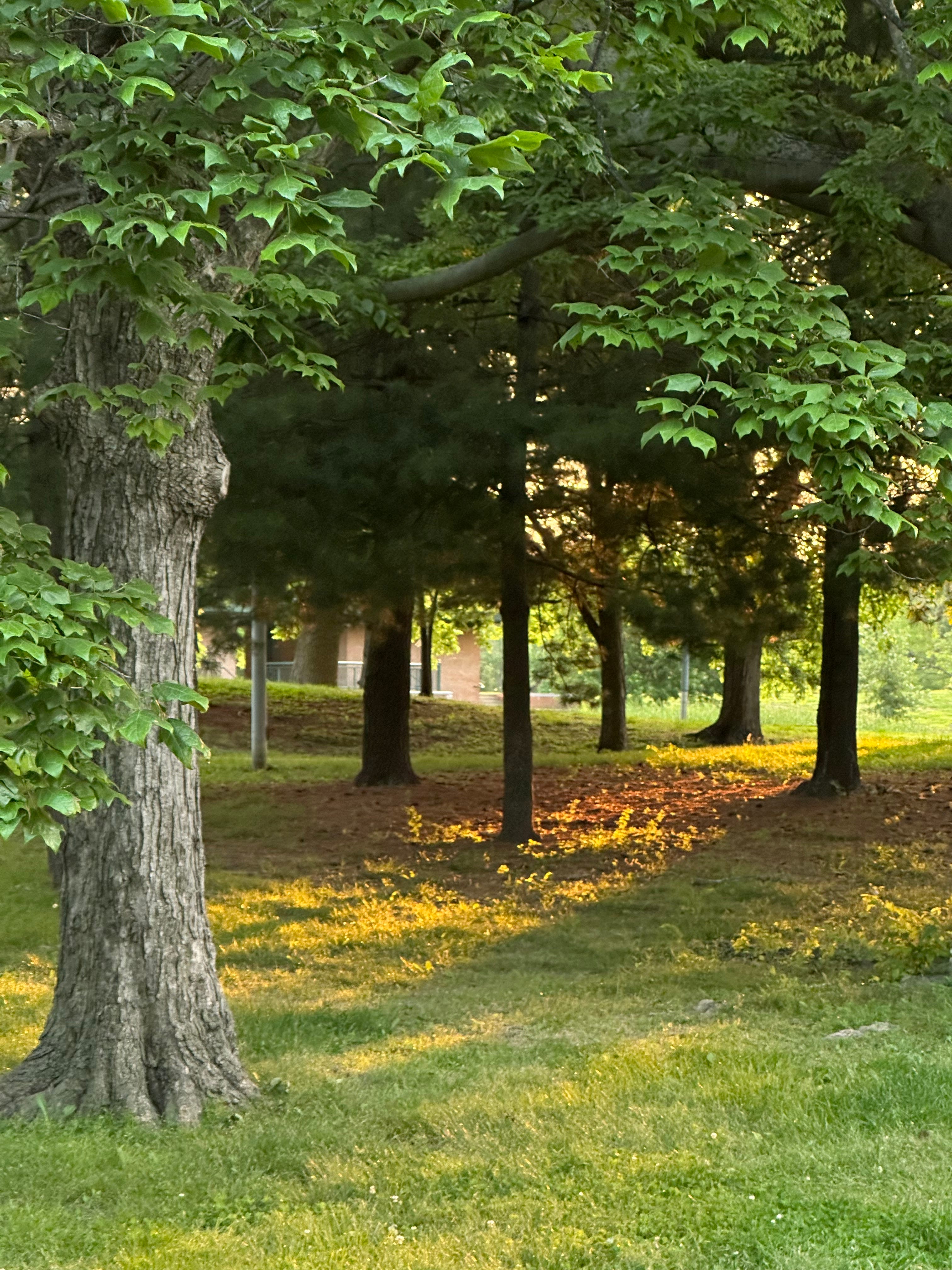
Photo by Don Pierce.
Using the Ecological Psychology Grid (Pye) as a Tool for Listening
In the previous article, I introduced the Heartwood Pathspans (Pierce) as lived terrains of moral development and nature regeneration. A natural next question followed:
Is there a way to work with these Pathspans more intentionally—without turning them into steps, stages, or techniques?
There is. Carefully.
What follows is not a new practice, but a listening lens: a way of noticing which ecological capacities are being exercised, and which may be under-supported, in individuals and groups.
This lens takes the form of a cross-referencing grid between:
Heartwood Pathspans (Pierce) — experiential terrains
Ecological Psychology Principles (Pye) — Energy, Diversity, Renewal, Relationship, Change
What the Table Is (and Is Not)
The grid is not:
a hierarchy
a developmental sequence
a prescription for what to do next
a measure of success
The grid is:
a pattern-recognition aid
a way to notice imbalance without blame
a support for discernment rather than control
Think of it the way an ecologist thinks of indicators:
signals, not commands.
How to Read the Grid
Every Pathspan engages all five principles to some degree
The grid marks where a Pathspan most strongly exercises a principle
A ● means emphasis, not exclusivity
Healthy development involves movement across many Pathspans, not mastery of a few
The Ecological Psychology Table
Principles (Pye) × Pathspans (Pierce)
Stabilizing
Arrival (Pierce) → Energy, Relationship
Grounding (Pierce) → Energy, Change
Orientation (Pierce) → Diversity, Relationship
Settling (Pierce) → Energy, Renewal
Gathering
Gathering Energy (Pierce) → Energy, Relationship
Clearing Fragmentation (Pierce) → Energy, Change
Containment (Pierce) → Energy, Relationship
Readiness (Pierce) → Energy, Change
Weaving
Cohesion (Pierce) → Diversity, Relationship
Synergy (Pierce) → Energy, Diversity, Relationship
Diversity (Pierce) → Diversity, Renewal
Alliance (Pierce) → Relationship, Change
Reciprocity (Pierce) → Renewal, Relationship
Attuning
Resonance (Pierce) → Energy, Relationship
Synchronicity (Pierce) → Relationship, Change
Flow (Pierce) → Energy, Renewal
Timing (Pierce) → Relationship, Change
Transforming
Momentum (Pierce) → Energy, Change
Resilience (Pierce) → Renewal, Change
Regeneration (Pierce) → Renewal
Transformation (Pierce) → Relationship, Change
Rebirth (Pierce) → Energy, Renewal
Flourishing (Pierce) → Diversity, Renewal, Relationship, Energy
Integrating
Stewardship (Pierce) → Energy, Relationship
Continuity (Pierce) → Renewal, Relationship, Change
How to Read This (One Sentence)
This map is not a prescription — it simply shows which ecological capacities each Pathspan most directly strengthens, helping facilitators and participants notice imbalance without turning the work into a method.What Becomes Visible
A few patterns emerge immediately:
Energy (Pye) is cultivated early and late — from Grounding to Flourishing
Renewal (Pye) concentrates in Transforming and Integrating Pathspans
Relationship (Pye) runs throughout, peaking in Weaving and Attuning
Flourishing (Pierce) uniquely engages four principles at once
This supports a central claim of the Heartwood work:
Flourishing is not a goal to pursue, but an emergent condition of balance.
How the Table Is Used
Facilitators don’t ask, “Which Pathspan should we do next?”
They ask:
Which qualities feel under-nourished here?
Are we emphasizing change without renewal?
Is energy high but relationship thin?
Participants use the grid reflectively, not analytically:
What feels scarce right now?
What kind of experience would restore capacity rather than demand effort?
The Table helps attention move away from self-improvement and toward right relationship.
Why This Table Comes Second
The Heartwood Pathspans were written as an invitation first, not a system.
This Table is offered later because:
structure introduced too early flattens experience
not all readers need analytical tools
some understanding must be lived before it is mapped
Those who need the grid will recognize it.
Those who don’t are better served without it.
That, too, is ecological.
Closing
The Table does not replace listening to land, body, or relationship.
It exists to support discernment, not override it.
Used well, it fades into the background — quietly helping care move more wisely.
Essential Readings:
• […]
• […]

Recommended Readings:
• […]
• […]
• […]
• […]

For additional readings, visit Heartwood Path Beat.