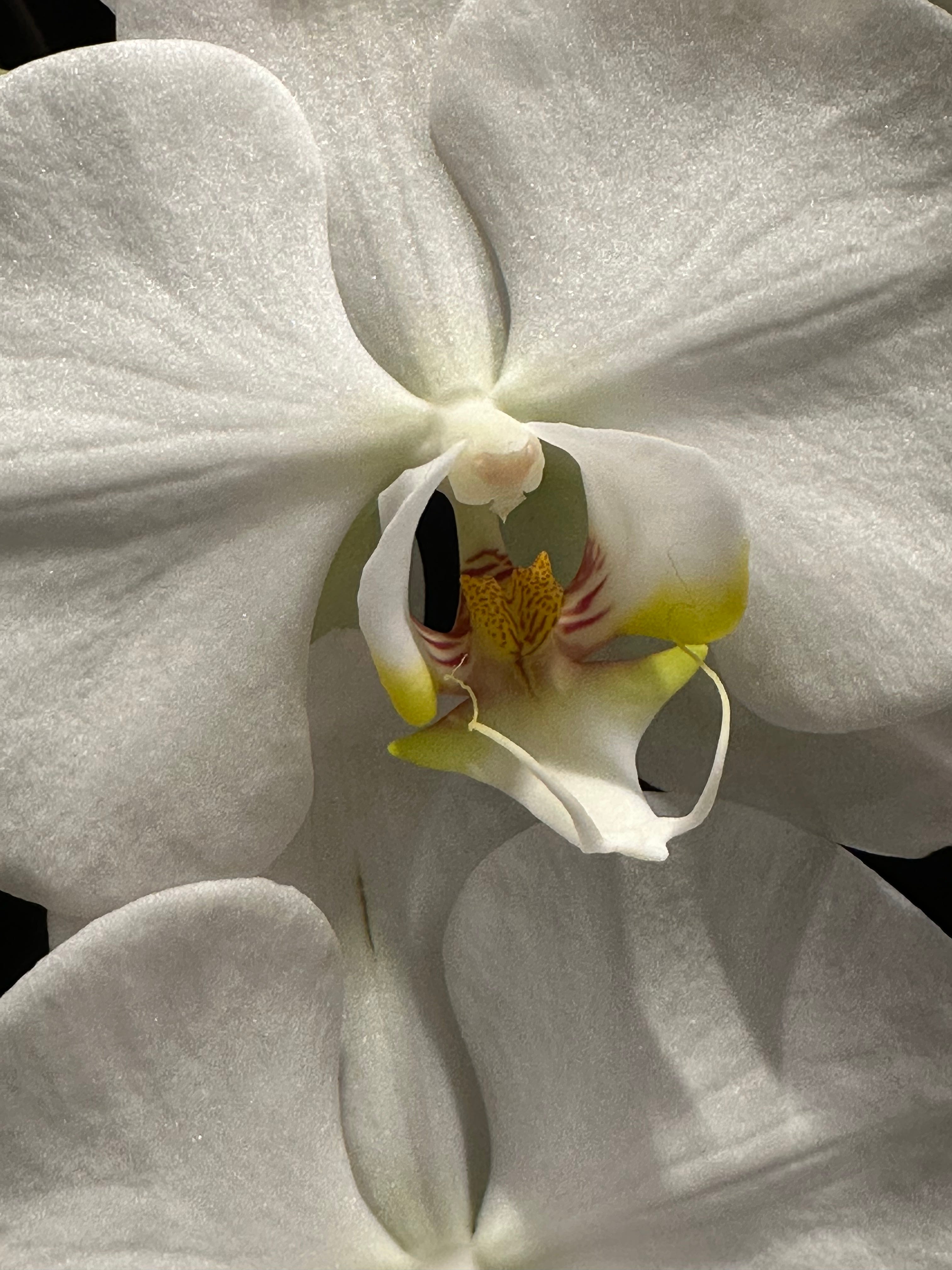
Photos by Don Pierce.
Transforming The Raw Gold Of Feeling Into The Refined Metal Of Understanding.
Nature often moves us through feeling — awe, peace, grief, vitality — and those emotions can hold genuine truths. But for those truths to become trustable, they must be tested, distilled, and embodied.
Here’s a way to walk that path step by step:
1. Begin With Direct Feeling
When you’re in nature, let yourself feel first — without trying to interpret.
The goal here isn’t “what does this mean?” but “what is this?”
Notice:
What sensations arise in the body?
What emotion colors the moment?
What quality of attention does the place invite (stillness, curiosity, surrender)?
Why this matters:
Pure feeling is data — unfiltered connection to the living world. You can’t build truth from nature if you haven’t fully received her signals.
2. Translate Feeling Into Pattern
After the emotional wave passes, begin to ask:
What is this feeling pointing toward?
What behavior or rhythm in nature sparked it?
What pattern do I see here that might have meaning?
Example: Watching a river, you feel calm and acceptance. The pattern underneath might be “Flow finds its way by yielding.”
That’s the seed of a truth — but it’s not trustable yet.
3. Test the Insight Across Realities
Ask:
Does this pattern hold up beyond this single moment?
Can I see this principle in other parts of life — in relationships, work, or change?
Does it align with what science or direct observation knows about how things work?
If your “river truth” — that yielding finds the way — also appears in social dynamics, emotional healing, and physical flow systems, you’ve found cross-context coherence. That’s a sign of trustable truth.
4. Ground It in Practice
Live the insight for a time.
Don’t just believe the river teaches surrender — practice surrender and see what happens.
Truth becomes trustworthy when it produces clarity, coherence, or integrity in lived experience.
Ask yourself:
Does this principle bring greater alignment and vitality?
Or does it collapse when I apply it in real life?
Experience will polish the raw intuition into something dependable.
5. Cross-Check With Other Minds
Share your insight with others — scientists, poets, gardeners, friends — and listen deeply.
If it resonates broadly across different lenses, that suggests it’s touching something real.
Nature’s truths are relational; they rarely belong to one person alone.
6. Distill Into Language or Art
Write, draw, sing, or ritualize the insight.
When you give it form, you reveal its structure — and often expose where it’s vague or inflated.
Expression tests truth the way fire tests metal.
“The forest reminded me that patience is growth without demand.”
If that phrase still feels true after time, expression has anchored it.
7. Keep It Alive, Not Fixed
Even the most trustable truth from nature isn’t final.
It’s a living principle — it deepens with your life and shifts as your perception matures.
The point is not to carve laws, but to cultivate relationship with the living intelligence behind them.
A feeling becomes a trustable truth when it continues to reveal coherence, compassion, and clarity — both in the world and in you — no matter how many times you test it.
Here’s how to turn the fleeting, emotional, living energy of being in nature into something solid enough to guide your life — a trustable truth.
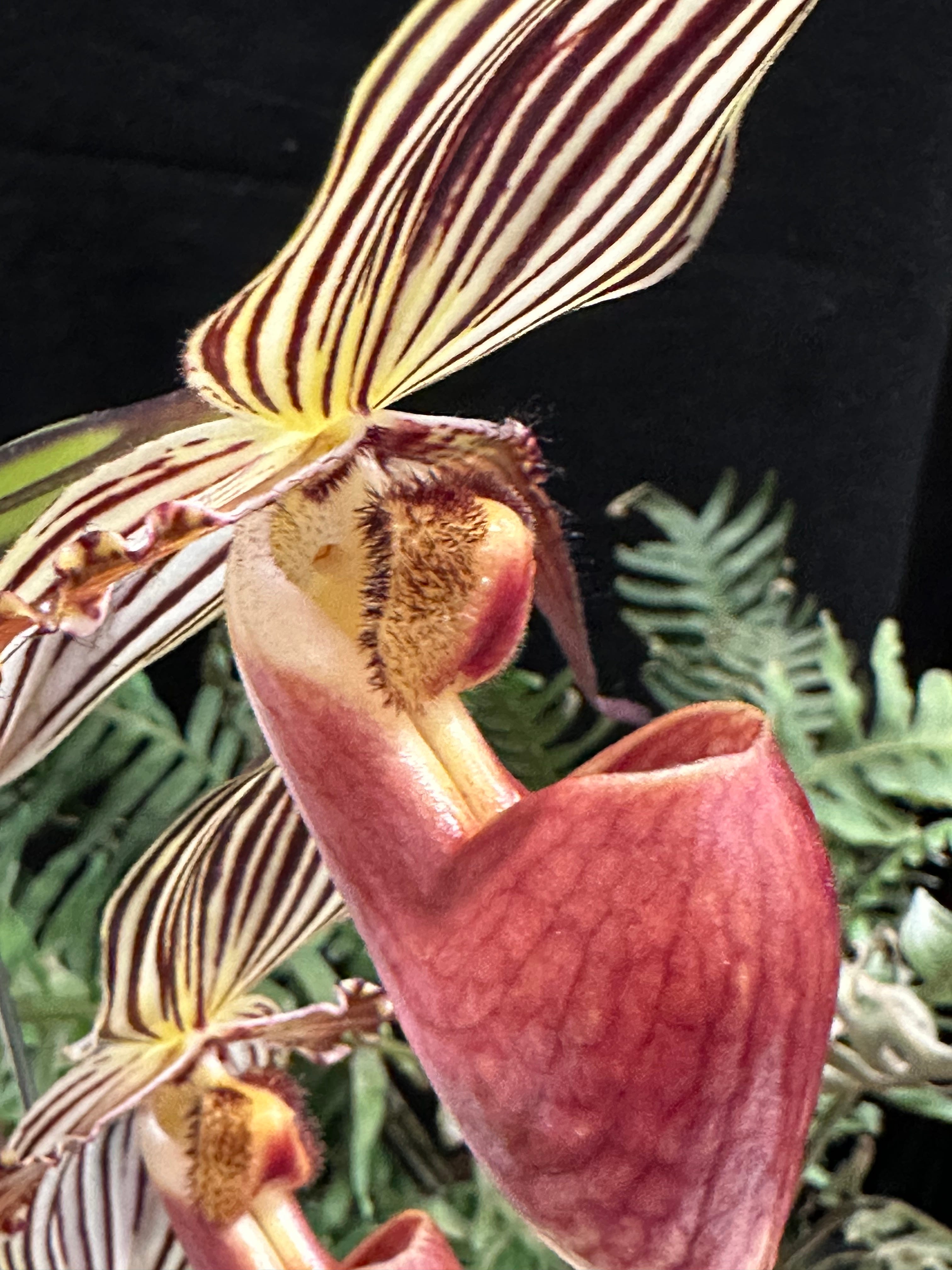
HumaNatureConnect Activity
This process isn’t about squeezing wonder into logic; it’s about refining experience into insight through attention, testing, and embodiment.
Here’s how you can do it — step by step, as both art and discipline:
1. Receive Before You Interpret
Truth begins with receiving, not thinking.
When you’re in nature, let yourself be moved — by light, sound, texture, rhythm.
Stay long enough for the nervous system to quiet, so perception becomes porous.
Feel the wind without naming it.
Notice your heartbeat syncing with birdcalls or waves.
This raw contact is untranslated intelligence.
Before truth can emerge, you must let nature write directly into your body.
2. Name the Feeling Precisely
Afterward, slow down and describe the emotion that arose — not in abstractions, but in felt language.
Instead of “It was peaceful,” try: “The silence felt like an open palm — it held everything.”
This sharpens sensitivity. The more precisely you name a feeling, the closer you are to the truth inside it.
3. Ask What the Feeling Is Teaching
Every feeling in nature arises from a relationship — between you and what’s alive around you.
Ask gently:
What is this feeling showing me about life’s way of working?
What is it mirroring in me?
What pattern or principle lives beneath it?
Example:
Feeling awe at a mountain might reveal stability that doesn’t resist change.
Feeling grief at a fallen tree might show that decay is also generosity.
Now you’re uncovering the principle beneath emotion — the seed of a truth.
4. Test the Principle Against Life
Once you articulate that principle — your “provisional truth” — bring it into other areas of life.
If the mountain taught you “strength is steady openness,”
test that truth in conversation, in work, in conflict.
Does it work?
Does it bring clarity, compassion, or coherence when applied?
If it does, it’s trustworthy.
If it fails or distorts reality, refine it — you’re shaping the insight through lived contact.
5. Cross-Reference With Broader Wisdom
Compare your lived truth with:
Observation: Does it align with how nature actually behaves?
Others’ insights: Science, philosophy, poetry, Indigenous teachings — do they echo or challenge it?
Truth that endures across perspectives becomes more robust, less personal projection.
Nature’s intelligence is communal — if your insight fits into that larger harmony, it’s likely authentic.
6. Embody the Truth
Now, turn the tested principle into a practice.
Let it inform how you walk, speak, choose, rest, or give.
If you learned from rivers that “movement heals stagnation,”
let your life start flowing — in routines, relationships, and expression.
When truth reshapes behavior and continues to yield balance or depth, it becomes not just trustable, but embodied wisdom.
7. Keep It Alive
Trustable truths are not fixed statements — they’re living relationships.
Revisit them; let them evolve as you do.
A truth that can breathe stays real.
One that can’t adapt becomes dogma.
In essence:
A feeling from nature becomes a trustable truth when it remains clear, coherent, and life-giving even after it’s tested by reality, time, and relationship.
A feeling becomes a trustable truth when it continues to reveal coherence, compassion, and clarity — both in the world and in you — no matter how many times you test it.
Essential Readings:
• […]
• […]

Recommended Readings:
• […]
• […]
• […]
• […]

For additional readings, visit Heartwood Path Beat.