

Pexels.com.
Observing Coral Reef Formation: Insights from Ecological Psychology
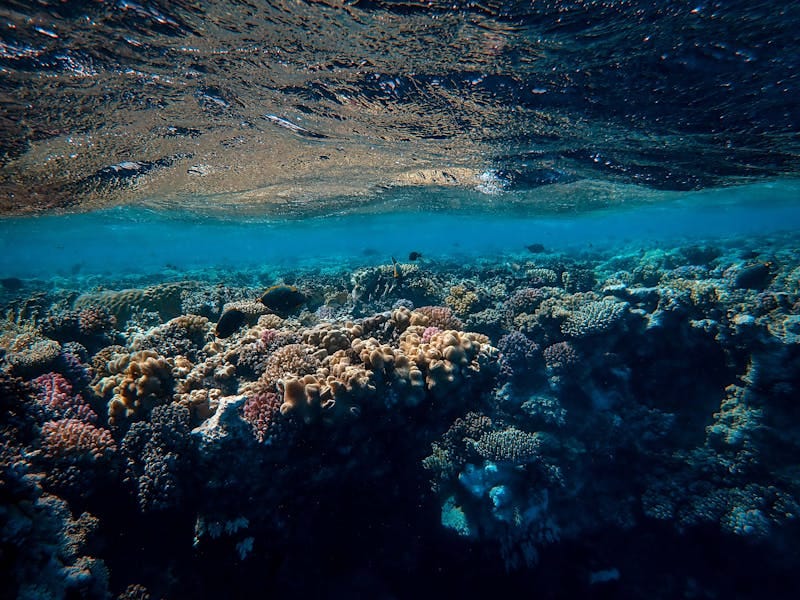
Coral reefs are among the most vibrant and dynamic ecosystems on Earth, often referred to as the "rainforests of the sea." Observing coral reef formation offers a unique window into ecological processes, showcasing intricate relationships between organisms and their environments. From an ecological psychology perspective—which emphasizes the study of perception and action in natural contexts—witnessing coral reef formation can profoundly impact human observers. It enhances our understanding of interconnectedness, fosters environmental empathy, and influences our behavior toward more sustainable interactions with the natural world.
The Ecological Significance of Coral Reef Formation
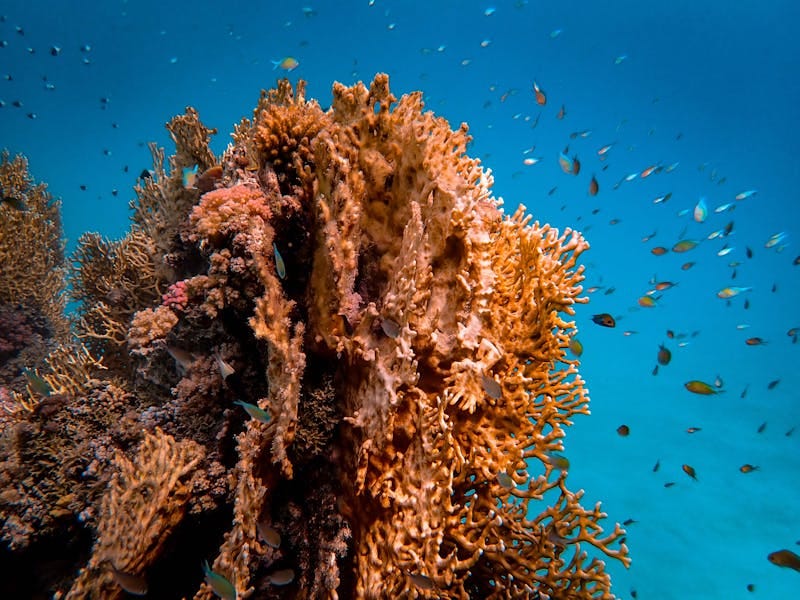
Coral reefs are built by tiny organisms called coral polyps, which secrete calcium carbonate to form hard skeletons. Over time, these structures accumulate, creating expansive reefs that provide habitat, food, and breeding grounds for a vast array of marine life. Key aspects of coral reef formation include:
Symbiotic Relationships: Coral polyps have a mutualistic relationship with zooxanthellae algae, which live within their tissues. The algae perform photosynthesis, providing nutrients to the coral, while the coral offers protection and access to sunlight.
Biodiversity Hotspots: Reefs support approximately 25% of all marine species, despite covering less than 1% of the ocean floor. This biodiversity contributes to the resilience and productivity of marine ecosystems.
Ecosystem Services: Coral reefs protect coastlines from erosion, support fishing industries, and attract tourism, providing significant economic and environmental benefits.
Understanding these processes underscores the complexity and interdependence inherent in natural systems—a central focus of ecological psychology.
Ecological Psychology and Coral Reef Observation
Ecological psychology explores how organisms perceive and act within their environments, emphasizing the reciprocal relationships between beings and their surroundings. Observing coral reef formation aligns with several core principles of this field:
Affordances in the Environment: The concept of affordances refers to the opportunities for action that the environment provides to an organism. In coral reefs:
For Marine Life: The reef affords shelter, feeding grounds, and breeding sites for fish, crustaceans, and other organisms.
For Coral Polyps: The availability of sunlight, clear water, and appropriate temperatures affords conditions necessary for growth and reproduction.
Perception-Action Coupling: Organisms continually perceive their environment and adjust their actions accordingly. For example:
Fish Navigating the Reef: Fish perceive the complex structures of the reef and navigate through them to find food or evade predators.
Coral Growth Patterns: Corals adjust their growth based on water currents, light availability, and space, showcasing an ongoing interaction with their environment.
Dynamic Systems: Coral reefs are dynamic, constantly changing in response to environmental conditions. This mirrors the ecological psychology view of environments as fluid and ever-evolving systems.
Impact on the Human Observer
Observing coral reef formation affects human perception and cognition in several significant ways:
1. Enhanced Awareness of Interconnectedness
Witnessing the myriad relationships within a coral reef fosters an appreciation for the interconnectedness of life:
Symbiotic Relationships: Understanding how coral polyps and algae rely on each other highlights the importance of cooperation and mutual support.
Food Web Complexity: Observing predator-prey interactions and nutrient cycles illustrates how each species plays a vital role in the ecosystem's health.
This awareness can shift human perspectives from viewing nature as a collection of separate entities to recognizing a web of interdependent relationships.
2. Emotional Engagement and Empathy
Coral reefs' vibrant colors and bustling activity can evoke strong emotional responses:
Awe and Wonder: The beauty and diversity of reefs can inspire feelings of awe, fostering a deep emotional connection to nature.
Empathy for Marine Life: Observing the delicate balance of reef ecosystems may cultivate empathy toward marine organisms, motivating protective behaviors.
Emotional engagement is a powerful driver of environmental concern and action.
3. Cognitive Shifts Toward Sustainability
By highlighting the consequences of environmental changes on coral reefs, such observations can influence human behavior:
Understanding Human Impact: Seeing coral bleaching or damaged reefs firsthand demonstrates the tangible effects of pollution, climate change, and destructive fishing practices.
Promoting Pro-Environmental Behavior: This awareness can encourage individuals to adopt more sustainable lifestyles, such as reducing carbon footprints or supporting conservation efforts.
Applications in Ecological Psychology
Observing coral reef formation provides practical applications within ecological psychology:
1. Educational Opportunities
Experiential Learning: Snorkeling or diving expeditions allow students and researchers to engage directly with reef environments, enhancing learning through direct experience.
Environmental Education: Incorporating reef observations into curricula can teach ecological concepts, conservation biology, and the importance of biodiversity.
2. Therapeutic and Well-Being Benefits
Nature Therapy: Interacting with natural environments like coral reefs can reduce stress, anxiety, and promote overall well-being.
Mindfulness Practices: The immersive experience of observing underwater life encourages mindfulness and presence.
3. Research and Citizen Science
Contributing to Science: Observers can participate in monitoring reef health, reporting on coral bleaching events, or tracking species diversity.
Advancing Ecological Understanding: Such data contributes to our understanding of ecological dynamics and informs conservation strategies.
Challenges and Opportunities for Action
Observing coral reefs also brings attention to environmental challenges:
1. Climate Change Impacts
Coral Bleaching: Increased sea temperatures cause corals to expel their symbiotic algae, leading to bleaching and potential death.
Ocean Acidification: Higher CO2 levels reduce water pH, affecting corals' ability to build their calcium carbonate skeletons.
Opportunity for Action: Observers can advocate for policies that address climate change, support renewable energy, and reduce greenhouse gas emissions.
2. Pollution and Overfishing
Pollutants: Runoff containing chemicals and plastics harms reef ecosystems.
Destructive Fishing Practices: Methods like blast fishing damage coral structures.
Opportunity for Action: Promoting sustainable fishing, reducing plastic use, and supporting reef-friendly products can mitigate these threats.
Fostering a Deeper Connection to Nature
Through the lens of ecological psychology, observing coral reef formation becomes more than an aesthetic experience; it is a transformative encounter that reshapes human understanding and values.
1. Cultivating Environmental Stewardship
Responsibility: Recognizing our role in impacting reefs encourages a sense of responsibility to protect these ecosystems.
Community Engagement: Shared experiences of reef observation can build community support for conservation initiatives.
2. Inspiring Creativity and Innovation
Biomimicry: Studying reef structures and functions can inspire sustainable design and engineering solutions.
Artistic Expression: The beauty of reefs often inspires art, music, and literature that celebrate nature and raise awareness.
Conclusion
Observing coral reef formation offers profound insights into the complex interplay between organisms and their environments, embodying the principles of ecological psychology. For human observers, such experiences enhance awareness of ecological interdependence, evoke emotional connections, and inspire actions that support environmental sustainability. By engaging with coral reefs, we not only enrich our understanding of the natural world but also foster a deeper connection to it—one that motivates us to protect and preserve these vital ecosystems for future generations.
Through education, personal transformation, and collective action, the perceptions gained from observing coral reef formation can lead to meaningful changes in how we interact with our environment. Embracing these opportunities allows us to become active participants in the dynamic systems that sustain life on our planet, embodying the very principles that coral reefs so beautifully illustrate.
Pexels.com.
HumaNatureConnect Activity
Observing Coral Reef Formation: Insights from Ecological Psychology
Coral reefs are among the most vibrant and dynamic ecosystems on Earth, often referred to as the "rainforests of the sea." Observing coral reef formation offers a unique window into ecological processes, showcasing intricate relationships between organisms and their environments. From an ecological psychology perspective—which emphasizes the study of perception and action in natural contexts—witnessing coral reef formation can profoundly impact human observers. It enhances our understanding of interconnectedness, fosters environmental empathy, and influences our behavior toward more sustainable interactions with the natural world.
