

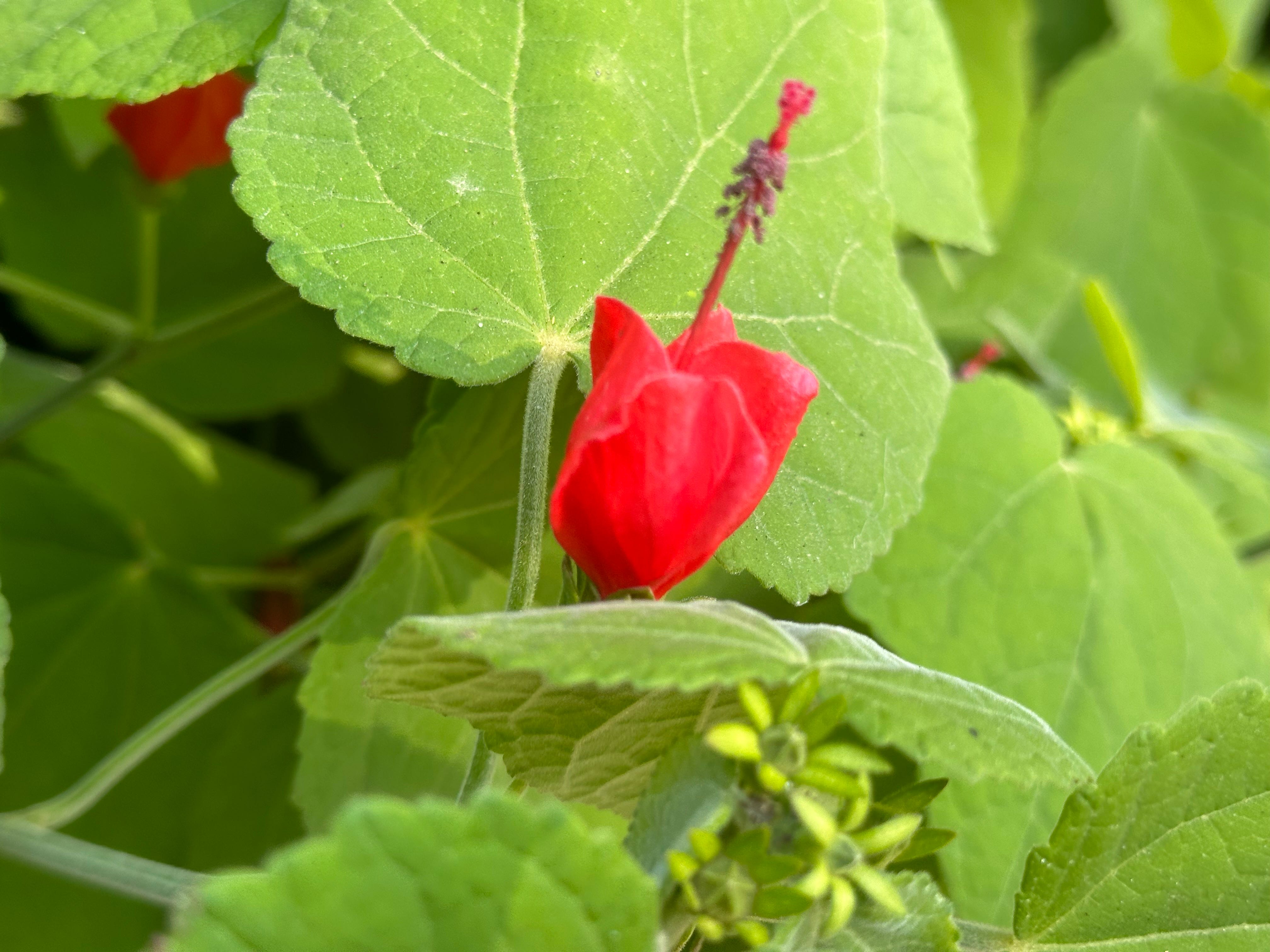
All photos by Don Pierce, unless noted otherwise.
Imagine a single tree standing tall on an open field. When storms hit, the isolated roots of the tree struggle to stay firm. Compare this to a forest, a network of interconnected trees, each supporting the other and shielding one another from the worst storms. A supportive community offers strength, collaboration and resilience to activists. Activism is a collective endeavor, not just a solo journey. It's like a forest that grows together towards a common goal. Take a trip through this metaphorical wood to learn how building and maintaining supportive relationship can transform activism, and improve wellbeing.
The Seedling: Finding Your Values and Joining Like-Minded Groups
Every forest starts with a single seed. Your values and passions will be the seeds for your activism. They need fertile ground, a community and organizations who share your values and beliefs.
Joining a group that shares your values, is like planting yourself into the right ecosystem. The pine tree will not thrive in a bog, and neither will your efforts flourish in an environment which contradicts your values. Find organizations, movements or local initiatives which reflect your vision of the world.
This step is about finding your "forest". Whether you're looking for a local gardening cooperative, a climate-justice movement or an environmental group, these are the groups that will anchor your roots.
Like sunlight, engaging with people who share your passion will encourage growth and photosynthesis.
Joining forces with others will make you stronger than you ever could be on your own.
The Canopy: Collaborating Strategically to Maximize Impact
In a forest trees use their roots to share resources and form a protective canopy that shields the understory against harsh conditions. Activism is based on the same principle. Collaboration strengthens communities and amplifies the impact.
Strategic partnerships are interwoven branches in the forest canopy. Working together, activists are able to reach new heights and provide a broader coverage for their goals.
Recognize complementary strengths. Some plants provide shade and nutrients while others attract pollinators. Individuals and groups also bring their own unique perspectives, skills, and resources. Join forces with others whose skills complement yours.
Create Synergies. A diverse coalition of activists can better tackle complex issues. Work with people from different disciplines, geographical areas, and life experiences.
Share resources. Forests flourish through mutual assistance; trees share water and nutrients through their roots. This could be done by pooling resources, co-hosting an event, or sharing platforms.
The canopy that you and your team create is not only a shield, but a sign of unity. It shows the world how powerful your collective voice can be.
The Root System: Developing Personal Connections
The roots represent the personal bonds that hold activists together. In nature, trees communicate nutrients and information via underground fungal networks. They support each other's health and survive. Developing personal connections is also important for activism. It fosters emotional resilience, and mutual support.
Share Your Experiences: Sharing your experiences with friends and family about your efforts creates a web of trust and understanding. Openly discuss your struggles and your successes. These conversations will strengthen your relationships and provide emotional nourishment.
Give and accept support. Roots are not just takers, they also give. Don't be afraid to ask for help from others and to rely on your network for encouragement or advice. Support systems are essential to preventing burnout when engaging in activism.
Nurture reciprocity. Just like a healthy forest, personal connections flourish when nurtured regularly. Check up on your friends, allies and family, share their successes and express your gratitude.
The personal connections you make will remind you that even though the work may be difficult, you are never alone.
The Biodiversity of Friendship: Building Meaningful Relationships
A healthy forest is not a monoculture, but a diverse group of species that work together harmoniously. Building meaningful relationship in activism reflects this biodiversity. It enriches your life and work with different perspectives and skills.
Diversity is good for the ecosystem. Just like a forest that benefits from trees, shrubs and fungi of different types, so does your community benefit from diverse backgrounds and perspectives. Seek out relationships that will challenge you and inspire you. This will push you to grow.
Celebrate individuality. Each tree plays a role. The tall oak offers shelter, while the willow bends gracefully with the wind. Wildflowers provide beauty and attract pollinators. Recognize the uniqueness of each person and the value that they bring to your community.
Create a shared purpose: A forest responds together when it faces a danger, such as a fire or an invasive species. A community with a shared purpose can help you overcome challenges by reminding all members of your vision.
These meaningful relationships can improve your wellbeing by bringing you joy, connection and a feeling of belonging.
The Cycles of Growth: Reflection and Renewal
Forests are dynamic eco-systems that adapt to changes and grow constantly. In the same way, to maintain a healthy community and keep it aligned with evolving goals, reflection is required.
Refrain from rushing to judgment: Relationships and communities change over time, just as forests do with the seasons. Assess your networks periodically to see if they are still supporting your activism and your personal growth.
Trim and replenish: Dead limbs must be trimmed and new saplings are planted. It's okay to move on from certain relationships or groups if they become toxic or stagnant.
Celebrate Cycles: Forests thrive in cycles of growth and decay. Recognize and celebrate the natural ebbs, flows and changes in your community. Every ending creates space for a fresh beginning.
Your activism will remain resilient and adaptable by embracing these cycles. It's like a forest which thrives after a fire.
The Forest in Action: A Community of Shared Purpose
Your supportive community will feel like a forest that is in full bloom -- vibrant, interconnected and alive with purpose. Together, you:
Shelter and shade those in need.
Share resources with each other and amplify their voices.
Stay rooted in shared values and stand strong against external threats.
This type of community not only improves your activism, but also your overall well-being. This community reminds you that even though the work is hard, there are people around you who share your dream and want to grow with you.
Conclusion: Planting Seeds of Change
It's not only about activism, but also about living a life full of purpose, connection and resilience. This kind of community is like a forest. It takes time to grow, but the strength and beauty it offers are unparalleled.
Start planting seeds. Join groups who share your values. Collaborate strategically. Deepen your connections. Nurture meaningful relationships. Your forest will grow over time. This is a powerful example of what can be accomplished when people come together and support the world they care about.
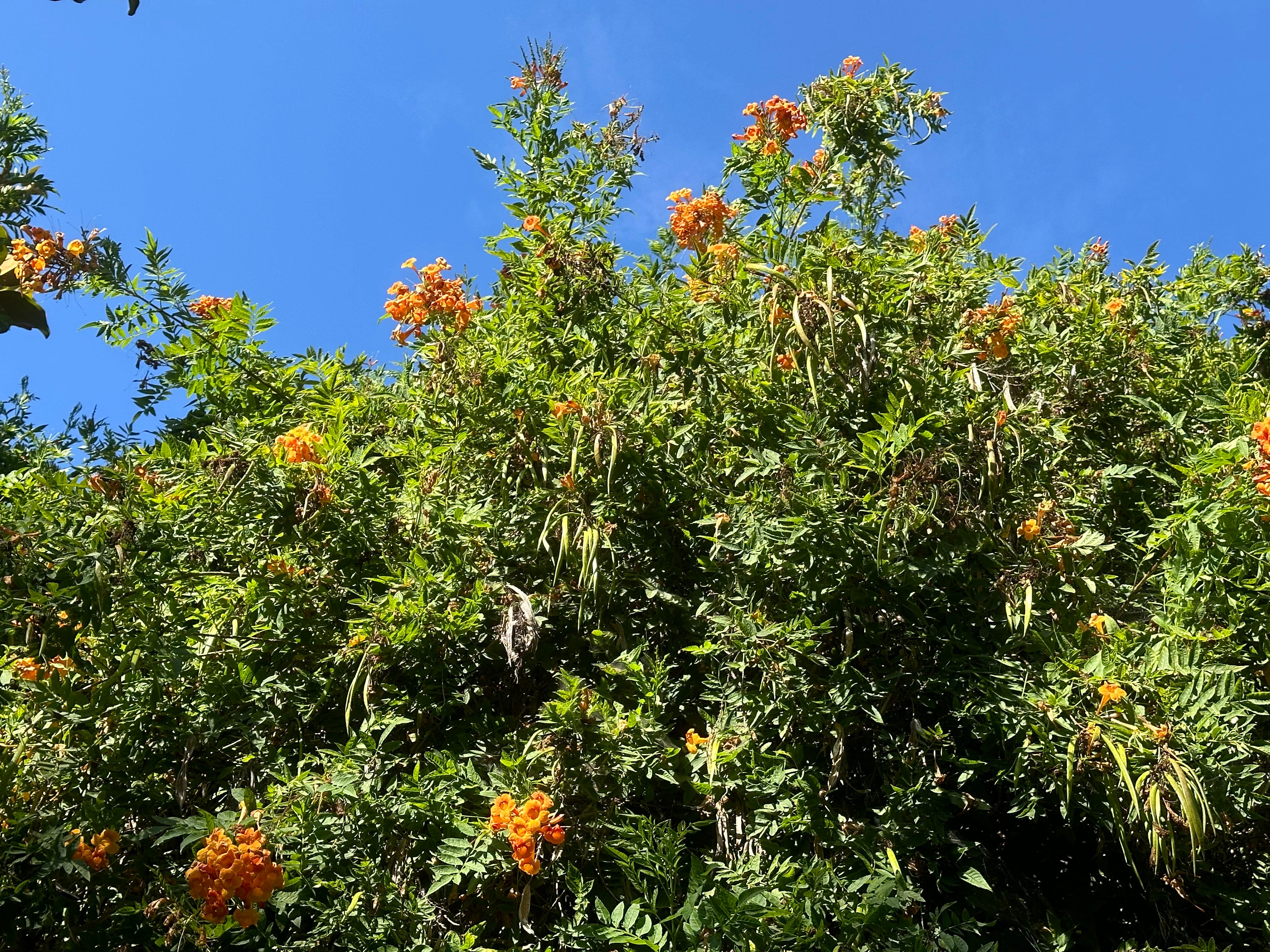
HumaNatureConnect Activity
Activity: "Potluck for Purpose" – A Recipe for Building Community in Activism
Objective: Bring people together in a fun, food-filled environment to spark connections, collaborations, and maybe even a little accidental activism.
