


Photo by Ahmed Abacha, Pexels.com.
Reading to children about decay, renewal, and fluidity is essential because these themes reflect the deep truths of life, nature, and emotional development. They gently guide children through understanding change, resilience, and the ever-shifting nature of identity and experience.
Here's why it's so important:
1. Decay Teaches Children to Embrace Endings with Grace
Children naturally struggle with loss—whether it’s a broken toy, the end of a season, or the death of a pet. Stories about decay give them a way to understand that endings are not failures, but part of a living system.
They learn that letting go is not scary—it can be peaceful and meaningful.
Decay opens space for rest, reflection, and new beginnings.
Nature models this constantly—leaves fall, compost becomes soil, old gives way to new.
“A leaf falling is not a tragedy—it’s a preparation.”
Emotional Benefit: Builds comfort with change and loss, preparing kids for future transitions.
2. Renewal Cultivates Hope and Creative Possibility
After decay comes renewal—a message of healing, rebirth, and transformation. These stories help children understand that life continues, and they can be part of making things grow again.
Teaches them that broken things can be mended, and bad days don’t last forever.
Encourages them to see the potential in starting over or trying again.
Models how care, love, and time can bring something back to life.
“After winter, the garden always blooms again.”
Emotional Benefit: Fosters resilience, optimism, and creative problem-solving.
3. Fluidity Reflects the Nature of Emotions, Identity, and Relationships
Life is not fixed. Fluidity teaches children that it’s okay for things to shift—feelings, friendships, even who they are becoming. It helps them embrace change as natural and healthy.
Reinforces that emotions come and go—anger, sadness, joy all flow.
Supports self-discovery, especially for children exploring identity and difference.
Helps them adapt to change with less fear and more flexibility.
“Like water, you can bend, stretch, ripple, and still be whole.”
Emotional Benefit: Builds self-acceptance, adaptability, and emotional literacy.
HumaNatureConnect Activity:
Here is a list of five pertinent books:
Here's a carefully curated list of children’s books that explore decay, renewal, and fluidity, each with a brief explanation of how they touch on these vital, interconnected life themes:

1. "Goodbye Summer, Hello Autumn" by Kenard Pak
Themes: Decay (leaves falling, animals preparing for winter)
Renewal (autumn’s beauty and preparation for spring)
Fluidity (seasonal transitions, gentle movement through change)
Why it fits:
This poetic book follows a girl greeting the signs of seasonal change. The natural shifts from summer to fall gently show how things fade and prepare for renewal, with illustrations that flow seamlessly from one scene to the next—perfectly embodying fluidity and the comforting rhythm of transformation.
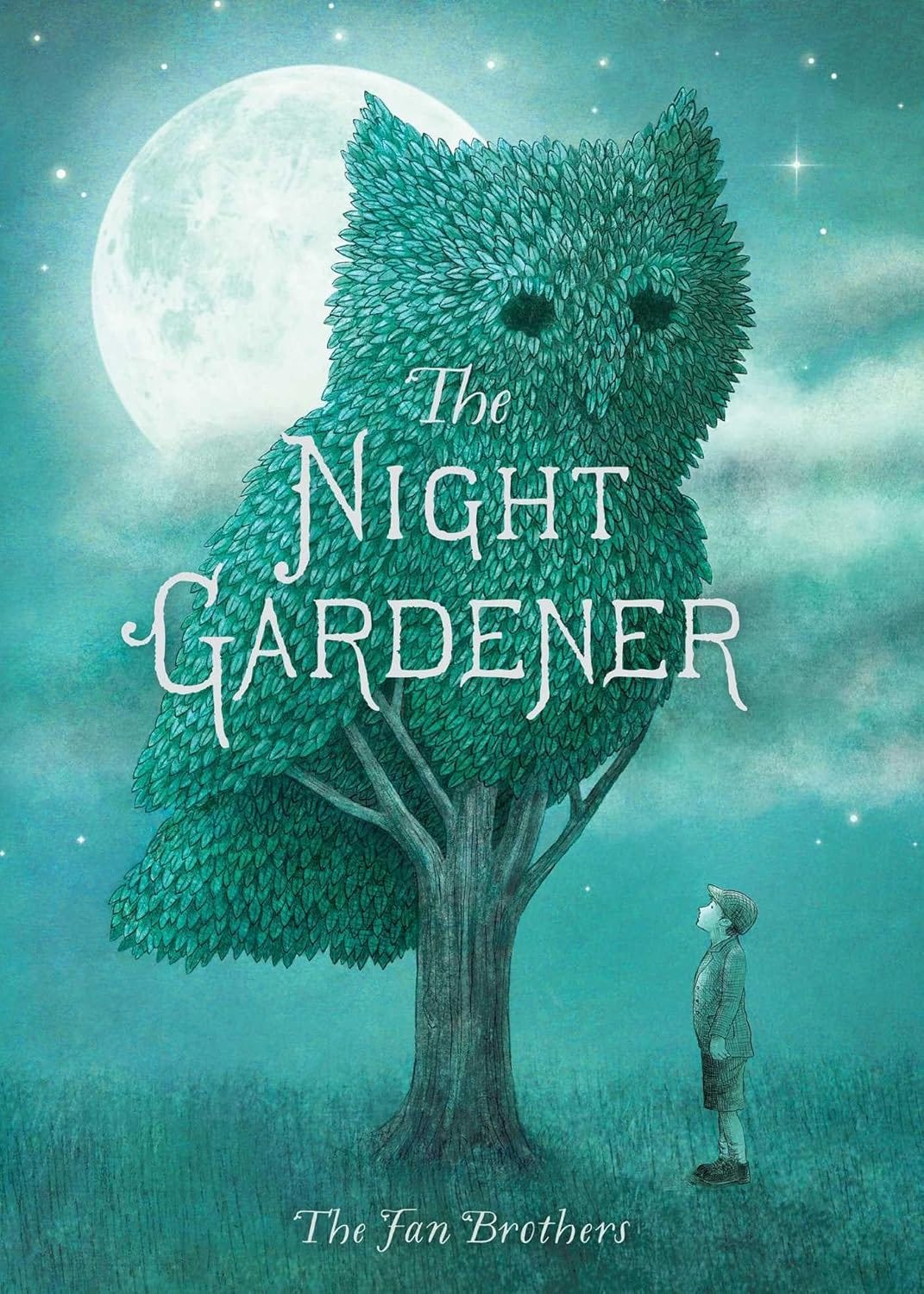
2. "The Night Gardener" by Terry and Eric Fan
Themes: Decay (loneliness, a dull and sleepy town)
Renewal (transformation through art, nature, and community)
Fluidity (shifting from isolation to connection)
Why it fits:
A mysterious gardener brings life to a gray town by trimming trees into beautiful animal shapes. The boy who discovers this magic experiences personal renewal, and the town itself becomes a place of color and joy again. The illustrations feel dreamlike, embodying the fluidity of emotions and transformation.
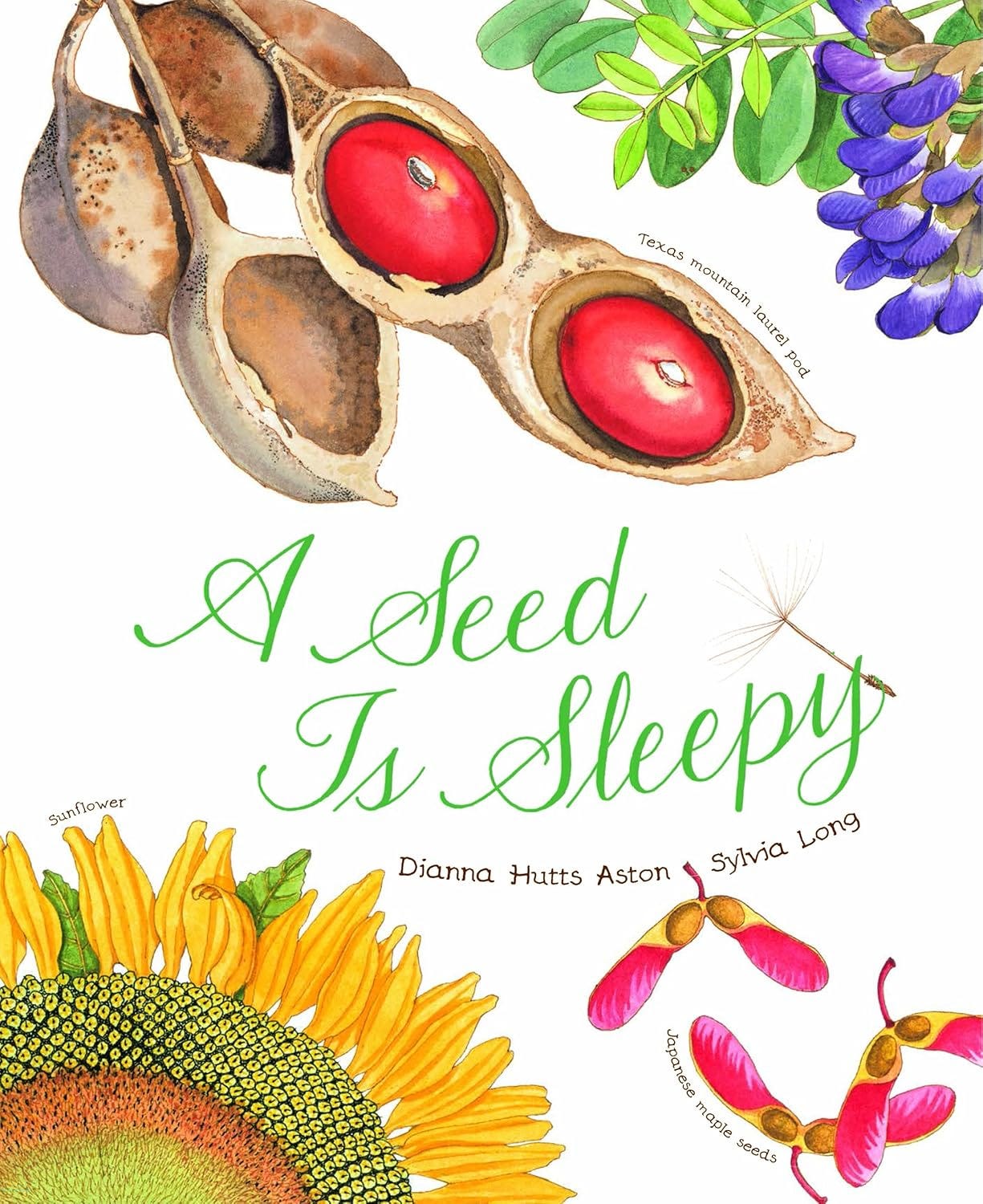
3. "A Seed is Sleepy" by Dianna Hutts Aston & Sylvia Long
Themes: Decay (seeds lying dormant, husks breaking down)
Renewal (sprouting, growth, rebirth)
Fluidity (the transformation from rest to life)
Why it fits:
This nonfiction picture book explores the quiet power of seeds. It honors the stillness (fluidity of time), the breaking down of outer layers (decay), and the remarkable transformations (renewal) that lead to new plants. It nurtures wonder in both science and spirit.

4. "Circle" by Jeannie Baker
Themes: Decay (changing landscapes, ecosystems under pressure)
Renewal (migratory cycles, ecological restoration)
Fluidity (flight paths, tides, seasons)
Why it fits:
Following the journey of the bar-tailed godwit’s migration, this book beautifully explores ecological fluidity—how water, wind, and animal patterns shift across time and place. It subtly shows the threats of decay from human activity, but also the resilience and renewal of life if we protect the cycles.
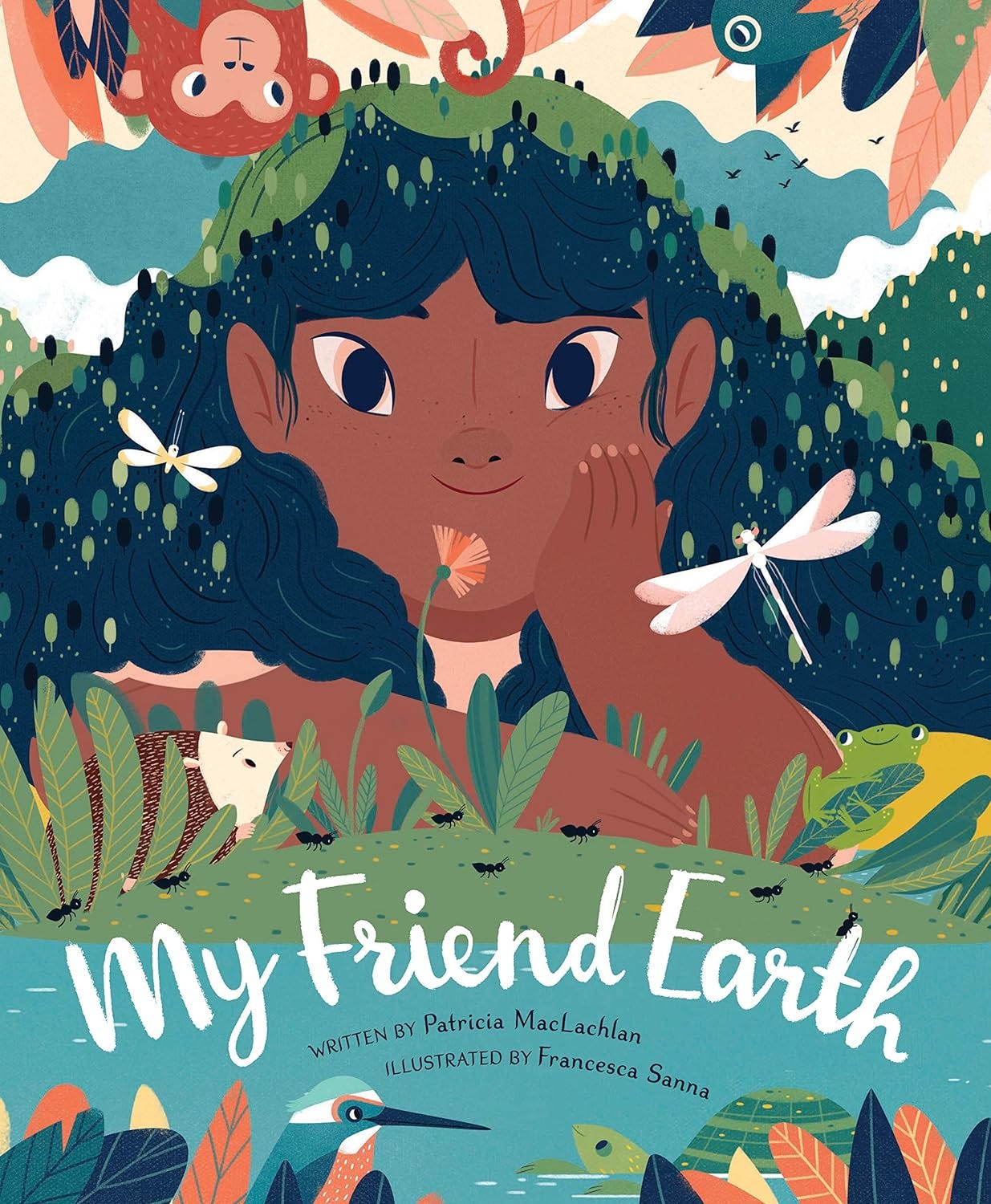
5. "My Friend Earth" by Patricia MacLachlan & Francesca Sanna
Themes: Decay (storms, snow, winter rest)
Renewal (sunshine, seeds, springtime growth)
Fluidity (Earth as a living, breathing being)
Why it fits:
Earth is portrayed as a nurturing, ever-changing friend. Her actions—raining, melting, blooming—capture the fluid essence of the planet. Through bold colors and cutouts, the book shows seasonal cycles as acts of gentle destruction and joyful rebirth, reminding kids that change is life’s language.