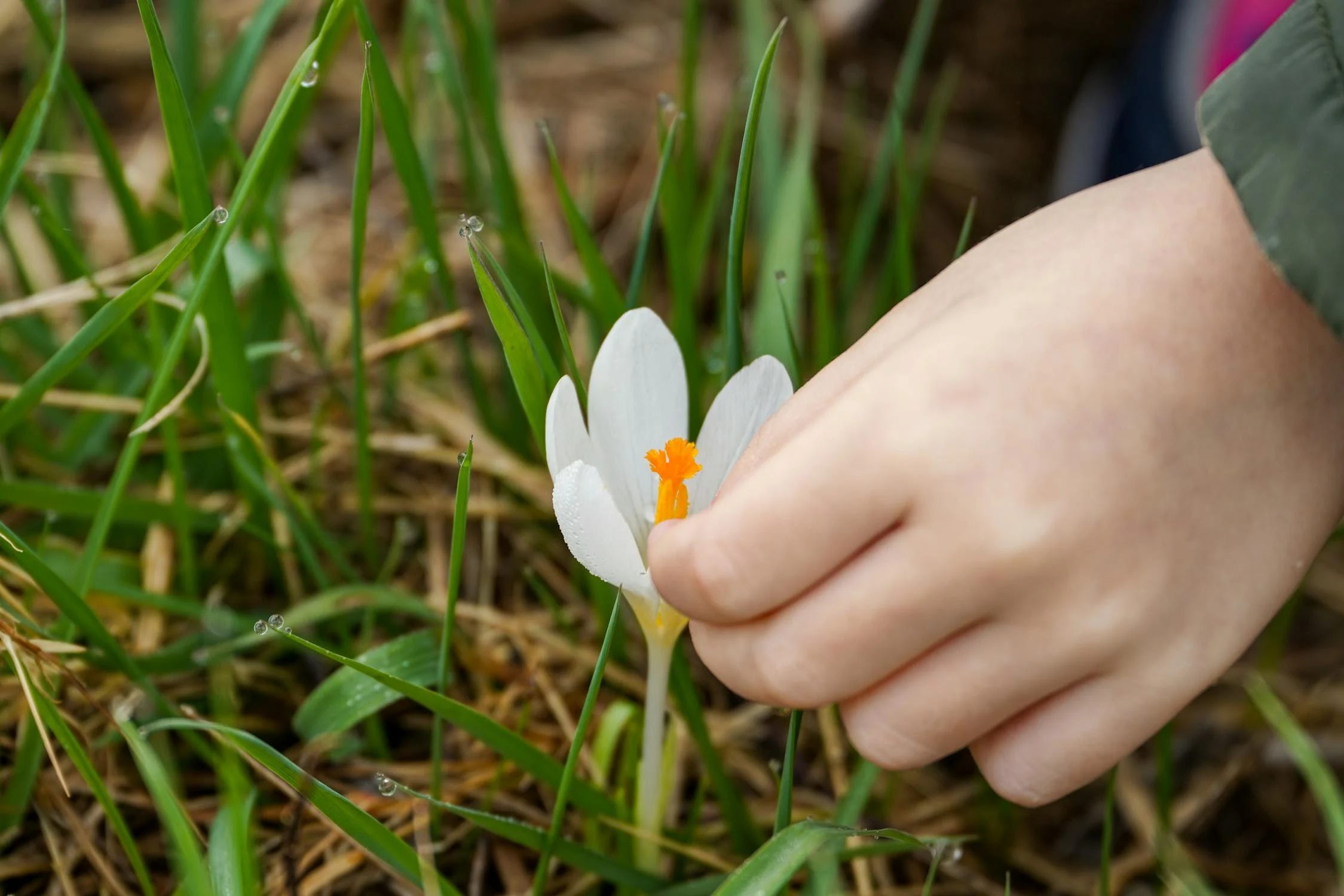
Photo by Vladimir Srajber, Pexels.com.
Reading children’s books on decay, renewal, and attraction is important because these themes mirror the natural world and human experience, offering children emotional insight, ecological wisdom, and a foundation for healthy relationships.
Here’s why they matter:
1. Understanding Decay: Letting Go and Making Space
Decay in children’s stories introduces the idea that things break down, fall apart, or end—not as a tragedy, but as a natural and necessary part of life.
It teaches that loss is part of the life cycle—whether it’s a leaf falling, a friendship changing, or a beloved object breaking.
Children begin to understand that decay creates space for something new to grow.
It helps normalize feelings of sadness or confusion around endings, while cultivating trust in the process.
Emotional impact: Builds resilience, acceptance, and an ability to face change with grace.
2. Celebrating Renewal: The Hope That Follows Loss
Renewal shows that after something ends or fades, new life, love, or joy can arise. It’s essential for teaching optimism, creativity, and ecological responsibility.
Helps kids grasp the idea of transformation: from seeds to sprouts, from winter to spring, from mistakes to learning.
Connects deeply with environmental renewal—how nature recycles itself and thrives when cared for.
Encourages growth mindset: "Even if something didn’t work, I can try again."
Emotional impact: Cultivates hope, curiosity, and inner strength.
3. Exploring Attraction: What Draws Us In and Why It Matters
Attraction helps children understand connection—what draws them to people, places, creatures, and causes—and why those bonds matter.
Develops awareness of natural curiosity and affection: why we love certain animals, people, or ideas.
Promotes empathy and appreciation for diversity and uniqueness.
Encourages meaningful relationships—within families, communities, and ecosystems.
Emotional impact: Deepens connection, social awareness, and care for others.
4. Integrating All Three: A Model for Living and Growing
When children learn about decay, renewal, and attraction together, they begin to see the bigger picture:
That endings are natural (decay),
That life continues (renewal),
And that we are drawn to what we love and value (attraction).
This trio forms a powerful foundation for living with heart, purpose, and ecological harmony.
Lifelong benefit: These books lay the groundwork for understanding relationships, environmental cycles, grief and healing, and passionate engagement with the world.
HumaNatureConnectActivity
Here are five children’s books that weave together the themes of decay, renewal, and attraction—offering powerful lessons on nature, life cycles, and what it means to love and care for the world:
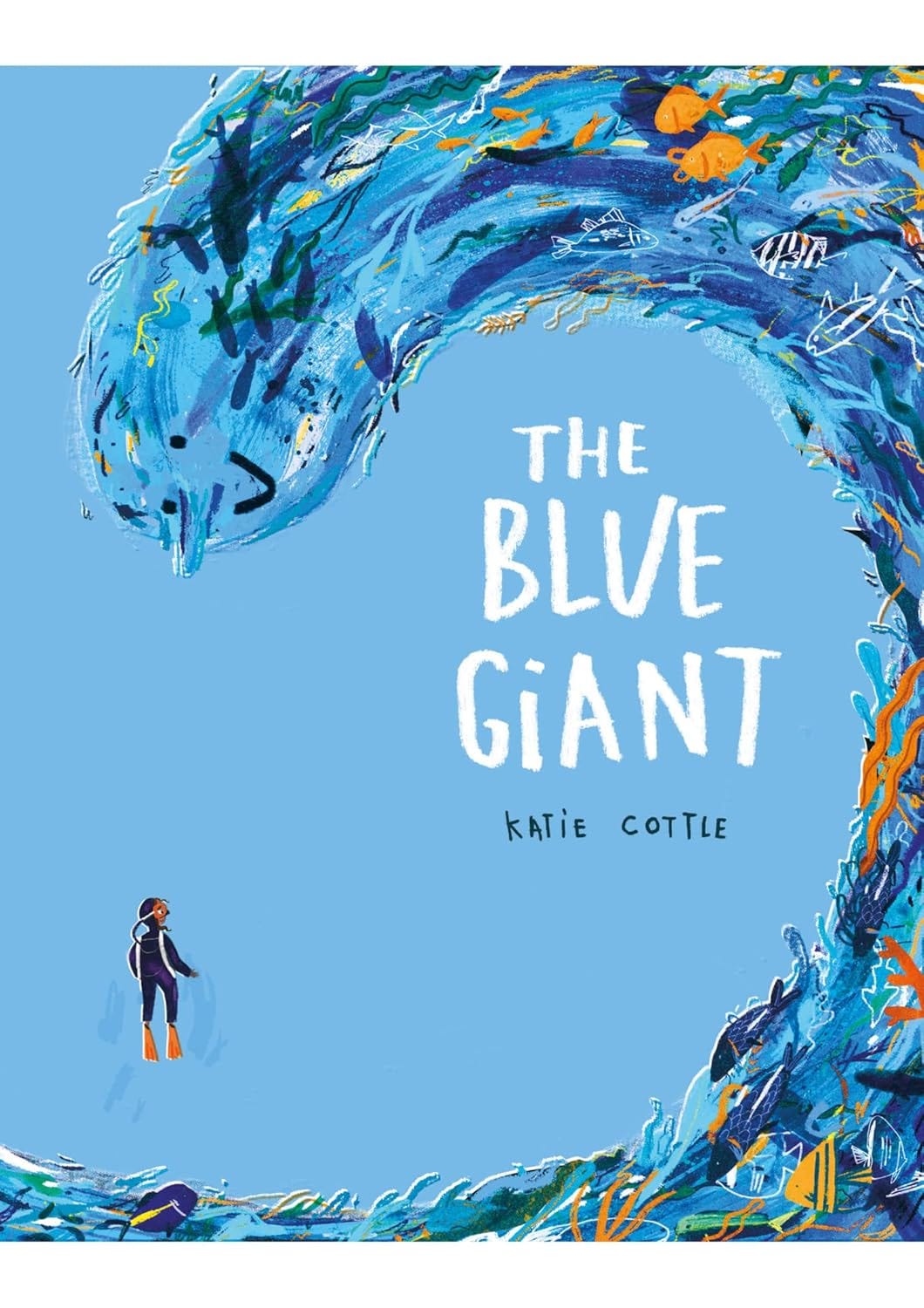
1. "The Blue Giant" by Katie Cottle
Themes: Attraction (to the ocean), Decay (pollution and harm), Renewal (through cleanup and care)
Why it works:
In this vibrant story, Meera and her mom are visited by a giant made of water—the ocean itself—asking for help. The attraction to the sea is clear: it's powerful, beautiful, and full of life. But it’s also in danger from pollution (decay). The girl and her mom respond with action, cleaning up the beach and inspiring others—an act of renewal that shows how love and responsibility go hand in hand.
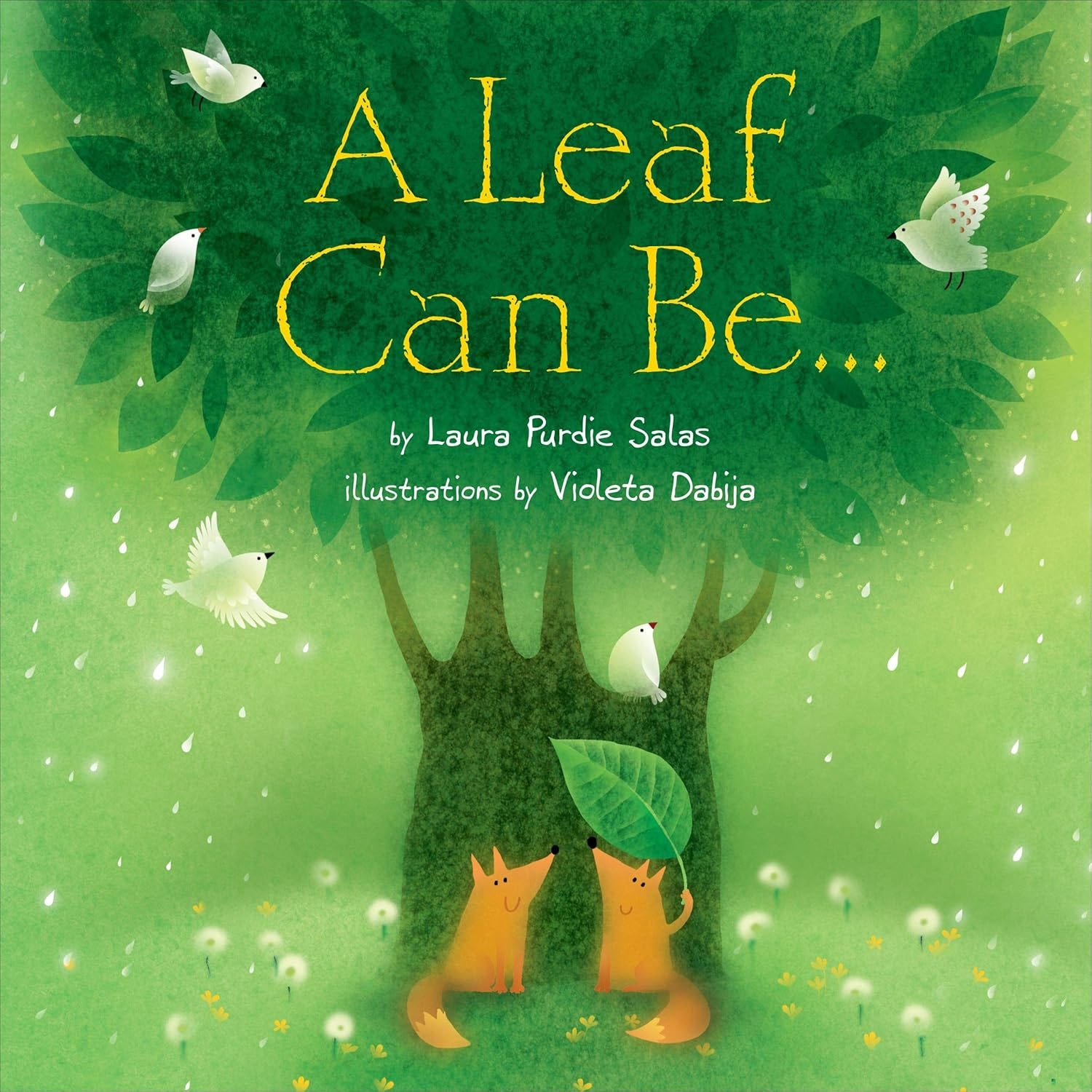
2. "A Leaf Can Be..." by Laura Purdie Salas
Themes: Attraction (to nature’s wonder), Decay (as leaves fall or decompose), Renewal (of life through seasonal cycles)
Why it works:
This poetic book explores all the amazing things a leaf can be: "shade spiller, mouth filler, tree topper, rain stopper." It invites attraction through awe and curiosity. It also subtly honors decay (as leaves are composted or feed other life) and the continual renewal of the natural world through change.
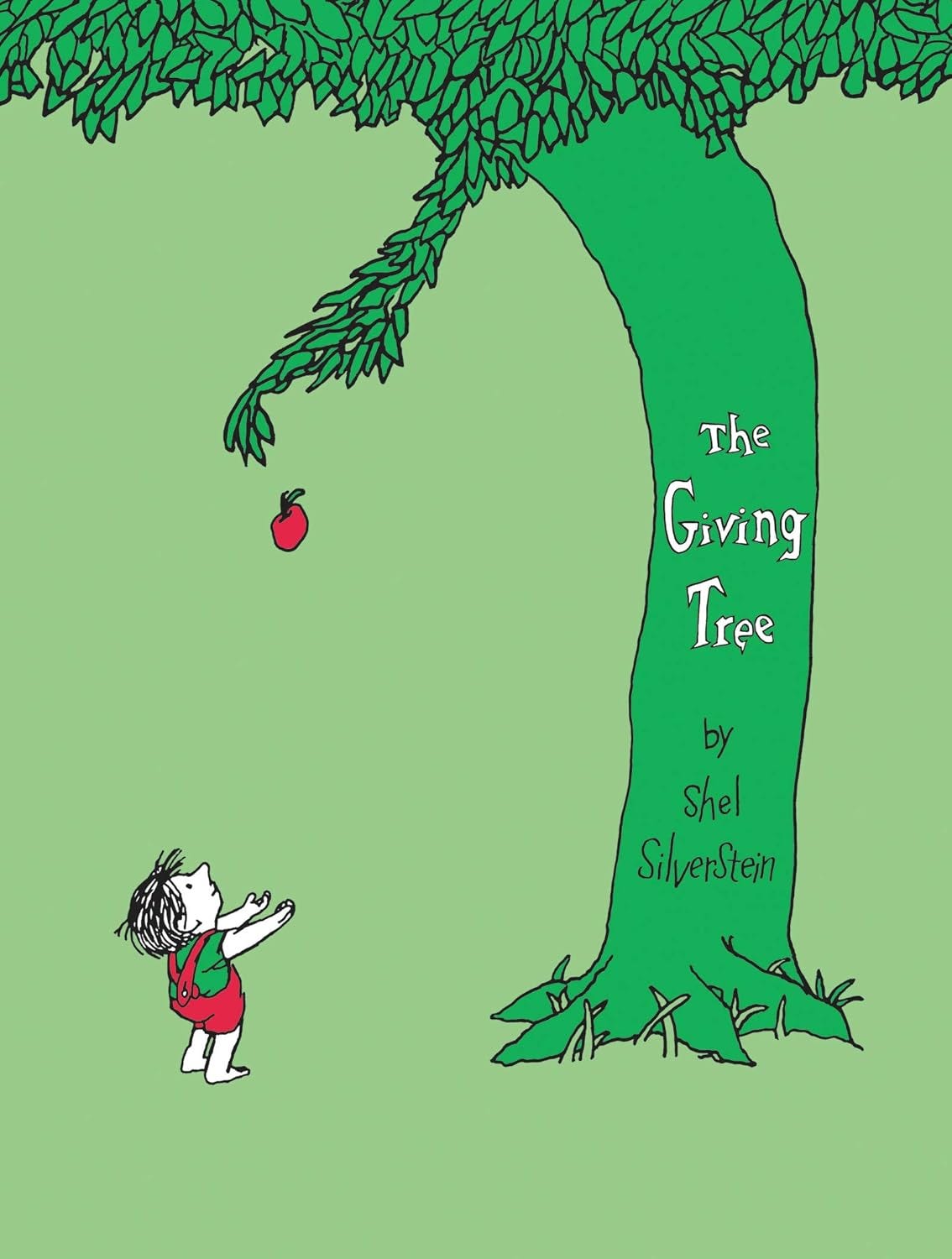
3. "The Giving Tree" by Shel Silverstein
Themes: Attraction (between the boy and the tree), Decay (as the tree gives itself away), Renewal (through quiet, enduring love and presence)
Why it works:
While often seen as bittersweet, this classic deeply illustrates how we’re drawn to what gives us life (attraction), how time changes relationships (decay), and how something lasting and renewing can remain even in simplicity (renewalthrough selfless love).
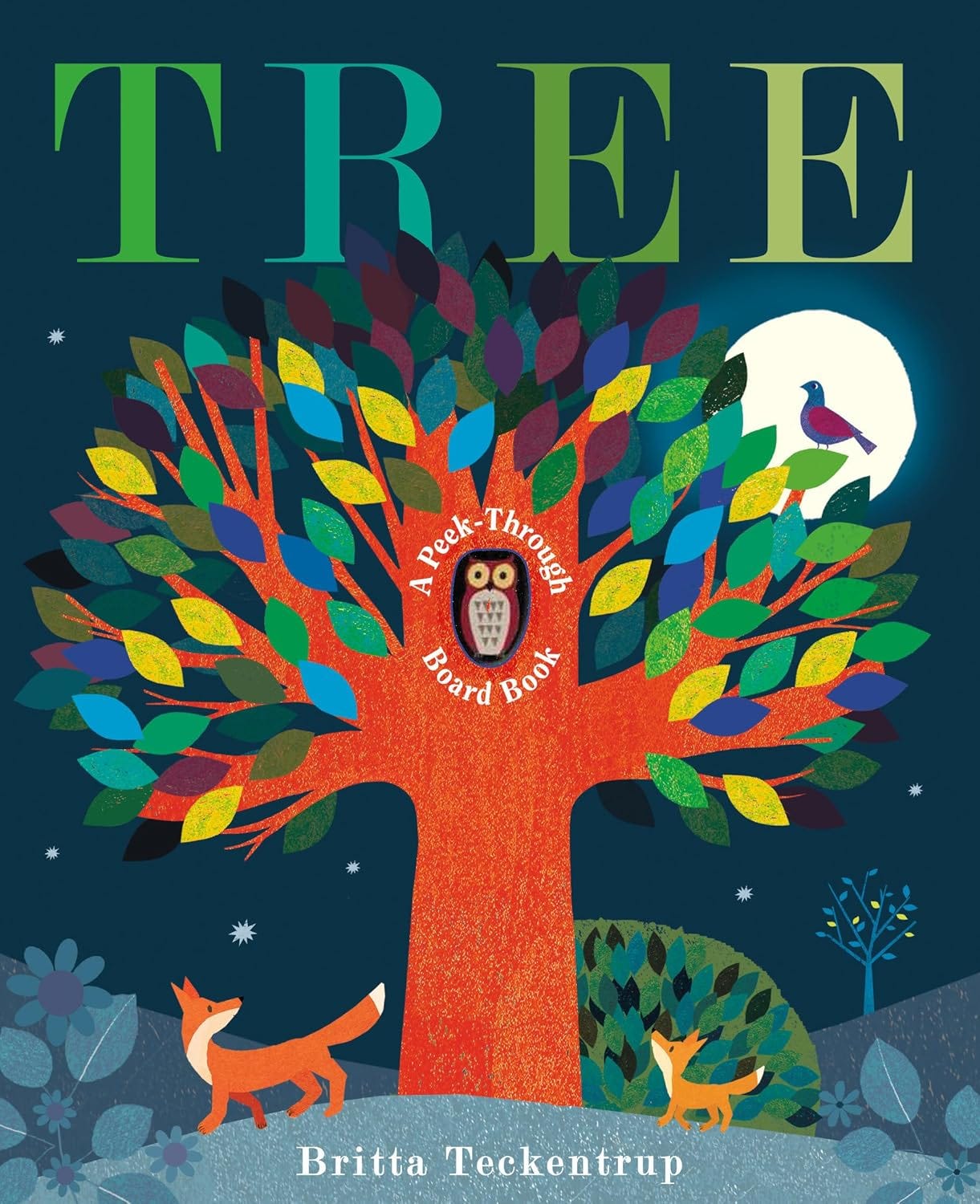
4. "Tree: A Peek-Through Picture Book" by Britta Teckentrup
Themes: Attraction (to the changing seasons and wildlife), Decay (in autumn and winter), Renewal (in spring)
Why it works:
This interactive book follows one tree through all four seasons. Children are attracted to the peek-through holes showing owls, blossoms, and snowflakes. It shows how decay in the fall and winter makes way for renewal in spring—teaching that all parts of the cycle are beautiful and necessary.

5. "The Rabbits" by John Marsden and Shaun Tan
Themes: Attraction (to a new land), Decay (from colonization and environmental destruction), Renewal (a call for restoration)
Why it works:
This haunting allegory, illustrated by Shaun Tan, tells the story of rabbits (representing colonizers) arriving in a new land. At first, there’s fascination (attraction), but soon the environment and native creatures suffer (decay). The book ends with a question of renewal: “Who will fix it?” It invites children into critical thinking and care for both people and place.
Essential Readings:
• […]
• […]

Recommended Readings:
• […]
• […]
• […]
• […]

For additional readings, visit Heartwood Path Beat.