

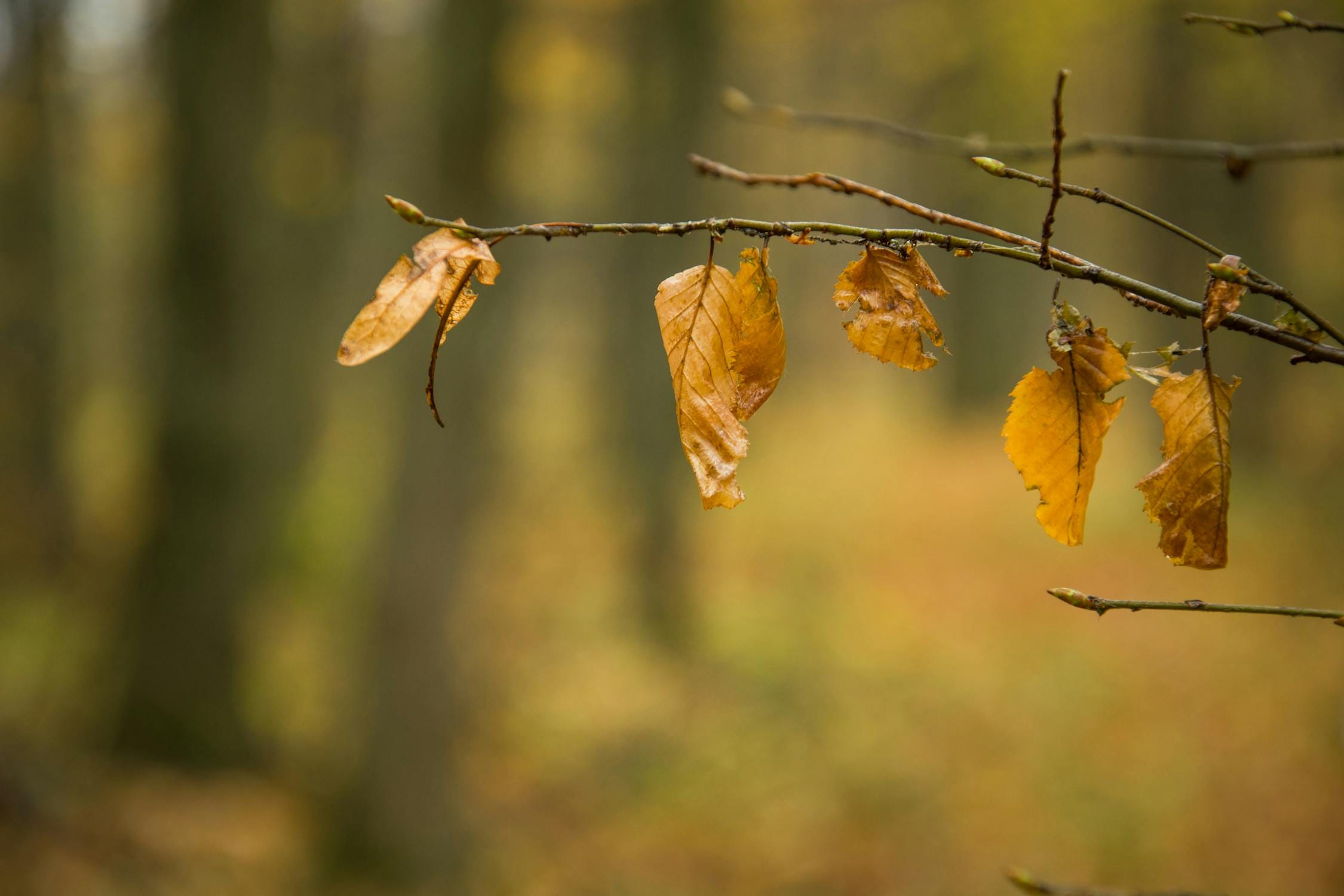
Photo by Dariusz Banaszuk, Pixels.com
Decay gets a bad reputation, mostly because humans prefer things that don’t smell like compost. But in nature, decay is just the universe doing housekeeping, clearing out what’s outdated so something wiser can grow. Renewal is the part where life winks at us and says, “See? I told you I had a plan.”
To understand regeneration, we need to stop treating decay like a personal insult and start seeing it as nature’s version of a strategic reset.
Doing so meets our purposes. It means we’re learning to trust the messy middle instead of panicking when things fall apart. It means we’re aligning ourselves with the same rhythms that keep forests thriving and compost piles mysteriously warm.
The result is more resilience, more clarity, and a much healthier relationship with the parts of life that look like endings but are actually beginnings in disguise.
Here’s why it matters and how the process unfolds:
Why It’s Important
Understanding Life Cycles:
Everything in nature follows a cycle—birth, growth, decay, and renewal. Recognizing decay not as an end, but as a beginning, helps us appreciate the full arc of life. This awareness deepens our ecological intelligence, allowing us to live more harmoniously with natural systems.
Personal Growth & Resilience:
In our lives, decay shows up as loss, confusion, burnout, or breakdown. Learning how renewal follows decay teaches us to trust the process, even when things fall apart. It allows us to embrace change rather than resist it, fostering emotional resilience and inner strength.
Environmental Regeneration:
Regenerative practices in farming, forest stewardship, or conservation rely on cycles of decay (like composting or natural dieback) to rebuild soil, seed biodiversity, and replenish ecosystems. Understanding these processes helps us design more sustainable and regenerative human systems.
Psychological & Cultural Relevance:
Culturally, many stories and spiritual traditions revolve around death and rebirth. Studying decay and renewal gives us language and models to interpret transformation in meaningful ways.
How Decay and Renewal Lead to Regeneration
Breakdown of the Old (Decay):
Organic matter decomposes—leaves, fallen trees, dead animals—and releases nutrients back into the soil. Emotionally, this can be the dissolution of outdated beliefs, habits, or systems that no longer serve.
Integration and Composting:
The decayed materials don’t disappear—they become part of a new matrix. Fungi, microbes, and insects recycle them into nutrients. Likewise, personal struggles can be “composted” into wisdom, compassion, and purpose.
New Growth (Renewal):
Out of the rich soil, new life emerges—plants sprout, forests regrow, life returns with greater diversity. Spiritually or socially, this looks like the birth of new ideas, relationships, or movements from the fertile ground of reflection and loss.
Regeneration as a Whole-System Outcome:
Regeneration isn’t just repair—it’s the emergence of something stronger, more adaptive, and more integrated than before. In nature, this means restored landscapes. In people, it means deeper vitality, clarity, and connection.
Metaphor to Remember:
“Compost is the proof that rot isn’t waste—it’s the foundation of future growth.”
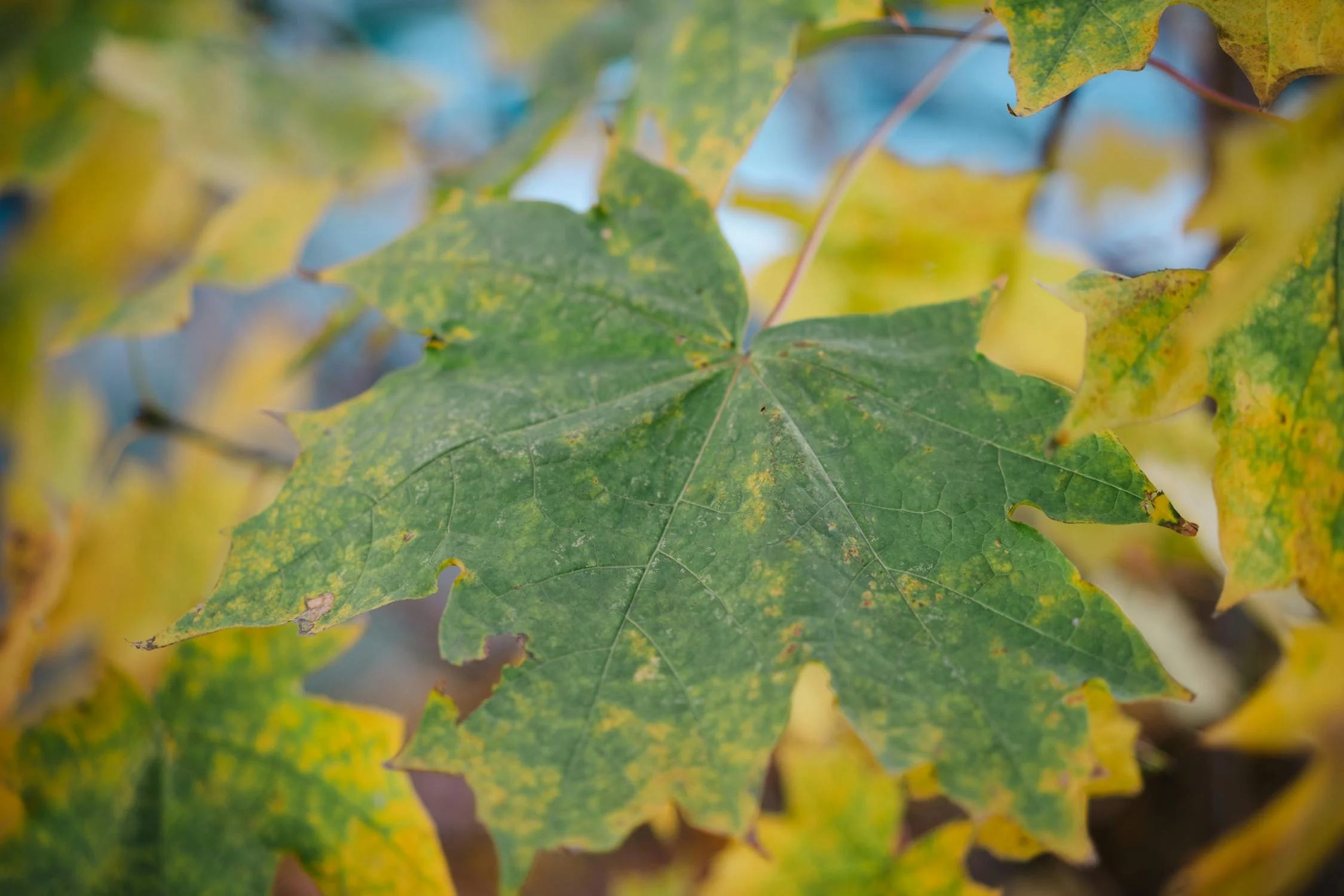
Photo by Markus Winkler, Pexels.com.
HumaNatureConnect Activity
Here's a nature-based activity designed to help children or adults experience how decay and renewal lead to regeneration—in a hands-on, sensory-rich, and reflective way:
Activity: “Circle of Becoming: Exploring Decay, Renewal, and Regeneration”
Objective:
To observe, interact with, and reflect on how natural decay contributes to the renewal of life, helping participants see death and decomposition as essential to nature’s regenerative cycles.
Ideal Setting:
A forest, park, garden, or any natural area where leaves, fungi, fallen trees, or compost are present.
Step 1: The Quiet Search
“Find What’s Falling Apart”
Invite participants to slowly wander and search for something that is decaying: a rotting log, a pile of leaves, a mushroom-covered stump, or composting material.
Ask them to observe:
What does it smell like?
What lives here now? (Insects, fungi, moss, etc.)
What colors and textures are present?
Optional: Bring a magnifying glass or take close-up photos.
Step 2: Gentle Exploration
“Who Benefits from Decay?”
Gently lift a piece of rotting wood or sift through a leaf pile. Look closely for:
Invertebrates (worms, beetles, centipedes)
Fungal mycelium or sprouting seedlings
Moisture and rich soil forming beneath
Explain how these creatures and materials help break down what’s dying, turning it into nourishment for new life.
Step 3: The Renewal Lens
“Who’s Growing from This?”
Find plants growing near or from the decaying matter—a sapling near a fallen tree, mushrooms on a stump, moss on a rock. Ask:
What might not be here without the decay?
How does this old thing give rise to something new?
Step 4: Reflection Ritual
💬 “From Rot to Radiance” (Creative Sharing)
Have participants sit quietly and create something that expresses this cycle:
A nature mandala made of found items
A short poem or story (“From the Log Came Life”)
A drawing or labeled diagram of the decay–renewal cycle
Or simply a circle of shared reflections: “I used to think decay was… now I see it as…”
Optional Extension:
Start a micro-compost project
At home or school, begin composting food scraps and garden waste. Create a “compost journal” where participants track what goes in, what it looks like after weeks, and how it eventually feeds new plants.

Photo by Aer Z, Pixels.com.
Nocturnal Pilgrimage
Why This Matters:
This activity helps participants understand that regeneration isn’t just a feel-good word—it’s a process rooted in the messy, beautiful work of transformation. By making peace with decay, we open our hearts to cycles of renewal, and we learn how life sustains itself by letting go.
Essential Readings:
• […]
• […]

Recommended Readings:
• […]
• […]
• […]
• […]

For additional readings, visit Heartwood Path Beat.