

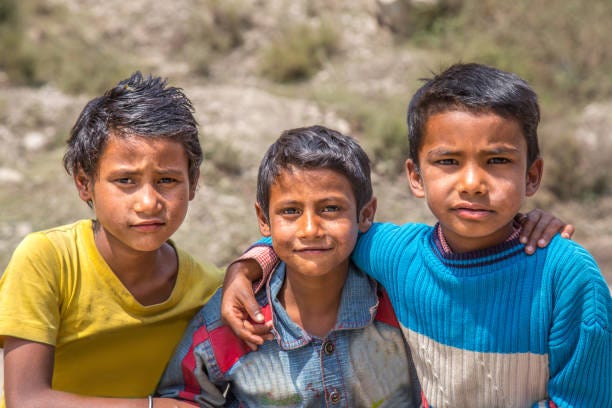
Photo by enmesh neg, Pexels.com.
Reading to children about decay, renewal, and uniqueness is deeply important—it nurtures their understanding of the natural world, emotional growth, and their own place in life. These themes are not abstract to children—they live them every day in small and big ways.
Let’s explore why these matter so much:
1. Decay Helps Children Understand Endings as Natural, Not Scary
Children encounter forms of loss—dead bugs, a wilting flower, the end of a school year—but often without the language or framework to make sense of it.
Why it’s important:
It teaches that letting go is a part of life.
Helps reduce fear of death, aging, or breaking things.
Connects them to cycles in nature—compost, leaf fall, animal life.
Builds emotional resilience when facing personal transitions (like moving or changes in family).
“When a pumpkin rots, it feeds next year’s seeds.”
2. Renewal Cultivates Hope, Curiosity, and the Belief in Growth
Reading stories where something broken is mended, something lost is found, or something sad becomes meaningful shows children that change is also creative.
Why it’s important:
Encourages optimism and faith in second chances.
Helps them recover from disappointments or mistakes.
Models that healing and transformation are real.
Reinforces that nature (and people) often grow stronger after struggle.
“What rests in the soil doesn’t end—it begins again.”
3. Uniqueness Builds Self-Worth and Empathy for Others
Children often wonder: Am I okay just the way I am?
Stories that celebrate uniqueness—quirky animals, different flowers, odd friendships—let them know the answer is yes.
Why it’s important:
Reinforces that being different is a strength, not a flaw.
Supports identity exploration and self-acceptance.
Encourages kindness toward others who don’t “fit in.”
Fosters a sense of personal meaning within the larger web of life.
“No one else sees the world quite like you—and that’s a gift.”
4. "Lifetimes: The Beautiful Way to Explain Death to Children" by Bryan Mellonie & Robert Ingpen
Themes:
Decay: Gently acknowledges that all living things die.
Renewal: Emphasizes that death is part of the natural cycle of life.
Uniqueness: Honors that every creature lives its own special “lifetime.”
Why it fits:
This classic book provides a calm, poetic approach to talking about death and impermanence. It helps children understand that endings are natural and that every being—no matter how small—has a unique and meaningful time on Earth. It’s affirming, honest, and comforting without being sentimental.
5. "The Tree in Me" by Corinna Luyken
Themes:
Decay: Hints at inner struggles, quiet sadness, or quietness as part of life.
Renewal: Celebrates strength, healing, and creativity as natural parts of self-expression.
Uniqueness: Each child is like a tree—rooted, growing, beautifully individual.
Why it fits:
Luyken uses lyrical text and flowing illustrations to connect a child’s inner life to the qualities of a tree—resilience, flexibility, strength, and individuality. It celebrates how each child carries life and growth within them, even in moments of stillness or change.
Why These Books Matter:
When children understand decay, they don’t fear endings.
When they experience renewal, they begin to trust the future.
And when they value uniqueness, they know their place in the world matters.
Together, these themes offer a life-affirming worldview:
"Everything changes, everything can begin again, and you belong exactly as you are."
Essential Readings:
• […]
• […]

Recommended Readings:
• […]
• […]
• […]
• […]

For additional readings, visit Heartwood Path Beat.
