

Photos by Don Pierce
Go on a guided tour of your own experiences: waking states, dreaming states, meditative states, altered states and peak experience states, knowing that the experience of these so-called states are less permanent than the experience of the four main stages: ego-centric, ethno-centric, world-centric, and, integral.
Lines of Development are ways to chart your multiple intelligences, such as cognitive intelligence, emotional intelligence, musical intelligences, bodily intelligences, and so forth.
Some of the most interesting varieties have to do with the logic of the genders. With the integral stage of development one includes both masculine and feminine varieties.
It is important to think about heady issues, but not good to get bogged down in incessant mental rumination, especially when such mental toil leads to excessive thinking about causes, consequences, problems, personal significance, and judgmental comparisons.
Visualize your life as a tiny dot on the earth. Visualize how everyone you know will be gone one hundred fifty years from now. Visualize the magnitude of your tiny problem when compared to all of the other problems on earth at this time.
Note how the following definitions of states of consciousness, stages of consciousness, lines of development, and varieties, useful for the text that follows, seem to also be like a guided tour of your own experience:
First. States of Consciousness include: waking, dreaming, and deep sleep, meditative states, altered states (induced by drugs, for example), and peak experiences (which occur during lovemaking, experiencing Nature, and listening to fine music).
Second. Stages of Consciousness are more permanent than states of consciousness. For our purposes, there are four main stages:
pre-conventional (ego-centric) wherein the person’s awareness is self-absorbed (the key word in this stage is “me”);
conventional (ethno-centric) wherein the person’s awareness is focused on that person’s particular group, clan, family or nation (the key word is “us”);
post-conventional (world-centric) wherein the person’s awareness and identity expands to include all people, regardless of race, color, nationality, gender, or creed (the main words are “us all”), and
the integral stage wherein the person’s awareness and identity expands to include everything while not erasing any of the aspects from the other stages (the main word is “all”).
These stages build upon themselves (beginning with ego-centric and followed by ethno-centric, then world-centric, and then integral). Each stage cannot be skipped. One cannot have the psychological states from a higher stage of development until one has achieved, through practice and time, the correlating higher stage of consciousness. Those intermittent higher states that prematurely attempt to arise tend to slip rapidly away if they are not matched to the corresponding stage of consciousness. States are temporary and free. Stages are lasting and earned.
Third. Lines of Development are ways to chart your multiple intelligences, such as cognitive intelligence, emotional intelligence, musical intelligences, bodily intelligences, and so forth. Nobody, despite their claims, is excellent equally in all lines of development.
Fourth. Varieties can occur at any stage of consciousness. Some of the most interesting varieties have to do with the logic of the genders. In the subsequent Heartwood Path for Couples book (Eros: Connecting Intimately For Transformation) we will discuss how a more advanced stage of development––the Integral Stage––includes both masculine and feminine varieties. The inclusion of attention to varieties is a way to make sure one is being as comprehensive and inclusive as possible.
Men, for example, tend to voice matters of autonomy, justice, and rights; women, conversely, tend to voice matters of relationship, care, and responsibility. To be more accurate, what I am really referring to is not maleness and femaleness, but rather masculinity and femininity. Obviously, men tend to be more masculine than feminine, for example; but, in reality, each gender can exhibit both masculine and feminine varieties.
These and the other principles found in this book are significant and helpful but are also somewhat ponderous. It is, and will be, important to think about such heady issues, but it is not good to get bogged down in incessant mental rumination, especially when such mental toil leads to excessive thinking about causes, consequences, problems, personal significance, and judgmental comparisons. As I continue to give you a lot to think about, here is an activity to help you avoid overdoing it.
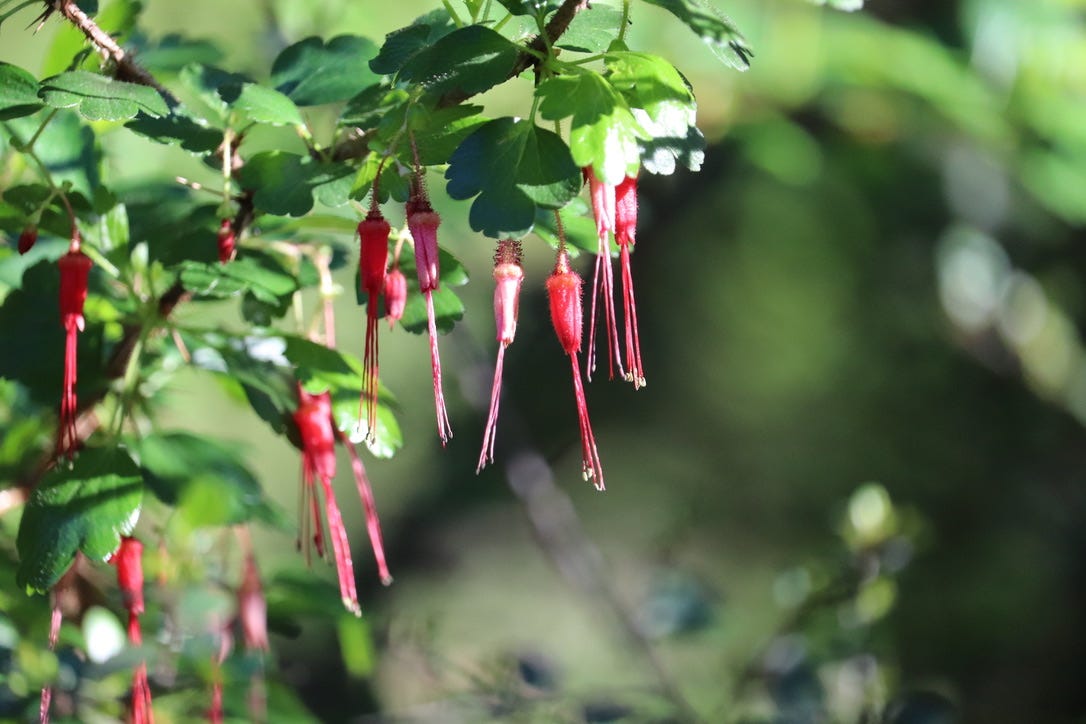
HumaNatureConnect Activity
If this is not a day when you prefer to spend time in nature without an agenda, do the Heartwood Path Start-up Protocol found in the Appendix. Then return here to do the remaining portion of this activity:
Testing Ways To Stop Over-thinking About The Magnitude And Significance Of Your Problems
For this activity, use the optimal functioning you will receive from being with your chosen natural being to assume its essence (psychologically put yourself in the natural being’s place) and, as it, visualize your life as a tiny dot on the earth, visualize how everyone you know will be gone one hundred fifty years from now, and the magnitude of your tiny problem when compared to all of the other problems on earth at this time.
