


Photo by cottonbro studio, Pexels.com.
Teaching children about energy and coherence helps them recognize the power of their attention, emotions, and actions in shaping their experiences and relationships.
When children understand energy as their life force—how it flows, how it feels, and how it connects to others—they become more mindful of how they affect the world around them. Introducing coherence teaches them the value of inner alignment—how to match their thoughts, feelings, and behaviors in a way that brings clarity, calm, and purpose. Together, these concepts build emotional intelligence and resilience, empowering children to make choices that support well-being and harmony. Ultimately, fostering awareness of energy and coherence prepares young people to contribute more compassionately and effectively to communities and ecosystems alike.
Reading to children about diversity, coherence, and the synchronicity they yield is important because it helps them develop a deep, relational understanding of the world—emotionally, socially, and ecologically. Here’s why each of these concepts matters and how they work together:
1. Diversity: Cultivating Respect and Curiosity
Reading about diversity—whether in nature, cultures, perspectives, or abilities—teaches children to value difference as essential to life.
In ecosystems, diversity strengthens resilience.
In society, it fosters empathy and collaboration.
In self-understanding, it allows children to see their uniqueness as part of a rich human tapestry.
Why it matters: It lays the groundwork for openness, adaptability, and emotional intelligence.
2. Coherence: Making Sense of Relationships
Coherence is about finding patterns, connections, and meaning within diversity. Through stories, children see how different elements—people, places, feelings, events—can coexist in harmony.
It helps them integrate emotions and thoughts.
It supports moral reasoning and a sense of fairness.
It models how contrasting parts of a story or life can form a meaningful whole.
Why it matters: Coherence enables children to find their place within complexity without needing to erase difference.
3. Synchronicity: Feeling the Magic of Connection
When children notice that diverse elements—whether characters, animals, or events—come together meaningfully, they experience synchronicity.
It feels like things are connected for a reason.
It nurtures awe, intuition, and trust in life’s unfolding.
It mirrors how real-life cooperation and beauty often emerge from unexpected alignments.
Why it matters: Synchronicity sparks wonder, belief in interconnection, and readiness to participate meaningfully in the world.
Together: They Form an Ecological Awareness
Reading about these concepts in tandem fosters an ecological mindset:
Children learn that difference doesn’t mean disconnection.
They develop a capacity for seeing unity without uniformity.
They begin to trust that life is more than random—it’s rhythmical, interdependent, and meaningful.
HumaNatureConnect Activity
Here are five children’s books that each illuminate aspects of diversity, coherence, and the synchronicity they yield, along with how and why they matter:

1. “We Are Water Protectors” by Carole Lindstrom, illustrated by Michaela Goade
Theme: Diversity of cultural perspectives, coherence of values, synchronicity through collective action
Why it’s pertinent:
This Indigenous-centered picture book beautifully conveys a spiritual and ecological message about protecting water.
Diversity: Offers a Native American perspective rooted in respect for natural systems.
Coherence: Weaves myth, protest, and environmental stewardship into one powerful narrative.
Synchronicity: Demonstrates how standing together in unity with Earth can produce meaningful change.

2. “The Bear and the Piano” by David Litchfield
Theme: Diversity of personal paths, coherence of identity, synchronicity in relationships across distances
Why it’s pertinent:
This is a story about a bear who discovers music in the forest and travels far to pursue his dream.
Diversity: The bear moves between wild and urban worlds, exploring emotional and physical contrasts.
Coherence: Despite changes, he remains true to both his musical soul and forest roots.
Synchronicity: A surprising return home reveals the forest animals have always followed and supported his journey—beautiful alignment beyond his awareness.
Here are five original, unrepeated children’s books that each illuminate aspects of diversity, coherence, and the synchronicity they yield, along with how and why they matter:
1. “We Are Water Protectors” by Carole Lindstrom, illustrated by Michaela Goade
Theme: Diversity of cultural perspectives, coherence of values, synchronicity through collective action
🌀 Why it’s pertinent:
This Indigenous-centered picture book beautifully conveys a spiritual and ecological message about protecting water.
Diversity: Offers a Native American perspective rooted in respect for natural systems.
Coherence: Weaves myth, protest, and environmental stewardship into one powerful narrative.
Synchronicity: Demonstrates how standing together in unity with Earth can produce meaningful change.
2. “The Bear and the Piano” by David Litchfield
Theme: Diversity of personal paths, coherence of identity, synchronicity in relationships across distances
🌀 Why it’s pertinent:
This is a story about a bear who discovers music in the forest and travels far to pursue his dream.
Diversity: The bear moves between wild and urban worlds, exploring emotional and physical contrasts.
Coherence: Despite changes, he remains true to both his musical soul and forest roots.
Synchronicity: A surprising return home reveals the forest animals have always followed and supported his journey—beautiful alignment beyond his awareness.

3. “Big Umbrella” by Amy June Bates and Juniper Bates
Theme: Diversity of appearances and experiences, coherence in compassion, synchronicity in everyday generosity
🌀 Why it’s pertinent:
This book uses the metaphor of a large red umbrella to invite everyone in—no matter what they look like, how they move, or what they wear.
Diversity: Shows a variety of people, including marginalized identities, all finding shelter.
Coherence: It creates a simple, consistent message of welcome and acceptance.
Synchronicity: The act of inclusion spreads naturally, expanding the umbrella beyond limits—revealing how kindness multiplies.
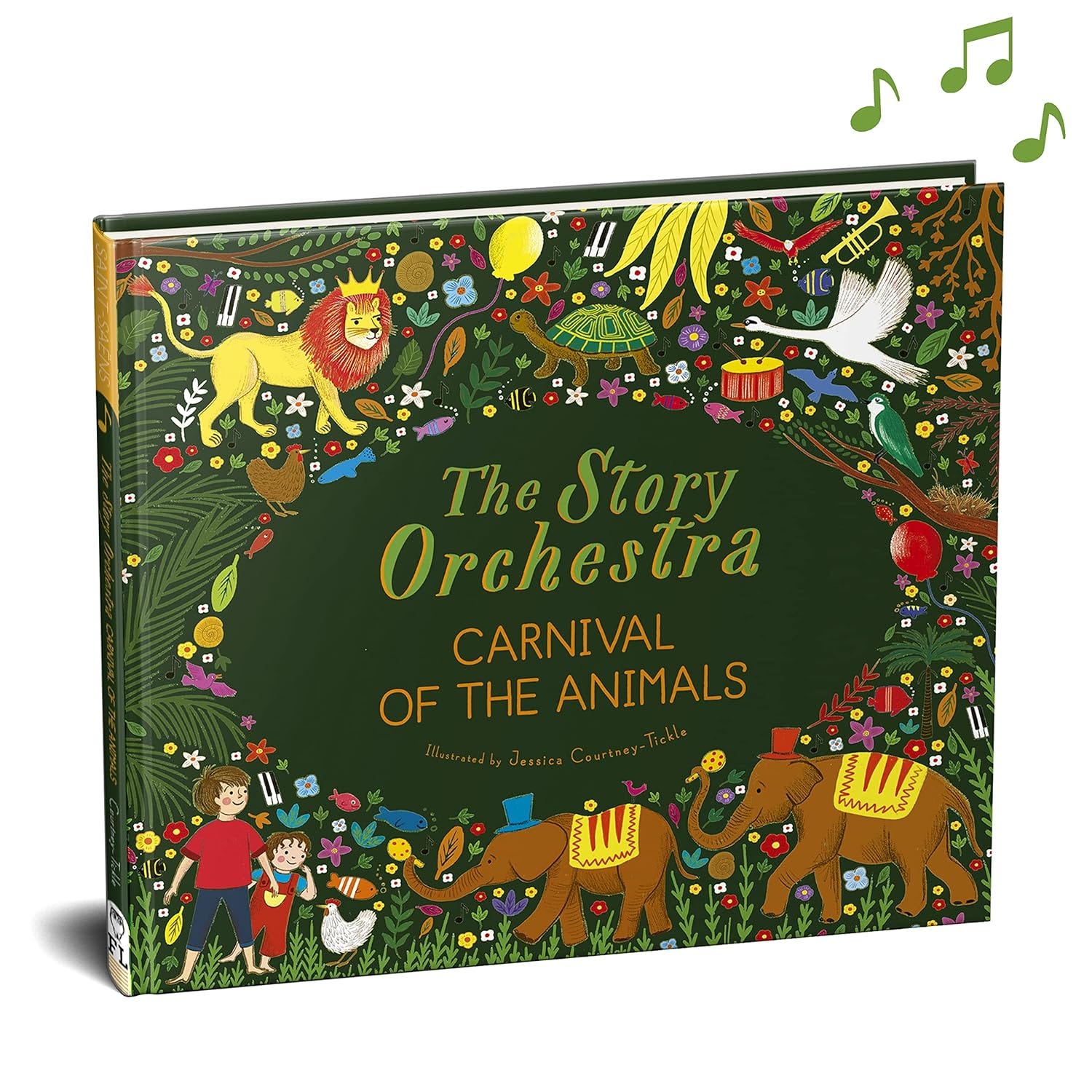
4. “The Story Orchestra: Four Seasons in One Day” by Jessica Courtney-Tickle
Theme: Diversity in nature’s rhythms, coherence in cycles, synchronicity through music and story
🌀 Why it’s pertinent:
Following a girl and her dog through spring, summer, autumn, and winter in a single day, this book pairs story with Vivaldi’s Four Seasons.
Diversity: Nature’s seasonal expressions are beautifully contrasted in tone and color.
Coherence: The book synchronizes music, visuals, and narrative into one emotional arc.
Synchronicity: The girl’s experiences and the music align in a magical, almost dreamlike flow—showing children how life’s variety can harmonize.

5. “Saturday” by Oge Mora
Theme: Diversity in expectations and emotions, coherence in love and resilience, synchronicity in shared time
🌀 Why it’s pertinent:
Ava and her mother look forward to their special Saturday traditions, but everything keeps going wrong—until they realize the day’s real meaning.
Diversity: Highlights the diversity of daily emotions—hope, disappointment, and joy—and family experiences.
Coherence: The mother-daughter bond remains the throughline, anchoring the story.
Synchronicity: The realization that what matters isn’t the plan but being together reflects how emotional resonance often appears unexpe