


Photo by Jeff Vinluan, Pexels.com.
It is important to read about diversity, coherence, and harmony because such topics expand our understanding of the world, showing us how different perspectives and experiences enrich life, how meaning arises from connection, and how peace is created through respectful collaboration.
Literature that explores these themes helps build empathy, critical thinking, and a sense of belonging—teaching us not only to appreciate differences, but also to see how they can be woven into a greater, more beautiful whole.
Diversity refers to the presence of differences—whether in ideas, cultures, species, perspectives, or experiences. It is the raw material of richness, offering a wide range of possibilities for growth, creativity, and resilience.
Coherence is the inner alignment or integration of parts into a meaningful whole. It’s how diverse elements relate to each other in a way that makes sense, supports function, and maintains clarity or purpose.
Harmony is the resulting state of balance when diversity is honored and coherence is achieved. Harmony isn’t the absence of difference—it’s the beautiful outcome of unique parts working together in unity.
Especially in a time of social and ecological complexity, reading about these ideas inspires us to live with awareness, compassion, and purpose. In nature, a forest is diverse in its plant and animal life, coherent in how its systems support one another, and harmonious in how it sustains life. In literature, stories that include multiple characters with different backgrounds who learn to understand one another and act together toward a common good can model this exact process.
HumaNatureConnect Activity
The following books not only entertain but also impart valuable lessons on embracing diversity, fostering coherence through shared experiences, and achieving harmony in communities:

1. Seven Spools of Thread: A Kwanzaa Story by Angela Shelf Medearis
Diversity: Features seven Ashanti brothers, each with distinct personalities, reflecting varied human traits.
Coherence: The brothers learn to work together, weaving their individual threads into a single, beautiful cloth.
Harmony: Their collaboration not only resolves familial discord but also benefits their entire community, symbolizing unity and shared prosperity. Wikipedia
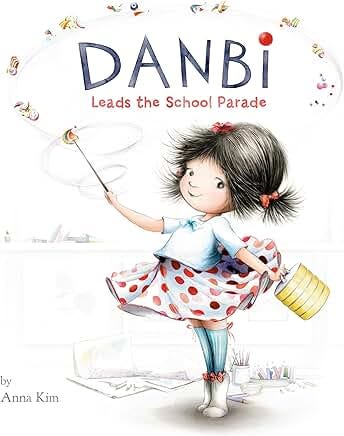
2. Danbi Leads the School Parade by Anna Kim
Diversity: Centers on Danbi, a Korean girl navigating her first day at an American school, highlighting cultural differences.
Coherence: Danbi bridges cultural gaps by introducing her classmates to a joyful parade, blending her heritage with new experiences.
Harmony: The story celebrates the creation of new friendships through mutual understanding and shared celebration. Wikipedia

3. The Snowy Day by Ezra Jack Keats
Diversity: Features Peter, an African American boy, exploring his urban neighborhood after snowfall, a groundbreaking representation at its time.
Coherence: Peter's simple, universal experiences resonate with readers of all backgrounds, connecting diverse audiences through shared childhood wonder.
Harmony: The book's gentle narrative and illustrations depict a peaceful coexistence within a diverse community.Wikipedia

4. Ten Little Fingers and Ten Little Toes by Mem Fox and Helen Oxenbury
Diversity: Showcases babies from various cultures and backgrounds, emphasizing global diversity.
Coherence: Despite differences, all babies share common features, illustrating human connectedness.
Harmony: The rhythmic text and warm illustrations convey a message of universal love and unity.

5. The Family Book by Todd Parr
Diversity: Depicts a wide array of family structures, including single-parent, same-sex, and extended families.
Coherence: Highlights that all families, regardless of their makeup, share love and care.
Harmony: Encourages acceptance and celebration of all family types, fostering an inclusive perspective.
Essential Readings:
• […]
• […]

Recommended Readings:
• […]
• […]
• […]
• […]

For additional readings, visit Heartwood Path Beat.