

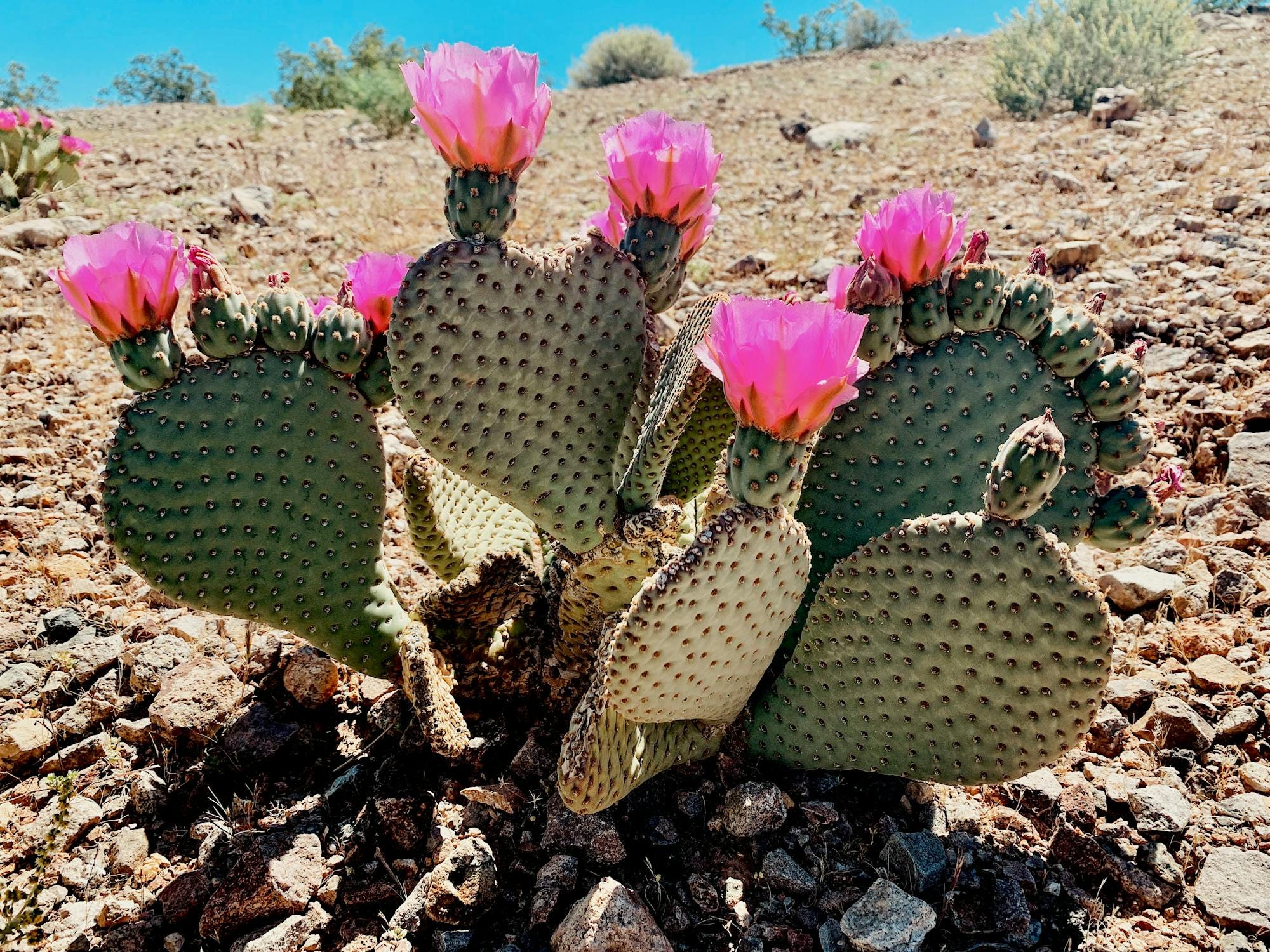
Photo by Solvej Nielsen, Pixels.com.
Understanding how diversity and fluidity lead to resilience is crucial—especially in the context of ecological psychology, human development, and environmental systems—because it reveals how systems adapt, survive, and even thrive through complexity and change.
Let’s unpack each term and how they interact:
Diversity
Meaning:
Diversity refers to the variety of elements in a system. In nature, it means biological variety—different species, behaviors, roles, and genetic traits. In psychology or social systems, it can refer to different perspectives, experiences, cultural practices, personalities, or problem-solving styles.
Why it matters:
Diverse systems have more options for responding to change. When one element fails, another can take its place. This redundancy and variation make systems adaptive. For example, an ecosystem with many pollinators won’t collapse if one species disappears.
Fluidity
Meaning:
Fluidity is the system's ability to shift, adapt, and transform—to flow instead of breaking. Psychologically, it includes mental flexibility, emotional agility, and openness to experience. In nature, it means that relationships and roles are dynamic, not fixed.
Why it matters:
When environments or circumstances change, fluid systems can reconfigure themselves. This capacity to evolve or adjust prevents stagnation and collapse. For instance, in a forest after a fire, the landscape doesn’t return to the exact same structure—it reorganizes into a new, often more complex form.
Resilience
Meaning:
Resilience is the ability to withstand disturbance and recover—to bend without breaking, to regenerate after loss, and to keep functioning even under stress.
How it happens through diversity and fluidity:
Diversity provides multiple pathways to solve problems, support functions, and fill ecological or psychological roles.
Fluidity enables the system to shift into new configurations when older ones no longer work.
Together, they allow a system to respond creatively to pressure rather than be overwhelmed by it.
How this looks in practice:
In nature: A coral reef with diverse species is better able to recover from bleaching because some species are more tolerant of temperature changes.
In communities: A group with diverse cultural traditions and the fluidity to adapt social norms can respond better to crises (like pandemics or natural disasters).
In individuals: A person who cultivates diverse emotional tools (joy, patience, curiosity) and fluid thinking (openness, imagination) tends to rebound from hardship more effectively.
In Ecological Psychology:
Resilience emerges when humans engage the natural processes of ecosystems. Aligning with ecological principles (like diversity and change) nurtures psychological resilience. We become more adaptable and sustainable by mirroring the Earth’s complexity and responsiveness.
HumaNatureConnect Activity
Here are five pertinent books:
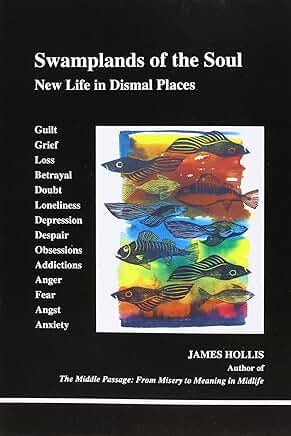
1. Swamplands of the Soul by James Hollis
Focus: Jungian psychology, shadow work, emotional complexity
Diversity: Hollis presents the psyche as inherently diverse, full of conflicting impulses, archetypes, and inner voices. Embracing this internal diversity brings depth and vitality.
Fluidity: He urges fluidity of thought—moving beyond rigid identities or moral certainties to allow for the unconscious to speak through symbols and dreams.
Resilience: Facing the “swamplands” of grief, failure, and loss leads to the transformation of the self. Resilience here means growing through psychological confrontation and integration.

2. Sand Talk: How Indigenous Thinking Can Save the World by Tyson Yunkaporta
Focus: Aboriginal wisdom, systems thinking, decolonization
Diversity: The book introduces Indigenous frameworks, storylines, and symbols that challenge Western monocultures of thought and invite diverse worldviews.
Fluidity: Knowledge is shared through metaphor, story, and relational conversation, not static argument—knowledge flows in and with the land.
Resilience: Yunkaporta emphasizes relational accountability and complexity science, showing how Indigenous communities endure through adaptive, place-based wisdom.
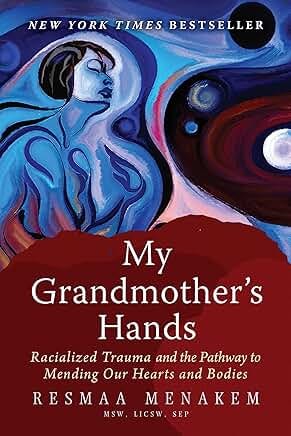
3. My Grandmother's Hands: Racialized Trauma and the Pathway to Mending Our Hearts and Bodies by Resmaa Menakem
Focus: Somatic healing, racialized trauma, collective resilience
Diversity: Menakem emphasizes the need to recognize the diverse ways trauma is carried in Black, white, and police bodies, inviting a nuanced understanding of collective and historical pain.
Fluidity: Healing is presented as a body-based, rhythmic, and evolving process—not linear, not intellectual. Emotions and sensations are acknowledged as flowing forces.
Resilience: True resilience, he argues, comes through body awareness, intergenerational repair, and communal practices—not just individual willpower.
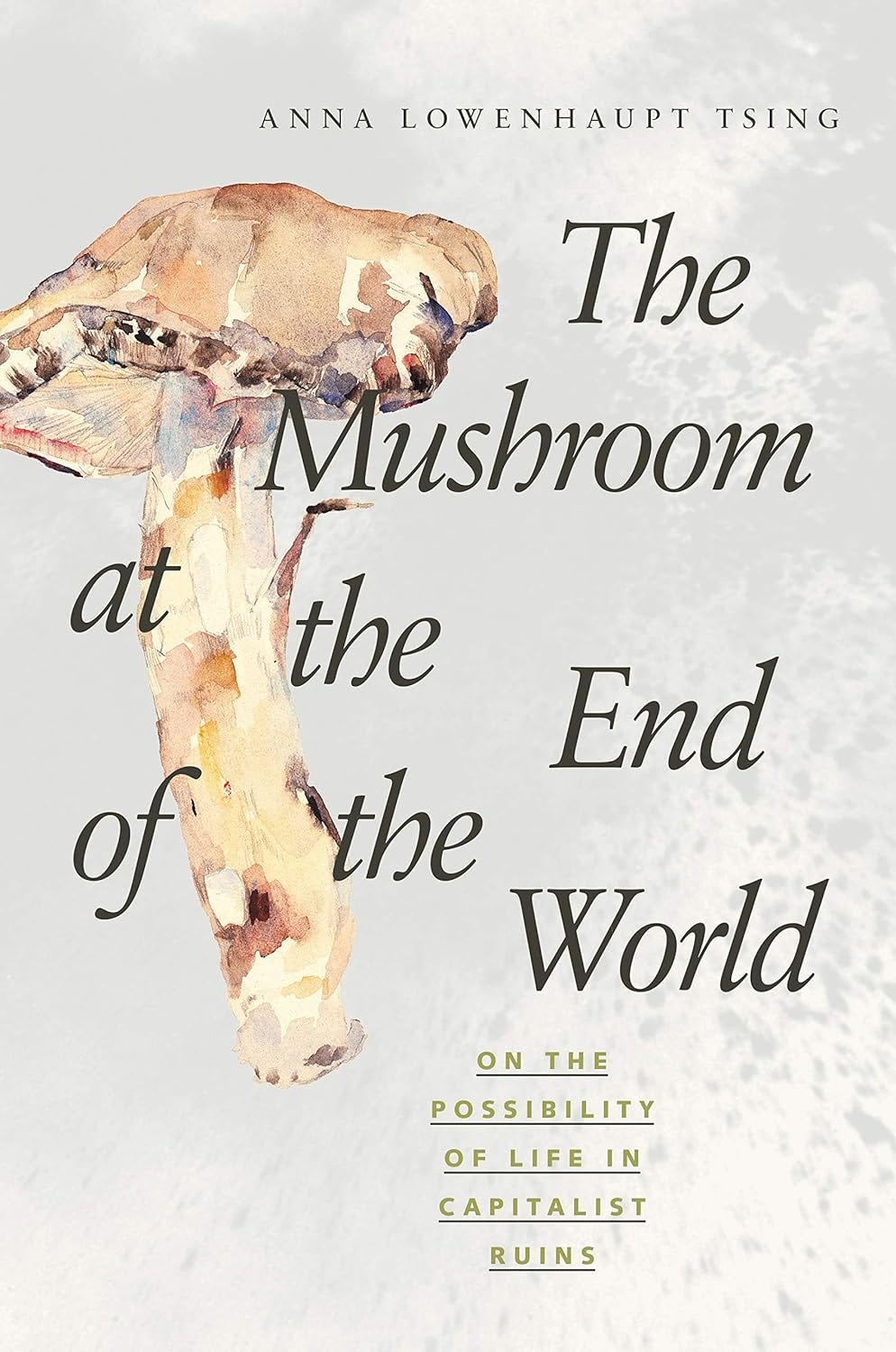
4. The Mushroom at the End of the World: On the Possibility of Life in Capitalist Ruins by Anna Lowenhaupt Tsing
Focus: Ecology, capitalism, interspecies entanglements
Diversity: The book celebrates the messy, unpredictable diversity of life and livelihoods that emerge in damaged landscapes—especially through the story of the matsutake mushroom.
Fluidity: Tsing models fluid, non-linear ethnography, weaving together economics, biology, anthropology, and storytelling in an interconnected narrative.
Resilience: She shows how life persists and adapts not through control but through collaboration, improvisation, and interdependence in disturbed environments.
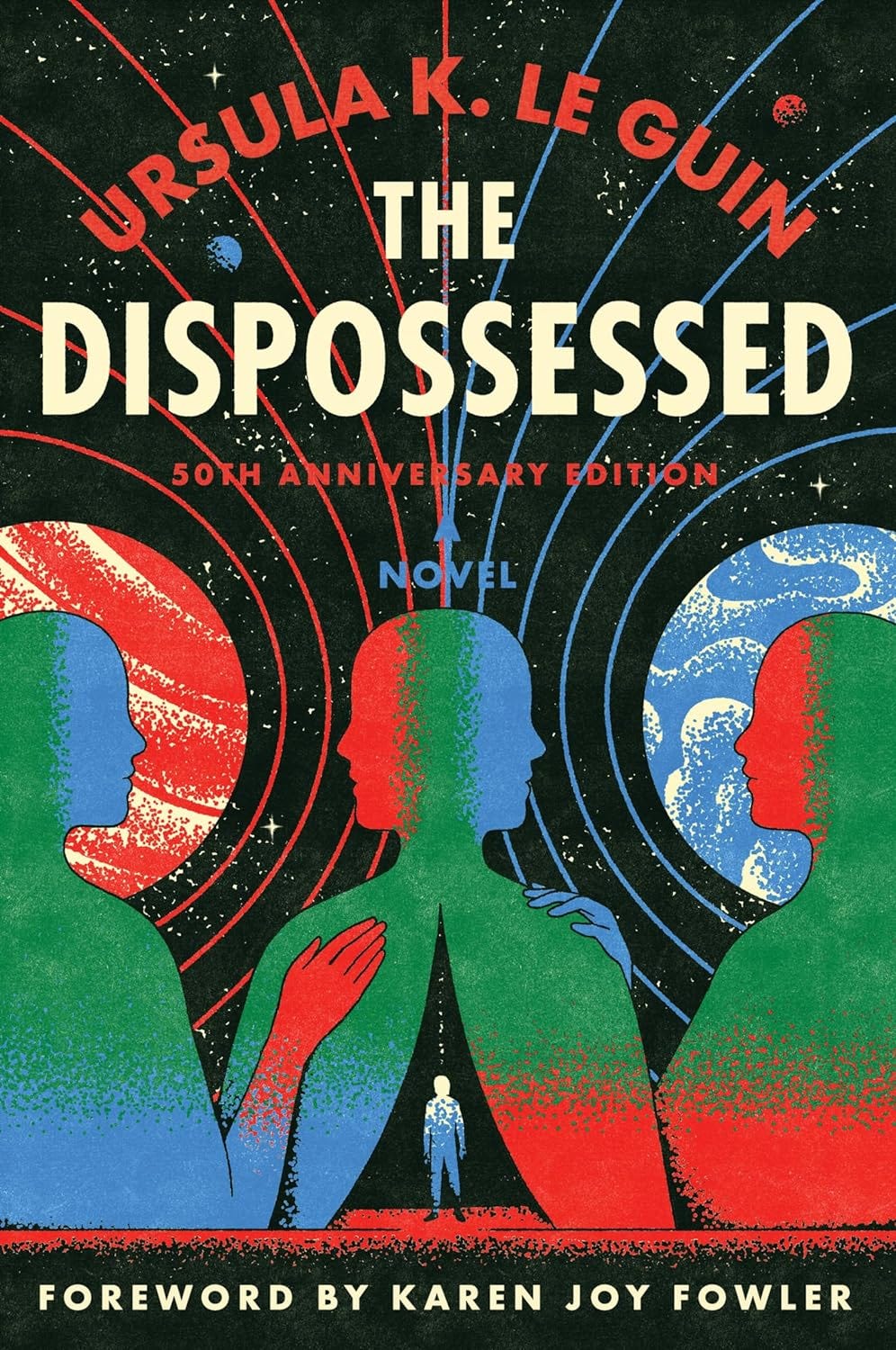
The Dispossessed by Ursula K. Le Guin
Focus: a profound literary meditation on how embracing diversity, staying fluid in thought and identity, and cultivating resilience can lead to more integrated and compassionate ways of living.
Diversity: Le Guin presents contrasting societies—one collectivist and anarchic, the other capitalist and individualistic—revealing complex socio-cultural systems.
Fluidity: The protagonist, Shevek, navigates between ideological and personal boundaries, showing adaptability in pursuit of unity and understanding.
Resilience: Despite systemic obstacles, Shevek persists in his quest to create a theory of temporal physics and bridge isolated worlds through communication and courage.
Essential Readings:
• […]
• […]

Recommended Readings:
• […]
• […]
• […]
• […]

For additional readings, visit Heartwood Path Beat.