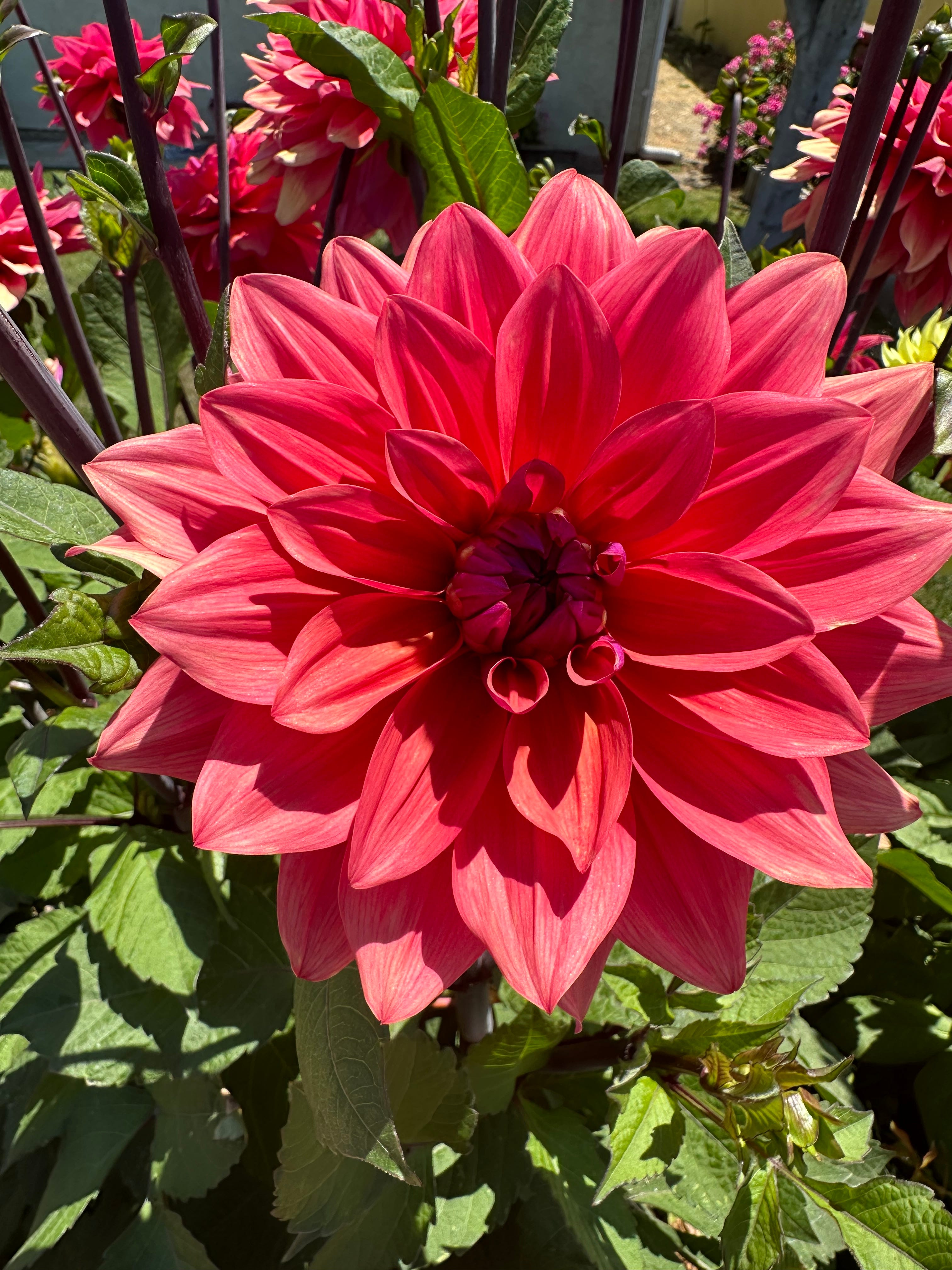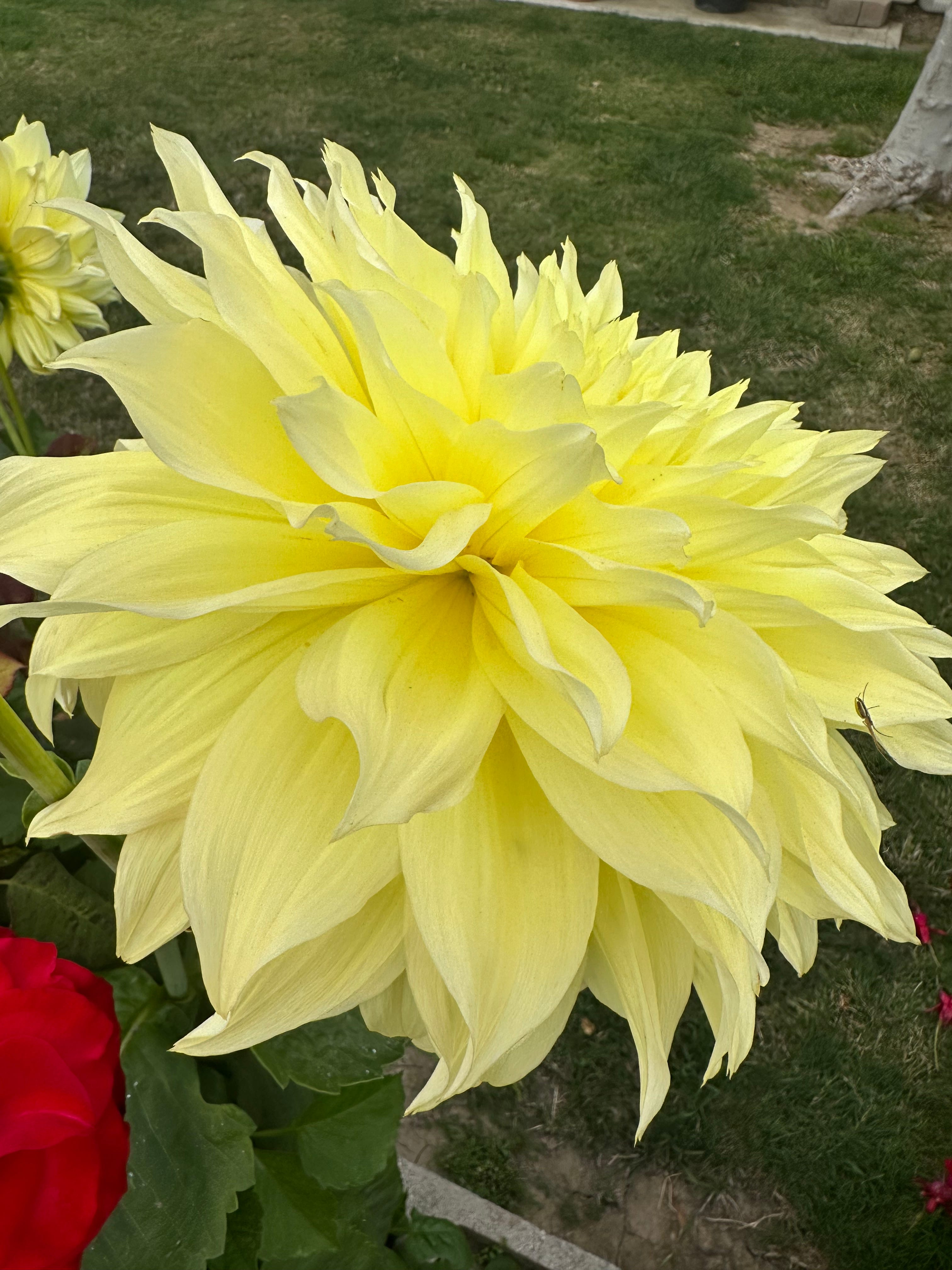
Photos by Don Pierce
The outer world consists of everything outside of our internal experience—what we see, touch, hear, and interact with. It’s the physical, relational, and cultural environment we live in and contribute to. In ecological psychology, the outer world is not just a backdrop; it actively shapes the inner world through dynamic relationships.
Here's what makes it up:
🌍 Natural Environment
Landscapes: mountains, rivers, oceans, forests, deserts
Weather & Climate: the atmosphere, seasons, temperature shifts
Flora & Fauna: all plant and animal life, visible and hidden
Ecosystems: interdependent communities of life (like wetlands or coral reefs)
Cycles: water cycle, carbon cycle, seasons, life-death-renewal
🧑🤝🧑 Social & Cultural Environment
Human relationships: family, community, friends, mentors
Societal systems: economy, education, government, healthcare
Cultural norms: beliefs, values, traditions, language
Built environments: cities, homes, roads, infrastructure
Media and narratives: stories that influence collective behavior and perception
🧰 Material and Technological Environment
Objects and tools: what we create, consume, and interact with
Technology: digital and mechanical systems that shape how we live
Resources: water, minerals, energy sources, and how they’re used or extracted
🔁 The Relationship Between Outer and Inner Worlds
The outer world isn’t static—it interacts with our perceptions, emotions, and beliefs. For example:
A polluted river can evoke grief and a call to action.
A wildflower meadow may trigger awe, joy, and belonging.
Cultural systems can either support or suppress environmental awareness.
Here's a list of 25 ways aspects of the outer world—natural, social, cultural, material, and technological—can be used to regenerate nature while increasing personal and collective happiness: