

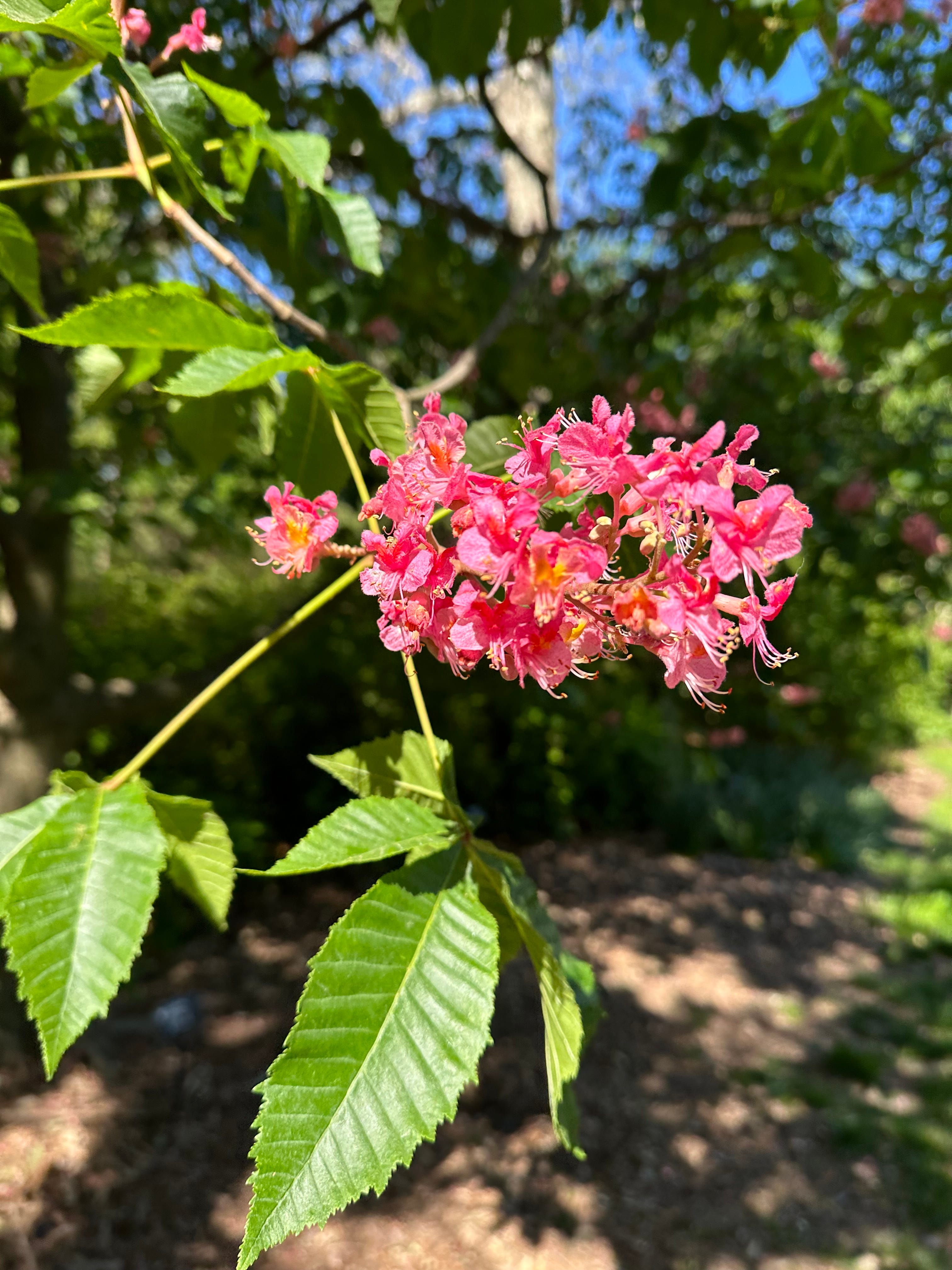
Photos by Don Pierce.
Ecological awareness unfolds not in rigid stages but through developmental frames—progressive and deepening ways of perceiving, relating to, and participating in the life of the Earth. Each frame reveals a wider field of relationship. As eartHearts move through these frames, they mature in empathy, alignment, and creative service, learning to act not apart from nature but as an expression of it.
Like the rings of a tree, each frame contains the previous one. Growth does not discard earlier awareness—it integrates, refines, and reorients it toward the living whole.
Frame 1: Egoic Awareness — “I exist apart.”
Defining quality: Separation and survival.
Core experience: Self as center; world as resource or background.
At this early frame, perception is bounded by personal needs, desires, and identity. The self is experienced as an isolated being who must manage, control, or protect against external forces—human or natural. Nature may be appreciated aesthetically but remains “other.”
Psychological posture: Self-protection, acquisition, external control.
Ecological relationship: Utilitarian or instrumental.
Shadow risk: Alienation, overconsumption, spiritual emptiness.
Spiritual invitation: To awaken from isolation into connection.
EartHeart guidance: Begin to listen to the world as a presence, not a backdrop. Notice how every act of self-preservation depends on unseen webs of life.
Frame 2: Relational Awareness — “I exist among.”
Defining quality: Empathy and interconnection.
Core experience: Self as one among many; mutual influence and belonging.
Here, awareness widens to include others—people, species, and places. Relationships are seen as vital exchanges of energy and meaning. Compassion, stewardship, and reciprocity emerge as guiding virtues.
Psychological posture: Empathy, social conscience, ethical care.
Ecological relationship: Stewardship and responsibility.
Shadow risk: Sentimentalism or moral fatigue if relationships remain anthropocentric.
Spiritual invitation: To experience “we-ness” beyond moral duty—relationship as sacred communion.
EartHeart guidance: Engage with life as dialogue. Listen for the silent responses of the more-than-human world. Every interaction becomes a prayer of reciprocity.
Frame 3: Participatory Awareness — “I exist within.”
Defining quality: Co-creation and reciprocity.
Core experience: Self and world as co-arising; perception as participation.
This frame marks the threshold into true ecological psychology. The eartHeart recognizes that perception is not passive observation but a relational event—each being co-shapes the field of awareness. Action becomes artistry; morality becomes creativity aligned with the patterns of life.
Psychological posture: Engagement, responsiveness, creative reciprocity.
Ecological relationship: Mutual participation in living systems.
Shadow risk: Idealizing harmony without honoring tension or limits.
Spiritual invitation: To act as a conscious participant in the ongoing creation of the world.
EartHeart guidance: Seek alignment with the living field. Let your actions grow from dialogue with place, season, and spirit. You are no longer an observer—you are a participant in life’s unfolding story.
Frame 4: Nondual Awareness — “I exist as.”
Defining quality: Unity and transparency of being.
Core experience: The separation between self and world dissolves; awareness experiences itself as life’s very process.
At this frame, ecological awareness becomes a sacred knowing. The eartHeart perceives no gap between the divine, the human, and the natural. Life is seen as a seamless field of energy and meaning expressing through countless forms. Compassion becomes spontaneous. Service arises as a natural flow of being rather than obligation.
Psychological posture: Stillness, presence, inclusivity.
Ecological relationship: Communion—being lived by life itself.
Shadow risk: Spiritual bypassing if embodiment and responsibility are neglected.
Spiritual invitation: To live as transparency—where “I” and “Thou” merge in living wholeness.
EartHeart guidance: Breathe the same breath as the forest. Feel the rhythm of the tides within your pulse. Awareness no longer seeks—it simply participates as love in motion.
Integration: The Spiral of Return
These developmental frames do not form a hierarchy to ascend, but a spiral of return—each turn bringing the eartHeart into fuller relationship with self, others, and the living Earth.
From egoic separation to relational empathy,
From participatory co-creation to nondual communion,
the movement is always toward deeper reciprocity and reverence.
Every frame has its sacred purpose: egoic boundaries preserve individuality, relational care fosters community, participatory awareness restores creativity, and nondual presence reveals unity. Together they form the living psychology of ecological wholeness.
Closing Reflection
Awareness matures as relationship deepens.
To grow ecologically is to remember what we already are—
life, aware of itself, returning home.

HumaNatureConnect Activity
Ecological awareness evolves through developmental frames—distinct but fluid ways of seeing, relating to, and participating in the living world. These frames are not hierarchical stages to climb but fields of relationship that widen as empathy, attention, and understanding deepen.
As eartHearts grow through these frames, they shift from separation to belonging, from control to communion. The process mirrors how a forest matures: rooted in individuality, branching into community, and finally merging into the vast canopy of unity.
Each frame below includes:
a symbolic image to evoke its essence,
a core reflection,
and a practice or outdoor activity to help the eartHeart embody it.
Frame 1: Egoic Awareness — “I exist apart.”
Symbol: A single stone in an open field.
Essence: Self as separate, secure, and seeking survival.
Focus: Personal identity, safety, and control.
At this early frame, awareness centers on individual needs and boundaries. The world appears external—a backdrop for personal goals or fears. This frame develops strength and agency but risks isolation from the living field that sustains it.
“The ego is a fine servant but a poor master. It helps us survive but must learn to serve life beyond itself.”
Contemplative Reflection
Sit quietly and notice where you end and the world begins.
Ask: How much of what I call “me” depends on sunlight, air, food, and relationship?
Outdoor Practice: Tracing Dependencies
Find a natural object you use daily—a piece of fruit, a leaf, a wooden item.
Trace back where it came from: the soil, rain, tree, human hands.
Reflect on how your existence depends upon unseen relationships.
Record your insights in your journal under the title: “My invisible ecology.”
Frame 2: Relational Awareness — “I exist among.”
Symbol: A cluster of wildflowers leaning toward one another in sunlight.
Essence: Recognition of interconnection and empathy.
Focus: Moral care, mutuality, and belonging.
Here, awareness expands to include others—human and more-than-human. You begin to sense life as a web of shared dependence. Compassion and responsibility awaken. Morality shifts from duty to empathy; stewardship arises naturally.
“Every being is a Thou when the heart listens.”
Contemplative Reflection
As you breathe, consider that the air entering you has just left the lungs of a tree.
Ask: What does it mean to love as reciprocity rather than charity?
Outdoor Practice: Circle of Gratitude
Sit or stand in a circle with others or alone in nature.
Speak aloud or silently name five beings—people, animals, or elements—to whom you owe gratitude today.
Offer a gesture (touching earth, bowing, or simply breathing out appreciation).
Let the act of gratitude open a feeling of shared belonging.
Frame 3: Participatory Awareness — “I exist within.”
Symbol: A mycelial web beneath forest soil.
Essence: Co-creation, responsiveness, and engagement.
Focus: Relationship as creative participation.
At this frame, awareness becomes interactive. You realize that your perception and behavior shape the world’s unfolding, just as the world shapes you. Knowing is no longer observation but participation—the dance of mutual becoming.
This is where ecological psychology truly blooms: perception is understood as relational action, and life as ongoing dialogue.
“We are not separate observers of nature; we are nature becoming aware of itself.”
Contemplative Reflection
Ask: How does my presence influence the living field around me?
Notice how your mood affects the behavior of birds, the tone of conversation, or even the stillness of trees nearby.
Outdoor Practice: Dialogue with Place
Choose a specific place outdoors. Spend at least 20 minutes there in silence.
Let your attention move outward—notice sound, movement, light, and texture.
Then, inward—notice your body’s response.
Whisper or write: “What are you asking of me, place?”
Record any impressions or gestures that arise. This is a dialogue, not a demand.
Frame 4: Nondual Awareness — “I exist as.”
Symbol: A river flowing into the sea.
Essence: Unity and transparency of being.
Focus: Communion with life; awareness as life itself.
At this deepest frame, awareness becomes seamless. The distinction between “self” and “world” dissolves into a felt oneness. Life is not something you participate in—it is what you are. Service arises effortlessly as love expressing itself through you.
“When I am fully present, there is no me and it—only the miracle of being.”
Contemplative Reflection
Sit quietly and sense your breath as the world breathing you.
Let the boundary between observer and observed dissolve.
Ask: What would action feel like if it arose from pure belonging?
Outdoor Practice: Becoming the Prayer
Walk slowly until you feel a deep resonance—a spot that welcomes you.
Stand or sit there in stillness.
Allow yourself to be breathed, to be heard, to be held by the world.
No words, no effort—simply allow your awareness to merge with the landscape.
When ready, bow in gratitude—not as someone separate, but as life greeting itself.
