


Photo by Gerald Yambao, Pexels.com.
Teaching children about energy and coherence helps them recognize the power of their attention, emotions, and actions in shaping their experiences and relationships. When children understand energy as their life force—how it flows, how it feels, and how it connects to others—they become more mindful of how they affect the world around them. Introducing coherence teaches them the value of inner alignment—how to match their thoughts, feelings, and behaviors in a way that brings clarity, calm, and purpose. Together, these concepts build emotional intelligence and resilience, empowering children to make choices that support well-being and harmony. Ultimately, fostering awareness of energy and coherence prepares young people to contribute more compassionately and effectively to communities and ecosystems alike.
Energy and coherence yield synergy by channeling focused vitality through aligned systems, allowing diverse elements to interact efficiently, enhance each other’s strengths, and generate emergent outcomes that none could achieve alone.
HumaNatureConnect Activity
Here are five pertinent books:

1. Wild: From Lost to Found on the Pacific Crest Trail by Cheryl Strayed (Non-Fiction Memoir)
Why it fits: Strayed is drawn (attracted) to the wild as a way of healing, and the trail’s pull ignites her physical and emotional energy. The environment magnetizes her attention and catalyzes transformation.
Illustrates energy through: the physical journey, resilience, and growth.
Illustrates attraction through: the mysterious, intuitive pull toward the wild and healing.

2. The Hidden Life of Trees by Peter Wohlleben (Non-Fiction)
Why it fits: Wohlleben presents forests as teeming with energetic communication and cooperation, making trees irresistibly attractive as intelligent, social beings. Readers often feel newly energized to protect forests.
Illustrates energy through: flow of nutrients, signals, and life through forest networks.
Illustrates attraction through: the compelling relational depth of trees and ecosystems.
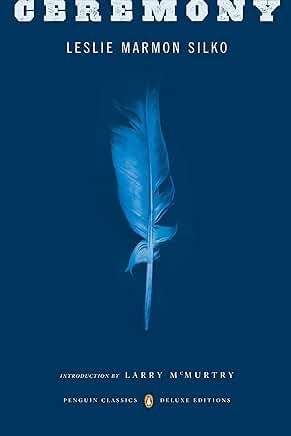
3. Ceremony by Leslie Marmon Silko (Fiction)
Why it fits: In this powerful Indigenous novel, the protagonist, Tayo, is magnetized toward the land, stories, and ceremonies of his people—an attraction that slowly restores his energy and purpose.
Illustrates energy through: ritual, memory, and ecological belonging.
Illustrates attraction through: cultural reconnection, love of land, and mythic calling.
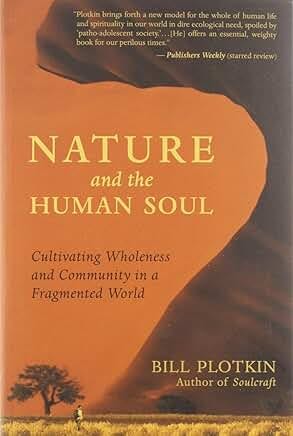
4. Nature and the Human Soul by Bill Plotkin (Non-Fiction)
Why it fits: Plotkin argues that soul-level attraction to wild places and archetypal images fuels our life energy and purpose. Nature is both the source and the mirror of our inner vitality.
Illustrates energy through: soul awakening and purposeful life stages.
Illustrates attraction through: longing for place, vision, and wild communion.
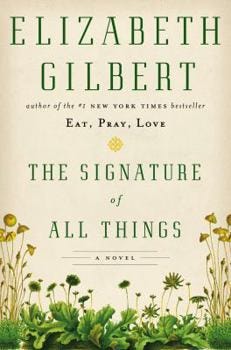
5. The Signature of All Things by Elizabeth Gilbert (Fiction)
Why it fits: This historical novel follows a botanist whose deep attraction to the mysteries of the natural world propels her energetic intellectual and emotional journey. Curiosity becomes a sustaining force.
Illustrates energy through: scientific inquiry, sensual engagement with nature.
Illustrates attraction through: fascination with moss, evolution, and the interconnectedness of life.
Each of these works reveals how attraction isn't static—it's a living force that sparks, sustains, and directs energytoward growth, discovery, and relationship.
Essential Readings:
• […]
• […]

Recommended Readings:
• […]
• […]
• […]
• […]

For additional readings, visit Heartwood Path Beat.