


Photo by Pixabay, Pexels.com.
Pairing the ecological psychology principle of Energy with the Heartwood Path principle of Zeal reveals how life force becomes ignited and sustained through passionate commitment—where energy isn’t just present, but is focused, fierce, and joyful in its purpose. Zeal directs energy toward meaningful, often restorative action, often in harmony with nature’s intelligence.
Zeal and Energy can combine, without being lost in the blending, and overcome exhaustion to create Vitality. Energy and Zeal come together to generate passion, deep engagement, and sustainable action that results in sustainable environmental projects that bring joy, perseverance, and meaningful work. In these ways, zeal keeps environmental efforts fresh instead of tiresome.
From an ecological psychology perspective, Vitality arises when energy flows in harmony with natural cycles and rhythms. This flow creates Vitality and allows participants and ecosystems to function with resilience and renew themselves over time. Vitality is essential for both spiritual growth and effective environmental action. It provides sustained engagement, adaptability, and an intimate feeling of aliveness. These are essential factors that ensure one takes effective actions against environmental challenges.
Without vitality, energy becomes stagnant or depleted and leads to fatigue, disengagement, or reduced capacity to act effectively on environmental concerns. Vitality promotes resilience, adaptability, and sustainable environmental and personal development by channeling energy efficiently in an effective manner. Vitality encourages enthusiasm and sustained engagement for both personal and environmental actions. This dynamic state encourages creativity, adaptability, and deep engagement with life's regenerative processes for greater well-being and impact overall.
Here are four works of fiction and non-fiction that vividly illustrate this intersection:
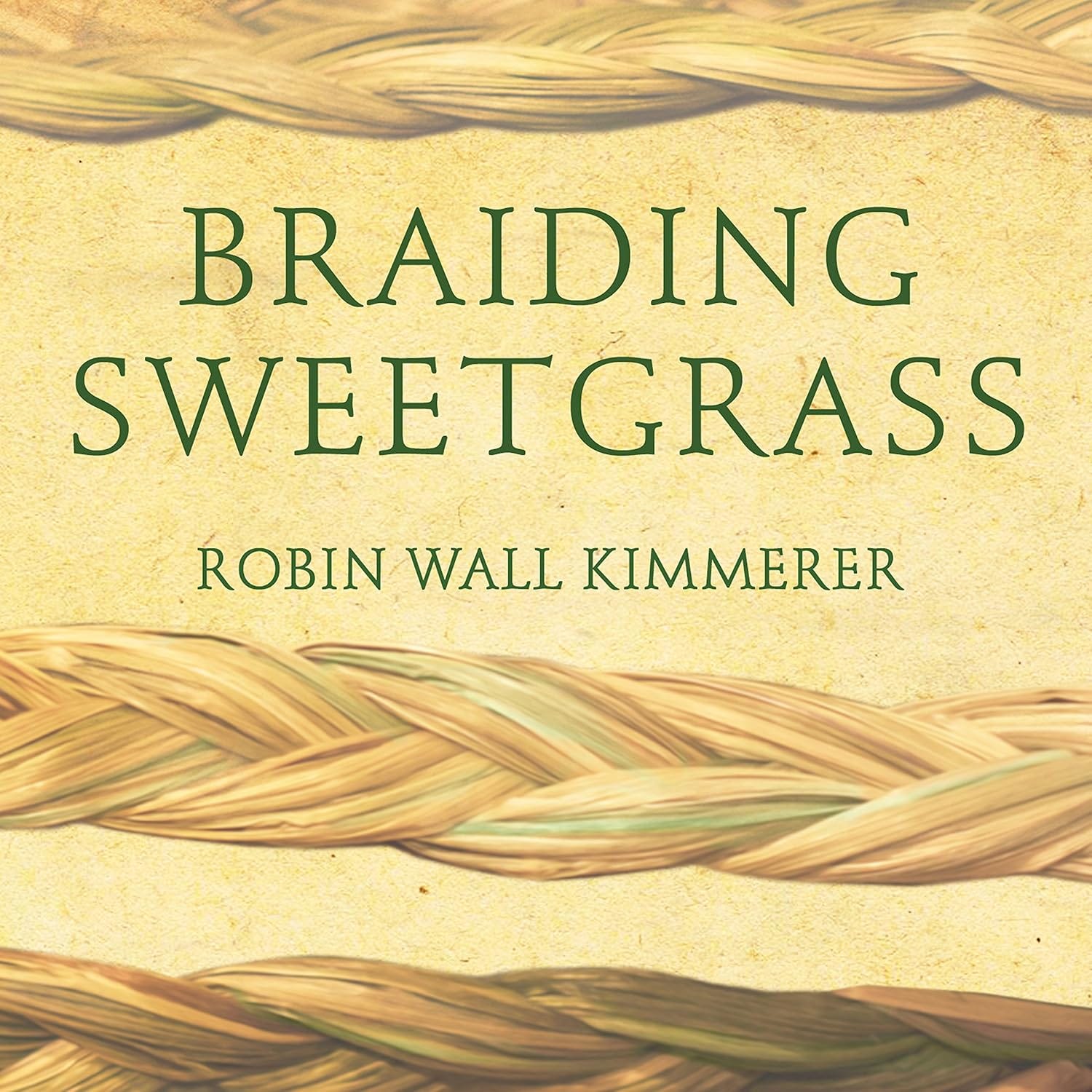
1. Braiding Sweetgrass by Robin Wall Kimmerer (Non-Fiction)
Why it fits: Kimmerer’s writing is charged with reverent energy, yet it’s her zeal for reciprocity with the Earththat drives the momentum of her stories. Her passion inspires sustained ecological action rooted in Indigenous wisdom and scientific wonder.
Illustrates Energy through: ecological knowledge, storytelling, and plant intimacy.
Illustrates Zeal through: unwavering commitment to kinship, gratitude, and caretaking.
Illustrates Vitality through: its celebration of the reciprocal relationships between humans and the natural world, where gratitude, care, and interconnectedness nourish life, renew ecosystems, and animate cultural and ecological renewal.
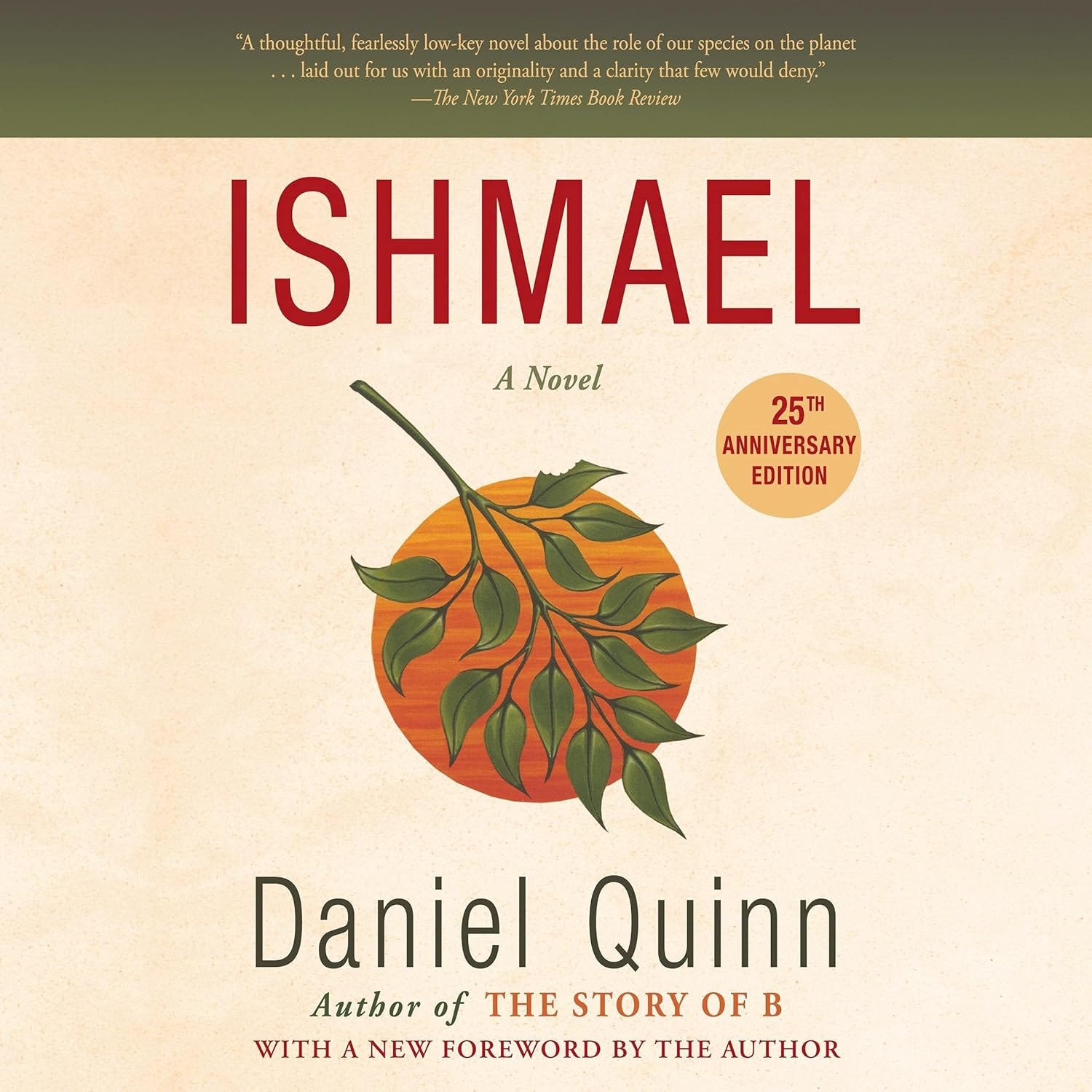
2. Ishmael by Daniel Quinn (Fiction)
Why it fits: Once the narrator grasps the truth of our ecological story through a telepathic gorilla, his existential energy is redirected toward zealous engagement with a new story of humanity—one based on sustainability and interconnection.
Illustrates energy through: awakening, storytelling, and moral urgency.
Illustrates zeal through: passionate embrace of a new ecological mythos and social responsibility.
Illustrates Vitality through: its challenge to dominant cultural narratives, revealing how reconnecting with the laws of nature and embracing our role within the web of life restores the energy, balance, and regenerative force essential to the flourishing of both human and ecological communities.
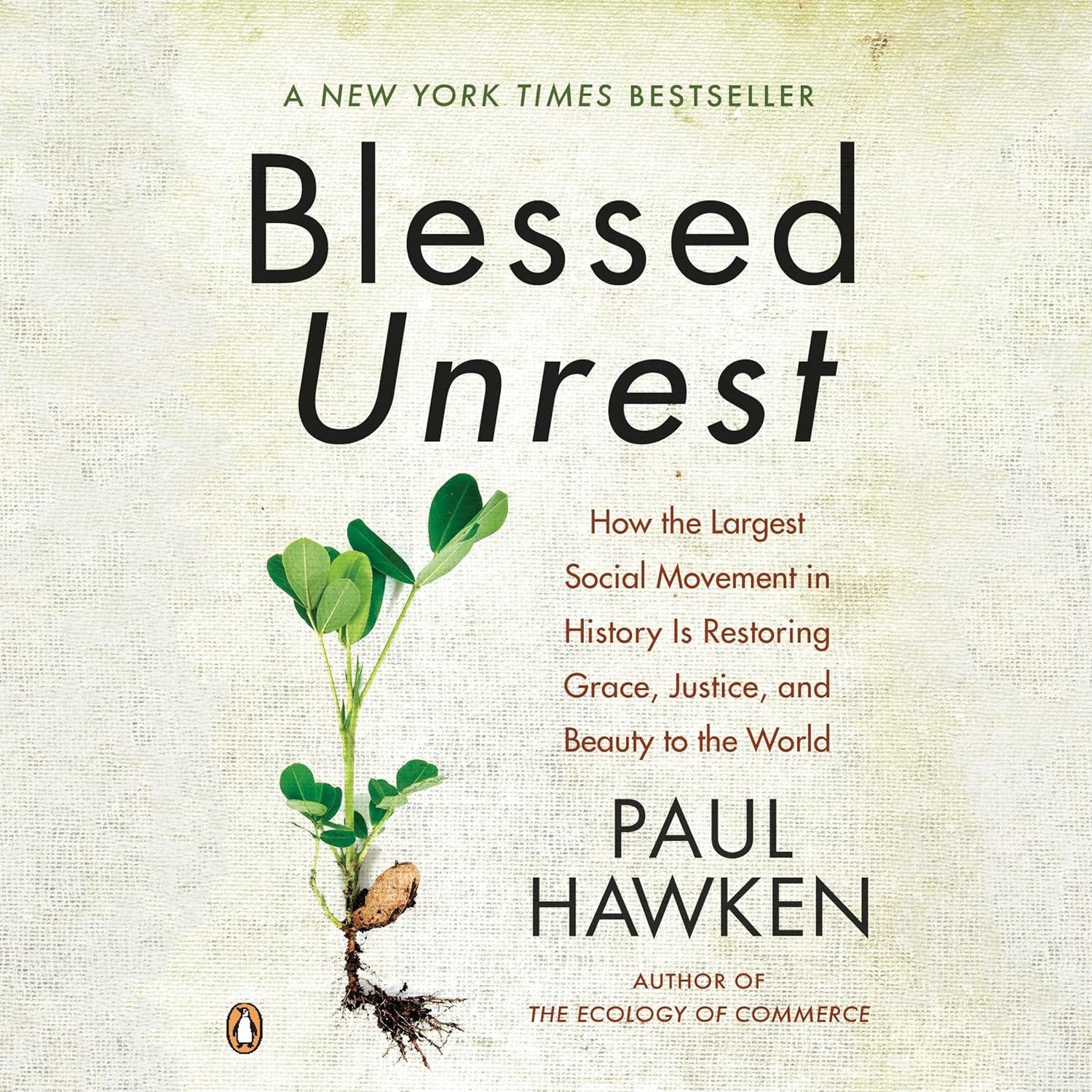
3. Blessed Unrest by Paul Hawken (Non-Fiction)
Why it fits: This work documents the largest social movement in history—millions of people acting energeticallyfor environmental and social justice. What unites them is not central planning, but shared zeal to heal the world.
Illustrates energy through: decentralized momentum and networked action.
Illustrates zeal through: enduring hope, creativity, and fierce love for Earth and community.
Illustrates Vitality through: 4. The Monkey Wrench Gang by Edward Abbey (Fiction)
Why it fits: Abbey’s ragtag crew of eco-saboteurs exhibit raw activist energy and a rebellious zeal to protect the wilderness of the American Southwest. Though controversial, their passion reveals how energy channeled through devotion to place can fuel bold resistance.
Illustrates energy through: action, humor, and environmental urgency.
Illustrates zeal through: fierce defense of wild lands and disdain for destructive industry.
Illustrates Vitality through: its portrayal of the vast, decentralized movement of people and organizations around the world who, often unknowingly connected, breathe life into social and ecological transformation by acting from shared values of justice, sustainability, and compassion.

4. This Changes Everything by Naomi Klein (Non-Fiction)
Why it fits: Klein’s exposé on the climate crisis radiates with intellectual and moral energy. But it’s her zeal for systemic change—economic, political, cultural—that pushes this book from awareness to call-to-action.
Illustrates energy through: investigative depth and clarity.
Illustrates zeal through: bold insistence that a better world is both necessary and possible.
Illustrates Vitality through: its urgent call to action, showing how grassroots resistance, bold systemic change, and the reclaiming of democratic power revitalize communities and ecosystems by challenging the lifelessness of extractive capitalism with the life-affirming force of collective will and ecological responsibility.
Essential Readings:
• […]
• […]

Recommended Readings:
• […]
• […]
• […]
• […]

For additional readings, visit Heartwood Path Beat.