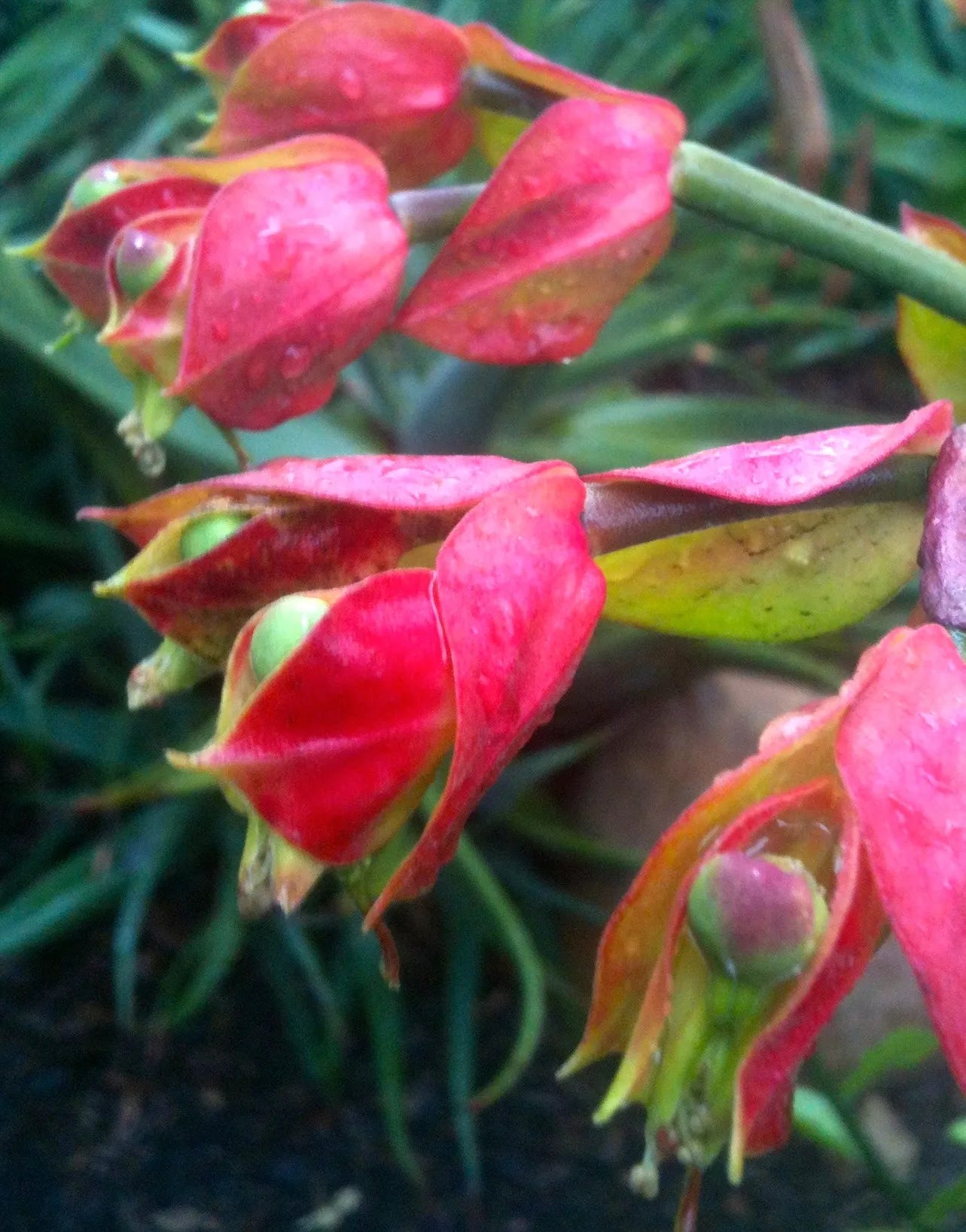
Photo by Don Pierce
Here, the focus is on achieving enduring calmness by training the mind. Normally, the mind is scattered and easily distracted, making deep contemplation difficult. By gently removing distractions and finding a balanced state between excitement and lethargy, calmness settles in. This enduring calmness, cultivated through determined contemplation, allows wisdom to unfold.
Use this focused calmness in all your human-nature interactions, including the next three important activities.
HumaNatureConnect Activity
If today isn’t a day for unstructured time in nature, try this guided activity:
Start-up Protocol
Read the Text: Engage your literary, mental, and reasoning senses to explore happiness and sustainability. Don’t just observe—actively use your natural senses while spending meaningful, enjoyable time outdoors on your way to Gladandgreen Junction.
Find an Attractive Natural Being: With pen and journal in hand, visit a natural area and choose a natural being that draws your attention.
Appreciate and Give Thanks: As you admire your chosen being, breathe in appreciation and exhale gratitude.
Consent: If you find yourself continuously attracted to an aspect of nature for at least ten seconds, consider this your consent to form a connection that supports your optimal functioning.
Engage Your Natural Senses: Using a list of Natural Senses, engage at least one radiation sense, one feeling sense, one chemical sense, and one mental sense to deepen and diversify your perception.
HumaNatureConnect Activity: After reading, finding, appreciating, and connecting, use your heightened awareness and nature-induced well-being to complete the following activity and any follow-up reflections you choose.
Generating Patterns of Human-Nature Interaction #10:
Walking the Edges of Nature
For this activity, walk the edges of nature after you feel connected to your chosen attractive natural being. You might walk the edge of a clear-cut forest (a perverse interaction) or along a boardwalk at a beach house (a domestic interaction). Instead, choose to walk along an undeveloped ocean beach or a pristine riverbank—wild interactions that positively affect your psychology.
In your journal, reflect on the meaning this wild interaction holds for you. Consider the joy it brings, how it strengthens your mind-nature bond, and why this wild form is more beneficial than the perverse or domestic versions.
Reflect on how it would feel to be denied this wild interaction—walking along a pristine body of water—and how the presence of your chosen natural being influences your experience.
Writing these reflections adds to our collective nature language, vital for rekindling human-nature bonds. Review your impressions before sleep and carry them into your dreams.
Nocturnal Pilgrimage
Tend to Your Dreams Before Moving On
This section begins a series on becoming aware within your dreams—how to wake up while dreaming.
Ways to Perform a Reality Check
Number Two: Set an Alarm.
Set a series of alarms on your mobile device to remind you to ask, “Am I dreaming?” Each time you answer this while awake, you increase the chance of initiating a lucid dream.
After responding to several alarms, review your most recent human-nature interaction journal entry. With these impressions in mind, sleep and dream. Tend to your dreams by journaling upon waking.
Then move to the next waypoint: Exemplary Compassion (Part Four).
As you proceed, consider how reliance on screen-based devices may pull you away from nature’s powerful wellness. Commit to turning off electronic screens daily for a time, and use that time to connect with an attractive natural being outdoors. After gaining consent and offering gratitude, commune with this source of health, information, and guidance as instructed.