


Pexels.com.
Observing squirrel foraging behavior: Insights on Well-Being, Creativity and Happiness
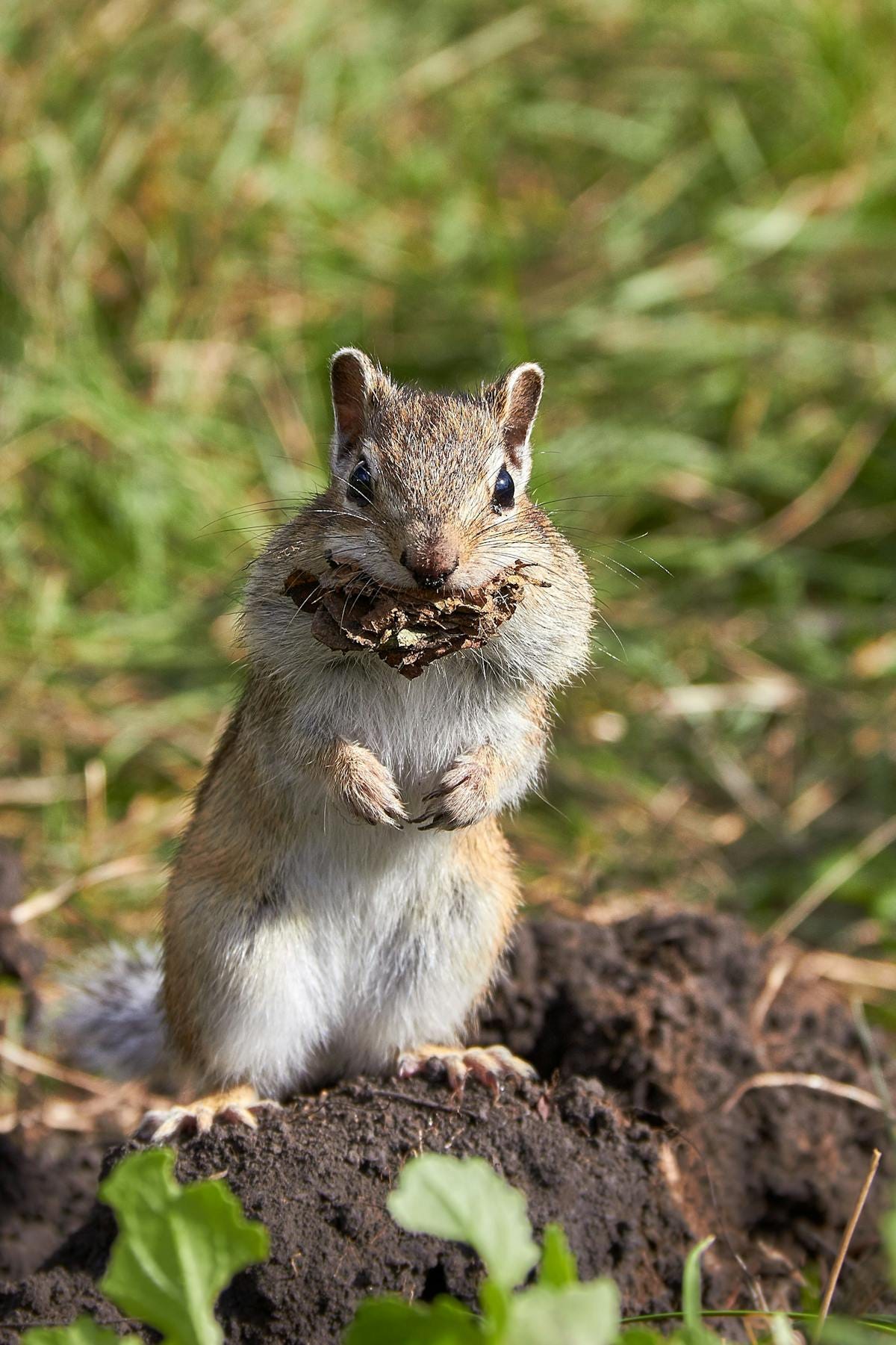
Foraging behavior is an impressive display of resourcefulness and adaptability. These small, agile animals navigate their environment with curiosity and ingenuity. They balance immediate survival needs with planning for the future. Humans can learn a lot from squirrels by observing them as they collect and store their food. This will help improve well-being and foster creativity.
Squirrels' foraging activities teach us lessons about mindfulness, resilience, and problem-solving--qualities essential for personal and collective growth. They teach us how small, deliberate steps can have a big impact. And they encourage us to think creatively and with playful curiosity.
Insights into Well-Being from Squirrel Behavior
1. Mindful engagement with the present
Squirrels are very aware of their environment, and use their senses to find food and avoid predators. They are deliberate in their foraging, and they do not get distracted. They can adapt to changing conditions and gather resources efficiently because of their mindfulness.
Humans Lesson:
In a world full of distractions and a fast pace, watching squirrels can help us embrace mindfulness. Focusing on the task in front of us can help us improve productivity, reduce stress and cultivate presence. Mindful engagement can be anything from savoring food, to engaging in creative projects, or even spending time in the outdoors.
2. Balancing Immediate and Future Needs
The squirrels balance their short-term and long-term plans instinctively. They eat some of the food they gather immediately but also store surplus for later use. This behavior shows that they understand seasons and scarcity. They can survive in harsh conditions.
Human Lesson:
This dual focus of the present and the future is a blueprint for sustainable life. We can achieve a balance and sense of security by meeting our immediate needs, while also planning for the future. This could be through prioritizing your health, saving money or investing in your relationships. This proactive approach helps us reduce anxiety and navigate the uncertainties of life with confidence.
3. Resilience in the Face of Challenges
In their foraging activities, squirrels are often faced with obstacles such as food sources that are inaccessible or other animals competing against them. These challenges are met with resilience by the squirrels, who adjust their strategies and explore alternative options.
Humans Lesson:
Squirrels teach us how to deal with setbacks and obstacles with flexibility. Resilience, which helps us overcome adversity while maintaining a positive attitude, is the cornerstone of wellbeing. Adopting a squirrel mindset allows us to view challenges not as insurmountable obstacles, but rather as opportunities for growth.
Insights into Creativity from Squirrel Behavior
1. Innovative Problem Solving
The ability of squirrels to solve problems is well-known, especially when they are faced with obstacles such as bird feeders and complex terrain. They are willing to try different methods, take risks, and adjust their tactics until they achieve success.
Human Lessons:
This creative spirit inspires us all to embrace new ideas and experimentation. The squirrel's innovative spirit inspires us to try new things, be curious and persist in spite of failure, whether we are tackling a challenge at work or working on an artistic project.
2. Playful Exploration
While foraging, squirrels will often engage in playful behaviors, such as jumping, climbing or playing mock chases. This playful attitude helps them improve their skills, but it also strengthens social bonds.
Humans Lesson:
Play is an important catalyst for creativity. Squirrels playing encourages us to add fun and exploration to our daily routines. We can boost our creativity by approaching challenges with curiosity and fun.
3. Resourceful Use of the Environment
Squirrels are resourceful in how they use their environment. The squirrels adapt their foraging strategy based on the resources available, including tree canopies and ground cover. They also take advantage of human-made structures.
Humans Lesson:
This adaptability encourages us to find creative solutions in our environment. Resourcefulness is the cornerstone of innovation. It allows us to maximize what we already have, rather than focusing on what we don't. We can turn constraints into creative opportunities by adopting the squirrel's point of view.
Practical Applications of Squirrel-Inspired Insights
1. Mindful practices to promote well-being
Daily Mindfulness Participate in activities to encourage presence and focus, such as journaling or mindful walking. Take some time to observe the behavior of animals and squirrels.
Balanced living: Include practices that balance short term enjoyment with long term planning. Set aside time to care for yourself while setting achievable goals for your personal growth.
2. Playful exploration to foster creativity
Creative Activities: Try out new art forms, play problem-solving or brainstorming games that promote creative thinking.
Nature Inspired Projects: Draw inspiration from the ingenuity and resourcefulness of squirrels to inspire creativity.
3. Building resilience through adaptability
Learn from setbacks: Use obstacles to improve your approach and learn new skills.
Flexibility of Thinking: Practice adapting to unexpected challenges by changing your mind-set and strategies, just like a squirrel maneuvering a tricky branch.
Broader Implications for Communities and Organizations
The behavior of squirrels foraging can also be a lesson for organizations and communities seeking to improve their collective well-being or inspire innovation.
Resilience of Communities: Just like squirrels depend on different food sources and habitats to thrive, communities flourish when they embrace adaptability and diversity. Encourage collaboration and mutual assistance to strengthen resilience when faced with challenges.
Create Workspaces Organizations are able to foster a culture for innovation by creating an environment that encourages play, exploration and resourcefulness. Squirrels teach us that risk-taking, experimentation and creativity thrive in places where these values are valued.
Sustainable Practices The balance between the squirrels' immediate needs and their future ones highlights the importance for sustainability. Organizations can help create a healthier environment by adopting practices which prioritize long-term goals and conserve resources.
Conclusion
Foraging squirrels offers a fascinating example of how the rhythms of nature can inspire creativity and well-being in humans. These tiny creatures are a testament to the power of resilience, mindfulness and playful curiosity. They offer timeless lessons on how to navigate life's complexity.
By observing squirrels, we can:
Mindfulness can enhance your daily life.
Stability is achieved by balancing current needs and future aspirations.
Creatively and resourcefully approach challenges.
By incorporating these lessons into your life, you can improve your well-being and creativity. You will also feel more connected to nature. We can adapt to our environment, take advantage of opportunities and find joy in exploring the world around us.
Pexels.com.
HumaNatureConnect Activity
Outdoor Activity: "Squirrel Secrets: Learning Well-Being and Creativity from Nature"
Objective:
To observe and engage with the foraging behaviors of squirrels, teaching participants how these behaviors exemplify mindfulness, resilience, and resourcefulness. Through observation, reflection, and interactive exercises, participants will learn how these traits can enhance their well-being and inspire creative problem-solving.
