

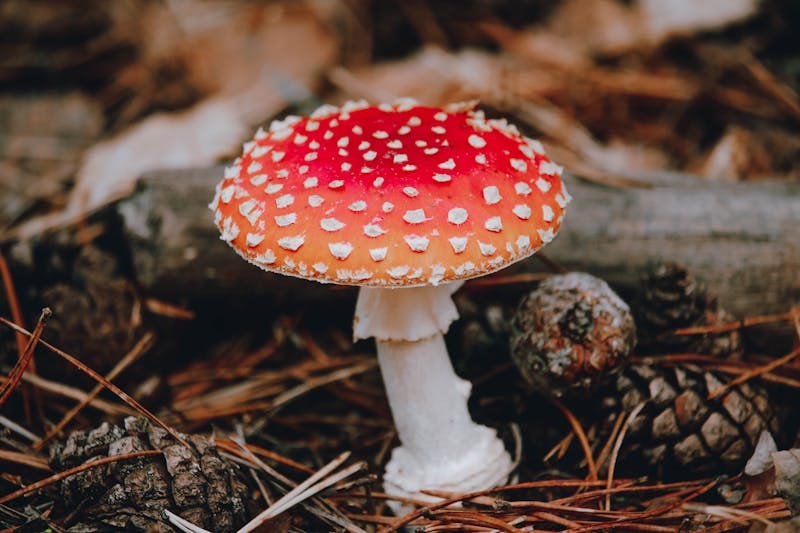
Pexels.com.
Benefits of Observing Fungal Decomposition As An Opportunity For Action
Decomposition by fungi is a profoundly transformative process in nature. It is at the intersection of life and decomposition, renewal and decay. This provides valuable insights and offers opportunities for action. The decomposition of fungi reveals important ecological, philosophical and practical lessons. These help us to better understand our relationship with nature. It encourages sustainability, nurtures creativity and aligns with the rhythms of nature, which guides personal growth and environmental stewardship.
1. Understanding Nature's Cycles
Fungal decomposition is a great example of the cycle of life. Fungi decompose organic matter and convert dead plants, animals and waste to nutrients that enrich the soil. This process closes the ecological loop, showing that death is not a finality but rather a transformation which supports new life.
We can observe how fungi embody renewal. This understanding can change human perspectives about waste by encouraging actions that mimic the cycles of nature, such as composting, or designing systems that encourage reuse and regeneration. This principle is closely aligned with ecological psychology's notion of renewal, the ability to restore balance and encourage growth.
2. Promoting Soil Health and Fertility
For soil health, fungi are vital, particularly decomposers such as saprophytes. They release essential nutrients such as nitrogen, phosphorus and potassium by breaking down organic material into humus. This process helps us to appreciate the invisible processes that support ecosystems.
These insights inspire individuals to be stewards for the land and promote sustainable agricultural practices. Composting mimics fungi decomposition and creates nutrient-rich amendments to soil. Understanding the role of fungal decomposition in nutrient cycles inspires direct action that improves soil fertility and supports food security.
3. Catalyzing Environmental Cleanup
Fungi are capable of breaking down both natural and synthetic pollutants. Mycoremediation--using fungi to degrade contaminants--has become an innovative tool for cleaning up oil spills, heavy metals, and plastic waste. The decomposition of fungi reveals these abilities, which has inspired efforts to harness fungi for ecological restoration projects.
This observation can lead you to take action, like supporting or participating in initiatives such as mycoremediation. This book shows how overlooked organisms are capable of driving significant environmental recovery. It empowers individuals and communities to make practical, solution-oriented moves towards sustainability.
4. Encourage Humility And Empathy
The decomposition of fungi invites us consider the often overlooked contributors to ecological equilibrium. Fungi are hidden in the darkness and their contribution is indispensable. Their work inspires humility and reminds us that all beings, no matter how small or visible, play a vital role in the web.
This awareness promotes empathy towards all living and not-living ecosystem components. Recognizing the interconnectedness between life can help individuals develop a responsibility for the environment. Fungi transform our lives in subtle ways.
5. Inspiring Innovation And Creativity
Fungi are fascinating because of their complex networks and abilities. They inspire curiosity and imagination. Observing the decomposition of fungi can lead to creative problem solving, especially in fields such as biomimicry where nature's design solutions are used by humans. Fungal decomposition, for example, has led to the development of biodegradable packaging and biodegradable products.
Studying fungi can help individuals reframe problems as creative opportunities. Ecological psychology focuses on the importance of recognizing and taking advantage of opportunities to act in the environment. Creative insights from fungi observation can influence art, technology, and education.
6. Teach Patience And The Value Of Slow Processes
Decomposition by fungi is not immediate; it can take days, weeks or even years. This deliberate, slow process encourages patience and mindfulness. The observation of fungi helps to shift the focus from immediate satisfaction to long-term outcomes and processes.
In a world of rapid consumption, fungi decomposition teaches us the importance of taking our time to repair and regenerate. This lesson can be used to influence individual and societal decisions, such as adopting a slower, more sustainable way of life or encouraging long-term thinking when it comes to environmental policies.
7. Building Resilience
Fungi are resilient and adaptable organisms. They thrive in diverse, often difficult environments. The decomposition of fungi reveals the adaptability fungi have to the decaying conditions that seem hostile. They transform waste into vitality. This resilience is a metaphor for the adaptability and resourcefulness of humans.
The resilience of fungi can inspire people to use challenges in their own lives as an opportunity for growth and transformation. This perspective is especially relevant in ecological psychology where resilience is key to fostering psychological well-being and environmental sustainability.
8. Cultivating Wonder
The ability of fungi to transform and decompose matter is an amazing feat. This process can be observed closely, whether through the study of fungal networks, the growth of mushrooms, or watching a log decompose. This emotional connection increases our appreciation of the natural world, and makes us more motivated to protect it.
Awe has been shown to improve well-being and promote pro-environmental behavior. It can also enhance social cohesion. Observing the fungal decomposition of organic matter can serve as a springboard for personal and collective action that promotes harmony with nature.
9. Enhancing Awareness Of Connectivity
Fungi play a key role in ecosystem connectivity. Fungi's mycelial network links plants and soil to facilitate nutrient communication and exchange. This concept is often called the "woodwide web."
This understanding encourages action that supports ecosystem connectivity, including preserving forests, plant diverse vegetation, and avoiding soil health practices. This understanding is also in line with the ecological psychology emphasis on interdependence and promotes a holistic approach towards environmental action.
10. Spiritual Growth And Philosophical Development
The philosophical underpinnings of fungal decomposition are mortality, transformation and renewal. These processes can lead to reflections on our own cycles, and prompt questions about our role in the larger web of existence. It can help individuals grow spiritually as they find meaning in nature's patterns and processes.
Fungi's decay and renewal resonate with the human experience of loss and change, providing comfort and perspective. These insights can be used to inspire gratitude, mindfulness and a commitment towards leaving a positive impact.
Practical Activities And Applications
Individuals and communities can practice practices that will bring them closer to the fungi, and their processes.
Composting By creating compost systems that mimic fungal decomposition, soil health is improved and waste is reduced.
Mycoremediation projects: Using fungi as a means to remove pollutants promotes environmental stewardship.
Forest Walks Observing fungi growth and decomposition creates a sense wonder and connection.
Art Education: Incorporating Fungi into art lessons, stories, or other educational projects can inspire creativity and ecological awareness.
Gardening With Mycorrhizal fungi: By using fungi to increase plant growth, we can better understand symbiotic relationships.
Conclusion
The opportunity to act that is offered by fungal decomposition has profound implications in the ecological, psychological and philosophical realms. It inspires us to take actions that are aligned with sustainable and regenerative methods. We can strengthen our relationship with nature by engaging in this natural process. It will foster a sense responsibility and wonder, which is the catalyst for meaningful change.
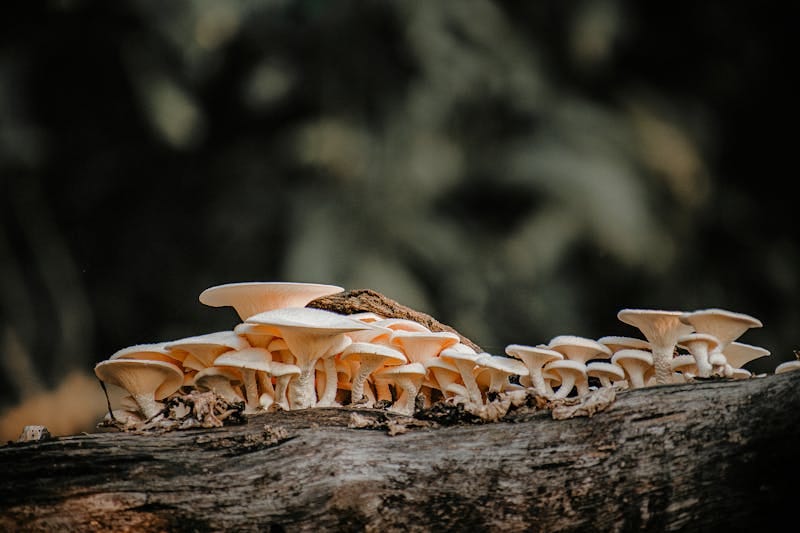
Pexels.com.
HumaNatureConnect Activity
Activity: "Decomposition Discovery Walk"
Objective:
To explore fungal decomposition in a natural setting, fostering an understanding of its ecological, psychological, and philosophical benefits while identifying opportunities for environmental action.
