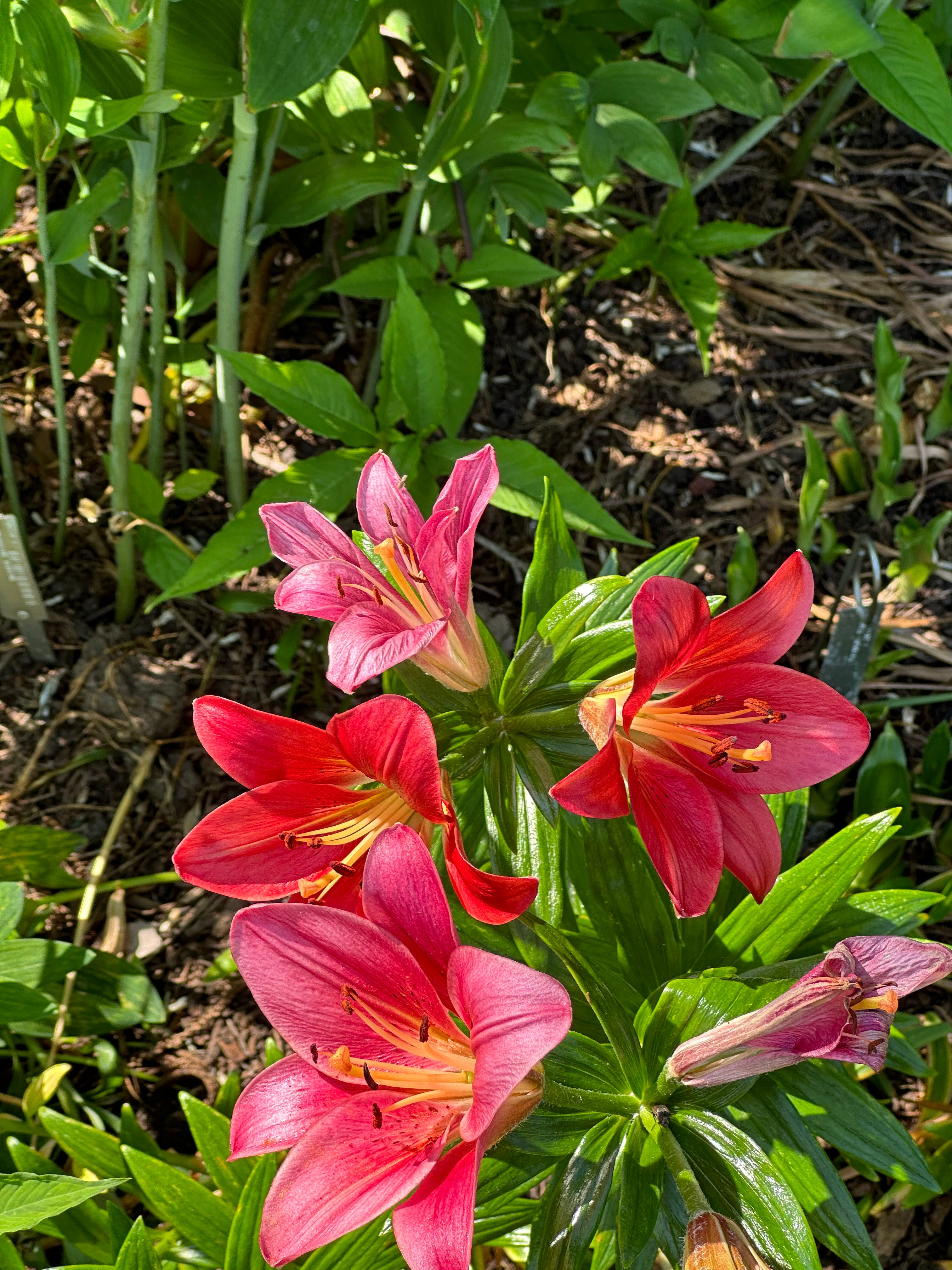
Photo by Don Pierce.
Pairing the ecological psychology principle of Energy with the Heartwood Path principle of Zeal reveals how life force becomes ignited and sustained through passionate commitment—where energy isn’t just present, but is focused, fierce, and joyful in its purpose. Zeal directs energy toward meaningful, often restorative action, often in harmony with nature’s intelligence.
Here are five works of fiction and non-fiction that vividly illustrate this intersection:
1. Braiding Sweetgrass by Robin Wall Kimmerer (Non-Fiction)
Why it fits: Kimmerer’s writing is charged with reverent energy, yet it’s her zeal for reciprocity with the Earththat drives the momentum of her stories. Her passion inspires sustained ecological action rooted in Indigenous wisdom and scientific wonder.
Illustrates energy through: ecological knowledge, storytelling, and plant intimacy.
Illustrates zeal through: unwavering commitment to kinship, gratitude, and caretaking.
Illustrates synergy through:
2. Ishmael by Daniel Quinn (Fiction)
Why it fits: Once the narrator grasps the truth of our ecological story through a telepathic gorilla, his existential energy is redirected toward zealous engagement with a new story of humanity—one based on sustainability and interconnection.
Illustrates energy through: awakening, storytelling, and moral urgency.
Illustrates zeal through: passionate embrace of a new ecological mythos and social responsibility.
Illustrates synergy through:
3. Blessed Unrest by Paul Hawken (Non-Fiction)
Why it fits: This work documents the largest social movement in history—millions of people acting energeticallyfor environmental and social justice. What unites them is not central planning, but shared zeal to heal the world.
Illustrates energy through: decentralized momentum and networked action.
Illustrates zeal through: enduring hope, creativity, and fierce love for Earth and community.
Illustrates synergy through:
4. The Monkey Wrench Gang by Edward Abbey (Fiction)
Why it fits: Abbey’s ragtag crew of eco-saboteurs exhibit raw activist energy and a rebellious zeal to protect the wilderness of the American Southwest. Though controversial, their passion reveals how energy channeled through devotion to place can fuel bold resistance.
Illustrates energy through: action, humor, and environmental urgency.
Illustrates zeal through: fierce defense of wild lands and disdain for destructive industry.
Illustrates synergy through:
5. This Changes Everything by Naomi Klein (Non-Fiction)
Why it fits: Klein’s exposé on the climate crisis radiates with intellectual and moral energy. But it’s her zeal for systemic change—economic, political, cultural—that pushes this book from awareness to call-to-action.
Illustrates energy through: investigative depth and clarity.
Illustrates zeal through: bold insistence that a better world is both necessary and possible.
Here are five thoughtfully selected children's books that explore the themes of energy, coherence, and synergy, each offering engaging narratives to help young readers understand these concepts:
🔋 Energy
The Energy Bus for Kids by Jon Gordon
This inspiring story teaches children about the power of positive energy and how attitude can influence their journey through life. It emphasizes the importance of maintaining a positive outlook and how energy affects personal and group dynamics.Chakra Chakra by Titanya Dahlin
A delightful introduction to the body's energy centers, this book uses vibrant illustrations and simple language to help children understand how energy flows within them, promoting self-awareness and emotional balance.
🔗 Coherence
The Boy from the Sun by Duncan Weller
This poetic tale follows children on a transformative journey, illustrating how aligning one's thoughts, emotions, and actions with the natural world leads to inner harmony and clarity.
🤝 Synergy
Swimmy by Leo Lionni
A classic story about a small fish who devises a clever plan for his school to swim together as one large fish, teaching children the value of teamwork and how collective action can overcome challenges.Stone Soup by Heather Forest
In this retelling of a traditional folktale, villagers learn that by each contributing a small amount, they can create something wonderful together, highlighting the importance of cooperation and shared effort.
TIn one sentence, how does Annie Dillard's Pilgrim at Tinker Creek illustrate The Heartwood Pathstone of Synergy
In Pilgrim at Tinker Creek, Annie Dillard illustrates the Heartwood Pathstone of Synergy by attentively immersing herself in the intricate interplay of life’s patterns, showing how observation, presence, and wonder align human consciousness with the creative, collaborative flow of the natural world.
In one sentence, how does Daniel Quinn's Ismael illustrate The Heartwood Pathstone of Synergy
In Ishmael, Daniel Quinn illustrates the Heartwood Pathstone of Synergy by revealing how humanity can restore balance and vitality by rejoining the cooperative web of life, where every species—including humans—thrives through mutual respect, interdependence, and ecological harmony.
In Blessed Unrest, Paul Hawken illustrates the Heartwood Pathstone of Synergy by documenting how countless grassroots movements around the world, though diverse and decentralized, form a unified, living network working collaboratively to heal ecosystems, uphold justice, and regenerate the planet.
In Walden, Henry David Thoreau illustrates the Heartwood Pathstone of Resonance by attuning his inner life to the rhythms of the natural world, showing how deep listening, solitude, and simplicity allow the human spirit to vibrate in harmony with the truths of nature.
In The Spell of the Sensuous, David Abram illustrates Resonance by revealing how human perception is rooted in the body’s sensual dialogue with the living Earth, where meaning arises through felt, reciprocal attunement between self and the more-than-human world.
In My First Summer in the Sierra, John Muir illustrates the Heartwood Pathstone of Resonance by expressing a profound, ecstatic attunement to the Sierra wilderness, where his soul vibrates in harmony with the mountains, trees, and light, awakening a sense of sacred kinship with all life.
In Prodigal Summer, Barbara Kingsolver illustrates the Heartwood Pathstone of Resonance by weaving together the lives of humans and wild beings in a richly sensuous landscape, where each character's awakening mirrors the ecological truth that all life pulses in interconnected, responsive harmony.
In Ecopsychology, Theodore Roszak illustrates the Heartwood Pathstone of Resonance by asserting that the human psyche is inherently bonded with the Earth, and that healing arises when we reawaken to the deep, reciprocal currents linking inner well-being with the vitality of the natural world.
Momentum, as the result of Energy and Attraction, is the sustained forward movement generated when passionate vitality is continuously drawn toward a meaningful purpose or connection.
In Wild: From Lost to Found on the Pacific Crest Trail, Cheryl Strayed illustrates the Heartwood Pathstone of Momentum by showing how her sustained physical journey, fueled by inner turmoil and longing, becomes a transformative force that propels her steadily toward healing, clarity, and reconnection with life.
In The Hidden Life of Trees, Peter Wohlleben illustrates the Heartwood Pathstone of Momentum by revealing how trees, through slow yet persistent networks of support and communication, generate enduring vitality and collective growth that steadily shapes the health and resilience of the forest over time.
In Ceremony, Leslie Marmon Silko illustrates the Heartwood Pathstone of Momentum through Tayo’s gradual healing journey, where the steady reweaving of Indigenous story, land, and identity builds transformative force that carries him—and his community—toward restored balance and wholeness.
In Nature and the Human Soul, Bill Plotkin illustrates the Heartwood Pathstone of Momentum by mapping a lifelong journey of soul-centered development, where each stage builds upon the last, creating a cumulative force of inner growth and ecological belonging that propels individuals toward wholeness and service to life.
In The Signature of All Things, Elizabeth Gilbert illustrates the Heartwood Pathstone of Momentum through Alma Whittaker’s lifelong pursuit of botanical truth, where her relentless curiosity and evolving inner life generate a steady, transformative force that deepens her connection to the natural world and to her own purpose.
In The River Why, David James Duncan illustrates the Heartwood Pathstone of Flow through the protagonist’s journey along literal and metaphorical rivers, where immersion in nature, solitude, and self-inquiry allow life to unfold with grace, clarity, and a deepening sense of alignment with purpose.
In A Sand County Almanac, Aldo Leopold illustrates the Heartwood Path Pathstone of Flow by expressing how living in ethical harmony with the land fosters a natural rhythm of reciprocity, awareness, and belonging that moves gracefully through the cycles of the wild and human world.
In Parable of the Sower, Octavia Butler illustrates the Heartwood Path Pathstone of Flow through Lauren Olamina’s adaptive journey, where her Earthseed philosophy and attunement to change guide her through chaos with resilience and purpose, allowing life to unfold through flexible, responsive movement toward transformation.
In The Ecology of Wisdom, Arne Naess illustrates the Heartwood Path Pathstone of Flow by advocating for a deep ecological awareness in which the self expands into seamless relationship with nature, allowing life to move in harmonious alignment with the rhythms and interdependencies of the living Earth.
In The Secret Life of Water, Masaru Emoto illustrates the Heartwood Path Pathstone of Flow by revealing how water responds to energy, emotion, and intention, showing that life moves and transforms most beautifully when in fluid resonance with positive, harmonious vibrations.
Essential Readings:
• […]
• […]

Recommended Readings:
• […]
• […]
• […]
• […]

For additional readings, visit Heartwood Path Beat.