

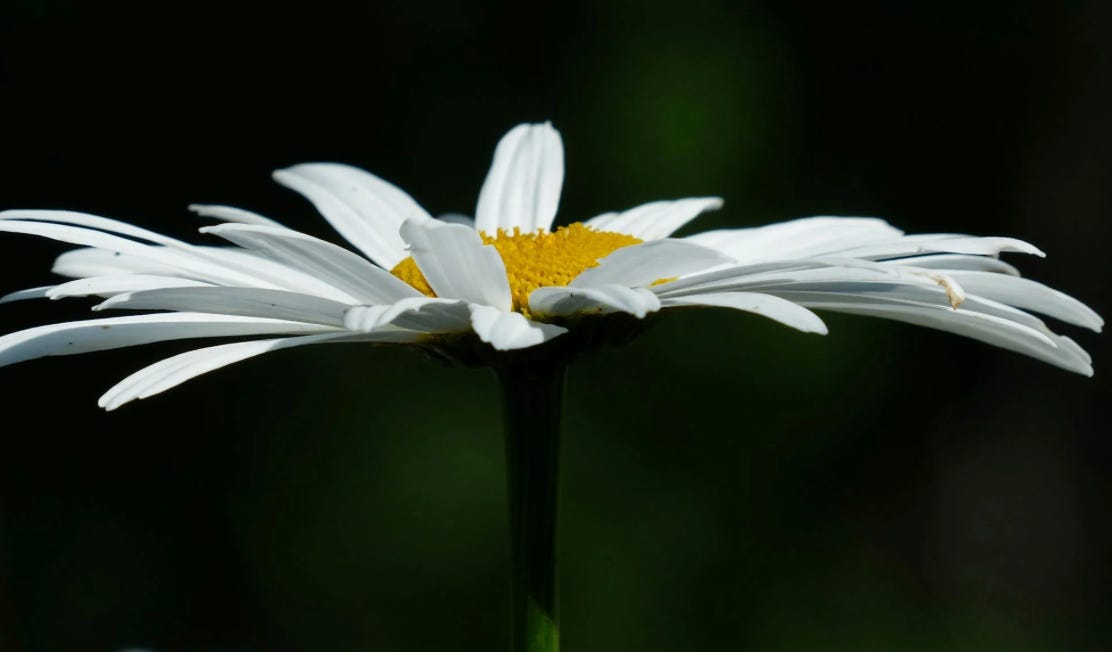
Photo by Pixabay, Pixels.com.
The cultivation of the earth offers profound benefits to the gardener that go far beyond growing plants.
Here’s what cultivating the earth does for the gardener on multiple levels — physical, emotional, mental, and spiritual:
1. Physical Well-Being
Provides gentle exercise that improves strength, flexibility, and stamina.
Encourages outdoor activity, increasing exposure to fresh air and sunlight, which supports vitamin D production.
Engages fine motor skills through planting, weeding, and harvesting.
2. Emotional Health
Acts as a natural stress reducer, calming the nervous system and lowering cortisol levels.
Fosters feelings of accomplishment and satisfaction through visible growth and harvest.
Offers a therapeutic outlet for anxiety, grief, or frustration through connection with nature.
3. Mental Clarity
Enhances focus and mindfulness by requiring attention to detail and present-moment awareness.
Boosts problem-solving skills as gardeners troubleshoot soil, pests, and plant health.
Provides a peaceful space for reflection and creative thinking.
4. Spiritual Growth
Deepens a sense of connection to the cycles of life, death, and renewal in nature.
Cultivates patience and humility by working with natural rhythms beyond one’s control.
Encourages reverence for the earth as a living, nurturing entity.
5. Sense of Purpose and Empowerment
Builds confidence through self-sufficiency in growing food or nurturing beauty.
Cultivates stewardship and responsibility toward the environment.
Creates meaningful rituals and rhythms that anchor daily life.
6. Social Connection
Can foster community through shared gardening projects or knowledge exchange.
Provides opportunities for teaching, learning, and mentoring.
In essence:
Cultivating the earth nurtures the gardener’s body, mind, heart, and spirit. It is an intimate act of partnership with the natural world that fosters growth within as surely as it does in the soil. Through tending the earth, gardeners grow themselves — becoming more grounded, resilient, compassionate, and aligned with the rhythms of life.
Gardening as a Path to Inner Nature Development
Mindfulness Training – Gardening draws attention to the present moment through sensory engagement with soil, plants, and weather.
Patience Cultivation – Watching seeds sprout and grow teaches the value of time and natural pacing.
Observation Skills – Regularly noticing subtle changes in plants heightens awareness of detail and change.
Connection to Cycles – Planting, growth, harvest, and dormancy mirror life’s natural rhythms, fostering acceptance of change.
Grounding & Centering – Physical contact with the earth helps regulate emotions and create a sense of stability.
Resilience Practice – Responding to plant losses or pest damage builds adaptability and emotional strength.
Responsibility & Care – Consistent watering, pruning, and weeding reinforce accountability and follow-through.
Creativity Expression – Garden design and plant selection allow personal artistry to merge with natural patterns.
Sensory Awareness – Engaging sight, smell, touch, taste, and hearing deepens sensory connection to the environment.
Gratitude Cultivation – Harvesting food or flowers builds appreciation for nature’s gifts.
Stress Reduction – Physical movement, fresh air, and plant interaction lower stress hormones.
Attunement to Natural Rhythms – Gardening syncs you with the seasons, daylight shifts, and weather patterns.
Problem-Solving Skills – Diagnosing plant issues encourages practical thinking and resourcefulness.
Life Cycle Understanding – Seeing birth, growth, reproduction, decay, and renewal firsthand fosters acceptance of life’s impermanence.
Empathy Development – Caring for living things nurtures compassion and tenderness toward all beings.
Mind–Body Connection – The physical activity of gardening aligns bodily movement with mental focus.
Persistence & Dedication – Tending a garden over months or years strengthens commitment and follow-through.
Eco-Awareness – Gardening teaches ecological interdependence and respect for biodiversity.
Self-Sufficiency Confidence – Growing your own food or herbs builds self-trust and empowerment.
Reflection Space – Quiet time in the garden encourages contemplation and introspection.
Symbolic Insight – Plants often mirror personal growth stages, offering metaphors for self-understanding.
Nourishment of Hope – Planting seeds represents belief in the future and in unseen potential.
Ritual & Sacred Practice – Gardening can become a personal ritual, reinforcing spiritual connection to the earth.
Healing & Restoration – Contact with plants and soil supports emotional and physical healing processes.
Joy in Simple Pleasures – Finding delight in blossoms, fresh produce, or the smell of rain fosters everyday happiness.
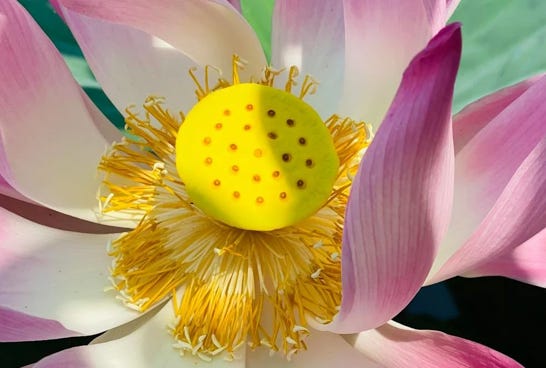
Photo by Ruben Sukateendel, Pexels.com
HumaNatureConnect Activity
Daytime Activity: “Cycle of Care Garden Walk”
Purpose:
To experience how gardening fosters inner nature development by directly engaging with the living cycles, challenges, and gifts of a garden space.
Steps:
Choose a Living Space – This could be a home garden, a community plot, or a public botanical garden.
Start with Stillness – Spend 3–5 minutes quietly observing your surroundings, breathing deeply, and noticing the scents, sounds, and light.
Walk the Garden Slowly – Move along the paths or rows, paying close attention to signs of growth, decay, renewal, and diversity.
Tend to One Plant – Choose one plant that catches your attention. Weed around it, water it, prune dead leaves, or otherwise give care.
Reflect on Parallels – Ask yourself: What in my inner life needs this same kind of care? What needs pruning? What needs more nourishment?
Record an Insight – Write one sentence in a small notebook about what you learned from this plant’s condition and your role in its well-being.
Leave a Gratitude Gesture – Place a stone, feather, or other natural token near the plant to symbolize appreciation.
Connection to Inner Nature Development:
Builds resilience by confronting imperfections and needs in the garden.
Encourages harmony by synchronizing your pace with natural rhythms.
Sharpens clarity through focused observation and reflective questioning.
Cultivates fulfillment by creating a tangible moment of care and gratitude.


Photo by Cottonbro, Pexels.com.
Nocturnal Pilgrimage
Nighttime Activity: “Dreamseed Reflection”
Purpose:
To deepen the inner nature development initiated during daytime gardening by planting the day’s insights into your subconscious, encouraging them to grow through dream imagery.
Steps:
