


Photo by Constanze Marie, Pixels.com.
Key Assertions That Help To Summarize This Article:
For the same reason that one can never step into the same river twice (because there is always newness presenting itself) one has to always think and act anew.
Great improvements in deeds require great changes of mind.
The sooner we humans limit our reproduction through voluntary personal decisions based on individual intentions the less likely it is that we will all be subjected to involuntary social controls based on collective rules or laws.
Actual factual consequences of our old line of thinking will determine the viability of old-time moral and ethical codes.
Any ethic is doomed if its practice causes those who live by it to perish and take their cherished moral notions with them.Abraham Lincoln said: “As our case is new, we (have to) think and act anew. We (have to) disenthrall ourselves…” That is precisely what I hope to do here: help the course participant become disenthralled with some commonly held ethical assertions and help the course participant replace certain outmoded and discredited views with new ways of seeing, thinking, being, and acting.
Great improvements in deeds require great changes of mind. We may think that we are entitled to grow richer, consume more, and generate large amounts of waste. Such thinking leads to problems. Nature will show us that we cannot grow as a species indefinitely. Everyone causes resource depletion.
The world’s ecosystem cannot support the consequences of our old line of thinking. Even the human right to reproduce without limits is questionable when such a right contributes to ecological collapse. The sooner we humans limit our reproduction through voluntary personal decisions based on individual intentions the less likely it is that we will all be subjected to involuntary social controls based on collective rules or laws.
Actual factual consequences of our old line of thinking will determine the viability of old-time moral and ethical codes. Actual consequences can nullify value judgments.
Moral theories that lead to ecological demise are counterproductive. Any ethic is doomed if its practice causes those who live by it to perish and take their cherished moral notions with them.
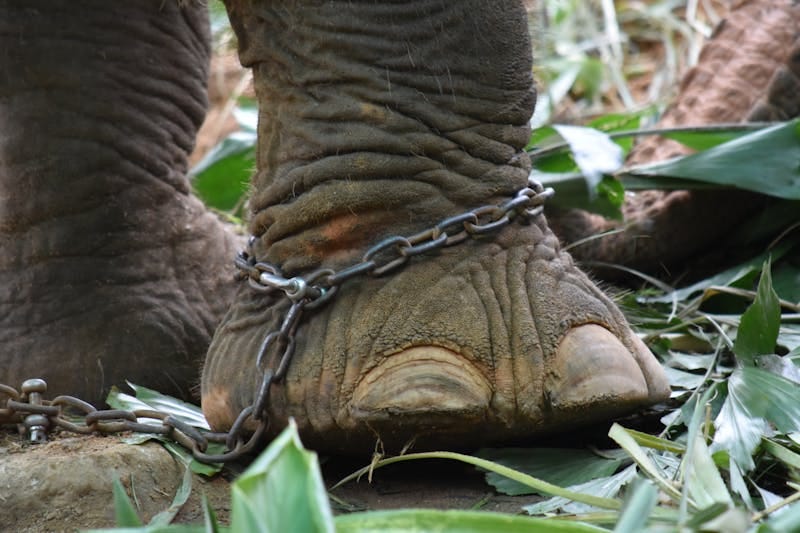
Stephen Streudeers, Pexels.com.
HumaNatureConnect Activity
Pertaining To You, Principles, And Tough Ethics
For this activity, look around for examples of the following principles in nature: oneness, dynamic balance, cyclical growth, and harmonious action. Then, look for examples of the following six ethical subjects in your chosen natural scene or in your memories from your own life: selflessness, moderation, embracing the mystery, non-contrivance (best summarized as a warning about consciously manipulated morality), detachment, and humility.
By reading the results of juxtaposing the principles to the ethic and by recording examples of your own related experiences or ideas, this exercise will be both systematically broad and comprehensive yet reflective of your own unique experiences and ideas.
