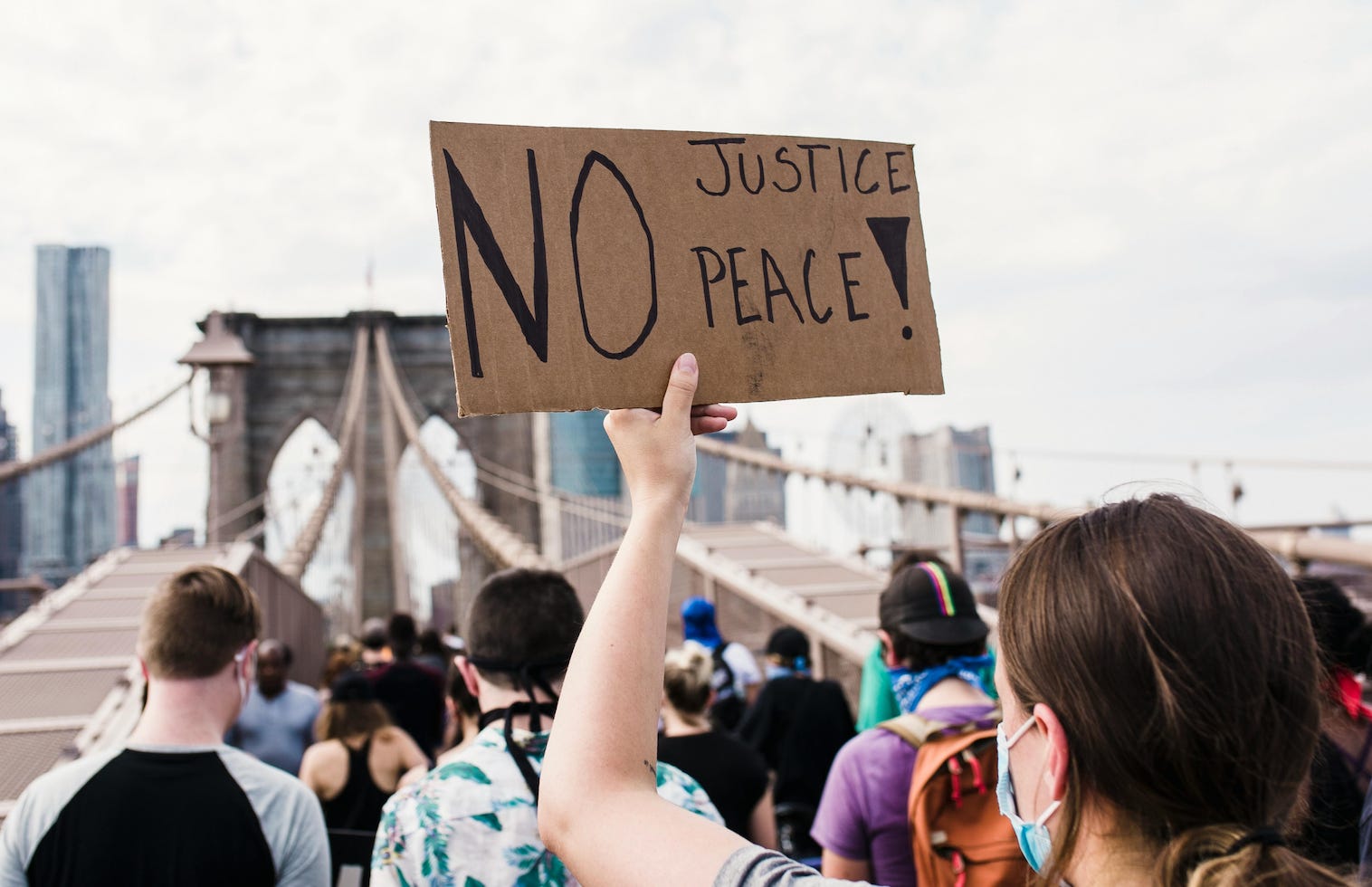
Photo by Life Matters, Pexels.com.
Assertions = People often feel disoriented not because they lack convictions, but because public life pulls their attention toward conflict, urgency, and oversimplified choices + People regularly find themselves reacting to external pressures rather than responding from their own grounded sense of what is true + People regain inner orientation when they learn to notice how public tensions shape their inner life and choose responses that reflect their own deeper steadiness rather than the surrounding noise
Our mission here at the 9 o’clock Orientation Branch is to help the individual recognize the difference between the pressures of the public sphere and the quieter guidance of their own inner life, so they can stay oriented from within even when the world around them is polarized or demanding.
Doing so advances all of the purposes of the Heartwood Path (moral development, burnout prevention, gleaning trusted truths in nature, and nature regeneration), because staying oriented helps with everything.
Here’s a detailed breakdown:
1. Climate Change and Environmental Justice
Challenges:
Partisan polarization, lobbying by fossil fuel interests, and short-term economic fears.
Required Political Reform:
Campaign finance transparency to reduce corporate influence.
Carbon pricing or environmental regulatory frameworks.
Strengthened legislative mechanisms for environmental justice, giving marginalized communities voice in decisions.
2. Universal Healthcare / Expanded Social Safety Net
Challenges:
Ideological opposition, high costs, fragmented system, insurance industry lobbying.
Required Political Reform:
Reform of healthcare financing and federal-state coordination.
Greater transparency in lobbying and insurance practices.
Possibly structural reforms to increase federal control or mandate coverage.
3. Criminal Justice and Police Reform
Challenges:
Federalism (states control most law enforcement), entrenched local police unions, partisan divides over “law and order.”
Required Political Reform:
Standardized federal accountability mechanisms.
Reform of lobbying and campaign influence by unions or interest groups.
Transparency and data-driven oversight to ensure policies are enforced.
4. Voting Rights and Electoral Reform
Challenges:
Highly partisan, state-by-state control of voting, gerrymandering, and voter ID laws.
Required Political Reform:
Independent redistricting commissions.
Federal standards for voting access, registration, and counting procedures.
Anti-gerrymandering measures and campaign finance reform.
5. Affordable Housing and Homelessness
Challenges:
Zoning laws controlled locally, real estate lobbying, fiscal constraints.
Required Political Reform:
Federal incentives to change restrictive local zoning.
Expansion of public-private housing initiatives.
Coordinated social service and health infrastructure support.
6. Racial Wealth and Economic Inequality
Challenges:
Structural inequalities, tax code complexities, resistance from affluent stakeholders.
Required Political Reform:
Progressive taxation and inheritance reform.
Policies addressing systemic barriers in education, employment, and capital access.
Enhanced data collection to target interventions.
7. Paid Family Leave and Childcare Access
Challenges:
Federal vs. state jurisdiction, opposition from small businesses and conservatives, budgetary constraints.
Required Political Reform:
National mandate or federal incentives for paid leave.
Subsidized childcare programs or vouchers.
Integration with workforce development and tax policy.
8. Comprehensive Mental Health Care
Challenges:
Stigma, fragmented insurance coverage, limited federal funding.
Required Political Reform:
Unified federal standards for mental health parity.
Increased funding for community-based care.
Incentives for training and retaining mental health professionals.
9. Gun Safety and Regulation
Challenges:
Second Amendment advocacy, strong lobbying (NRA, gun manufacturers), partisan divides.
Required Political Reform:
Campaign finance reform to reduce lobbying influence.
Federal standardization of background checks and firearm sales regulations.
Cultural and educational programs to shift norms around gun use.
10. Immigration and Pathways to Citizenship
Challenges:
Partisan polarization, enforcement vs. humanitarian debate, federal-state tension.
Required Political Reform:
Streamlined immigration courts and administrative processes.
Federal alignment of enforcement, labor, and humanitarian policies.
Broader public engagement to reduce xenophobic narratives and misinformation.
Summary
These issues cannot rely on incremental bills alone; they require structural political reform, coalition-building, and systemic changes.
Common barriers include partisan polarization, entrenched lobbying, federal-state conflicts, and cultural resistance.
Political reform that enhances accountability, transparency, civic engagement, and multi-level collaboration is usually a prerequisite for effective legislation.
Here we will examine how much political reform is required before meaningful legislation can realistically be enacted in the U.S. I’ve divided them into three tiers: Tier 1 – Moderate Reform Needed (Feasible with current structures) Issue Why Moderate Reform Works Paid Family Leave & Childcare Can be enacted with federal incentives and state-federal coordination; partisan support exists in some states. Affordable Housing & Homelessness Local zoning laws are a barrier, but federal subsidies and policy alignment can make progress. Comprehensive Mental Health Care Fragmented system is the main hurdle; parity laws and funding expansions are feasible. Tier 2 – Substantial Reform Needed (Requires structural or multi-level change) Issue Reform Requirements Voting Rights & Electoral Reform Independent redistricting, federal voting standards, campaign finance reform. Immigration & Pathways to Citizenship Federal alignment, administrative reform, political consensus-building. Criminal Justice & Police Reform Federal oversight, standardized accountability, union and lobbying reform. Racial Wealth & Economic Inequality Tax code changes, structural access to capital, educational and employment reforms. Tier 3 – Deep Systemic Reform Needed (Major political overhaul required) Issue Why Deep Reform Is Required Climate Change & Environmental Justice Corporate influence, partisan polarization, and systemic economic dependencies demand deep lobbying, financing, and regulatory reform. Gun Safety & Regulation Constitutional rights, strong lobbying, cultural norms require long-term structural and societal shifts. Universal Healthcare / Expanded Social Safety Net High costs, ideological opposition, and fragmented system demand systemic financing reform and federal-state coordination. Interpretation Tier 1 issues: Can be advanced incrementally; moderate political will plus policy alignment can succeed. Tier 2 issues: Require structural reform, coalition-building across parties, and multi-level governance adjustments. Tier 3 issues: Need deep systemic overhaul, cultural shifts, and major reform of lobbying, campaign financing, or federal-state frameworks.
Key Insight: Political reform acts as a prerequisite filter — some social issues can pass with moderate adjustments, while others cannot realistically advance without altering the foundational mechanics of governance, lobbying influence, and partisan behavior.
HumaNatureConnect Activity
The Three Circles of Reform
Purpose:
To illustrate Tier 1 (moderate), Tier 2 (substantial), and Tier 3 (deep systemic) reforms through hands-on outdoor exercises, showing how different levels of effort are required to create meaningful change — just as in politics.
Set-up
Find a natural area with three concentric circles marked out (stones, rope, or paths in dirt).
Each circle represents a tier of reform.
The group progresses through each circle, performing a task that mirrors the reform depth.
Tier 1: Moderate Reform – Quick Adjustments
Task: Remove small obstacles (sticks, trash, weeds) from the inner circle.
Reflection: This represents how issues like paid family leave or mental health care can be improved with targeted, manageable adjustments.
👉 Lesson: Small, practical changes can visibly improve conditions.
Tier 2: Substantial Reform – Structural Effort
Task: Build a cooperative structure inside the middle circle (e.g., arrange stones into a pattern, weave branches into a shelter, or form a water channel).
Reflection: This requires teamwork, planning, and coordination, just like voting rights reform or criminal justice reform.
👉 Lesson: Mid-level reforms demand new systems and sustained collaboration, not just quick fixes.
Tier 3: Deep Systemic Reform – Transformation
Task: As a group, attempt a more demanding challenge outside the largest circle — e.g., clear a fallen log from a trail, move heavy rocks, or restore a section of land.
Reflection: The task is slow, strenuous, and requires persistence, like climate change action, gun reform, or universal healthcare.
👉 Lesson: Systemic reform calls for cultural shifts, endurance, and collective transformation.
Closing Circle
Gather everyone at the center.
Ask:
Which task felt easiest?
Which required the most collaboration?
How does this mirror the way reforms succeed or stall in real politics?
Key Insight: Just as in ecosystems, some changes are simple (Tier 1), some need structural redesign (Tier 2), and some demand transformative, long-term resilience (Tier 3).
Essential Readings:
• […]
• […]

Recommended Readings:
• […]
• […]
• […]
• […]

For additional readings, visit Heartwood Path Beat.