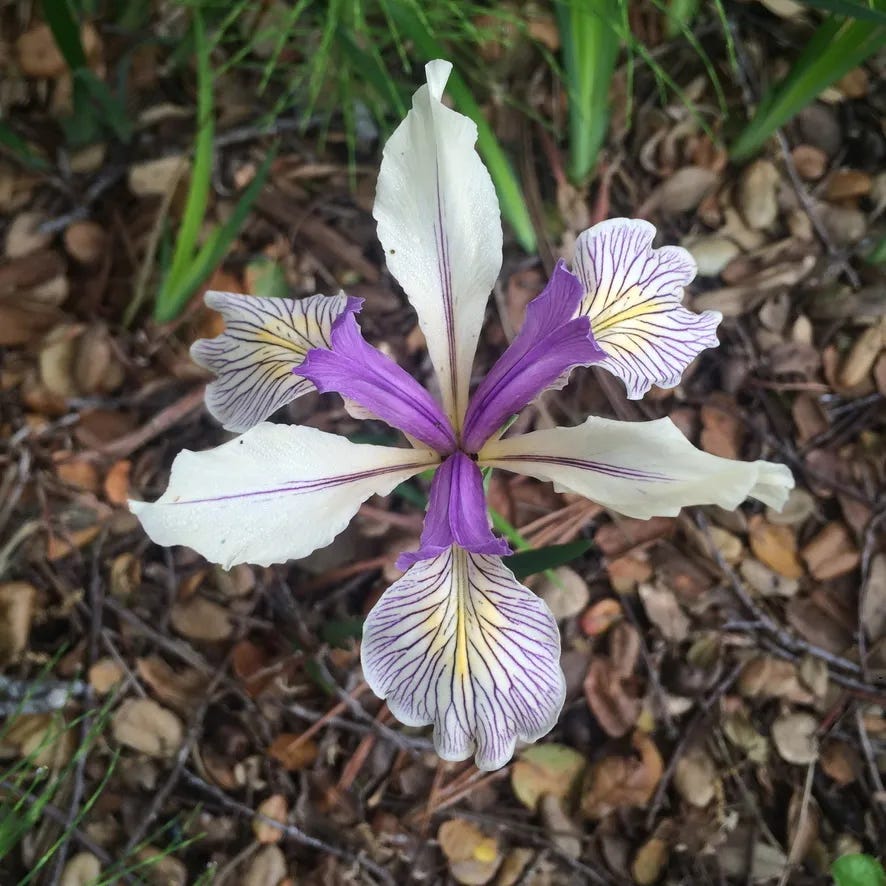
Photo by Don Pierce
Ecological psychology understands identity as an active part of its surroundings—shaped by inner experience, supported by daily environments, and expressed most clearly in nature. This integrated checklist gathers twenty ecological actions that link these three layers into one motion: inner cues that stabilize the self, domestic practices that anchor daily life, and nature‑based expressions that restore ecological coherence. Each action is simple, repeatable, and designed to help your identity move more fluidly across home, habitat, and the wider natural world. Together, they form a practical, embodied way of living with greater steadiness, clarity, and ecological presence.
ENERGY ECOLOGY
How identity stabilizes, directs, and descends its ecological energy.
1. Identity Visibility Integration
Your identity becomes visible through tone, posture, and presence. Support this at home by clearing a small surface or dimming lights before interactions. Deepen it in nature by noticing how your identity becomes visible when stepping into a forest or onto a beach. Visibility becomes an ecological motion across inner, domestic, and wild environments.
2. Visibility Alignment Integration
Align your outer expression with your interior stance. At home, match your pace to your breath. In nature, match your pace to terrain — slowing on moss, widening stride on sand. Alignment becomes a full‑ecology practice.
3. Quiet Turn Integration
Sense the moment your identity turns inward. Support it domestically by lowering lights or reducing noise. Deepen it in nature by entering a grove or canyon at dusk. The Quiet Turn becomes a whole‑habitat descent.
4. Quiet Descent Integration
Let your identity descend into stillness. At home, sit quietly before bed. In nature, place your hand on earth or listen to water. Descent becomes embodied across environments.
DIVERSITY ECOLOGY
How identity expands, stabilizes, and composts its diverse motions.
5. Silhouette Stability Integration
Your silhouette stabilizes through posture and breath. Support it domestically by adjusting your workspace to open your stance. Deepen it in nature by standing among trees or facing the ocean. Silhouette becomes ecological.
6. Stability Descent Integration
Settle your stance before interactions. At home, pause and let shoulders drop. In nature, let your posture lengthen on a ridge or soften in a meadow. Stability becomes a multi‑layer descent.
7. Quiet Integration Integration
Sense what is composting inside you. Support it domestically with slow dishwashing or a quiet walk. Deepen it in nature by walking through forest after a conversation. Integration becomes ecological composting.
8. Integration Descent Integration
Let identity reorganize itself. At home, dim lights and sit still. In nature, sit under a tree or beside water. Descent becomes a full‑ecology motion.
RENEWAL ECOLOGY
How identity refreshes, softens, and restores itself.
9. Presence Renewal Integration
Presence renews itself through small moments. Support it domestically by opening a window or stepping outside briefly. Deepen it in nature by sitting near moving water. Renewal becomes ecological.
10. Presence Grounding Integration
Ground your presence through breath and tone. At home, take one slow breath before responding. In nature, let forest canopy or wind steady your nervous system. Grounding becomes habitat‑based.
11. Quiet Renewal Integration
Sense what can dissolve. Support it domestically by softening your environment — clutter, light, sound. Deepen it in nature by letting dew, fog, or shade soften your nervous system. Renewal becomes ecological.
12. Renewal Descent Integration
Let renewal happen without direction. At home, lie down and release tension. In nature, sit at dawn or dusk and let landscape renew you. Renewal becomes a full‑ecology descent.
CHANGE ECOLOGY
How identity maintains continuity across shifting environments.
13. Continuity Expression Integration
Sense how your identity remains itself across environments. Support it domestically by carrying a small object (stone, notebook) between rooms. Deepen it in nature by noticing continuity across beach, forest, canyon. Continuity becomes ecological.
14. Continuity Alignment Integration
Adjust pace or tone without losing identity. At home, soften your voice in quiet spaces. In nature, adjust posture to terrain — upright on ridges, grounded in forests. Alignment becomes habitat‑responsive.
15. Quiet Continuation Integration
Notice what continues beneath stillness. Support it domestically with a nightstand ritual or water glass. Deepen it in nature by sensing continuation in waves, wind, roots. Continuation becomes ecological.
16. Continuation Descent Integration
Let continuation happen naturally. At home, release intention before sleep. In nature, sit in a canyon or meadow and let identity continue quietly. Descent becomes landscape‑supported.
RELATIONSHIP ECOLOGY
How identity expresses personhood and relational coherence.
17. Personhood Visibility Integration
Personhood becomes visible through coherence. Support it domestically by entering rooms with steady tone. Deepen it in nature by walking with grounded presence through forest or along shore. Personhood becomes ecological.
18. Personhood Grounding Integration
Ground your mature identity. At home, soften stance before conversations. In nature, stand at a viewpoint or under a tree. Grounding becomes habitat‑anchored.
19. Quiet Personhood Integration
Sense personhood in stillness. Support it domestically by sitting quietly without fidgeting. Deepen it in nature by sitting motionless at dawn. Personhood becomes ecological stillness.
20. Personhood Descent Integration
Let identity be itself without expression. At home, rest without performing. In nature, lie on earth or sit in a grove. Descent becomes full‑ecology personhood.
These twenty actions are meant to be practiced slowly, without pressure or urgency, the way a landscape changes across seasons rather than days. You can begin anywhere—one inner cue, one domestic adjustment, one moment in nature—and let the others follow in their own time. Ecological psychology is not a method to master but a way of inhabiting your environments with greater steadiness and coherence. As these actions settle into your daily life, your identity will begin to move more fluidly across home, habitat, and the wider natural world, forming a quiet continuity that supports every part of your inner ecology.
In practicing these twenty ecological actions, you step into the same architectural lineage that shaped the ancient codices—living not from a method, but from a world that can be entered, inhabited, and renewed.