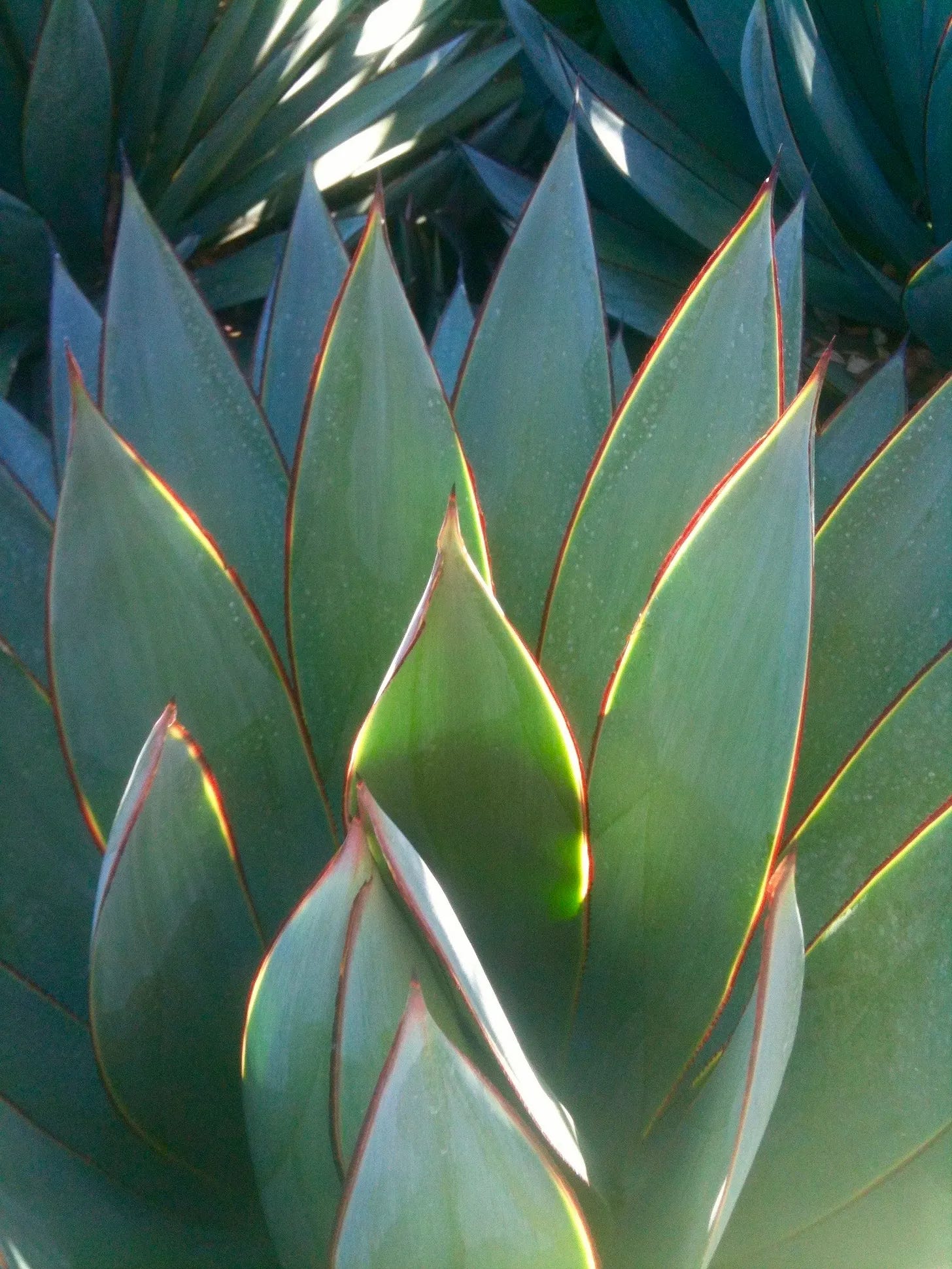
Photo by Don Pierce
We live in the world, not outside it.
We are individuals with unique gifts — but we are also beings woven into a larger fabric of relationships.
Egos explored the individual self.
Ecos begins the unfolding into the Greater Self — the part of you that includes your relationships, your affiliations, and your ecological identity.
You are not only a person with an inner life.
You are also a creature embedded in the natural and cultural world.
To flourish, you must develop both dimensions: the individual self and the interbeing self.
This course is about awakening the ecological portion of your Self — the part that sees more, includes more, and acts from a wider perspective.
When your frame of reference expands, your potential expands with it.
Ecological awareness enlarges who you are.
It allows you to see the whole, and therefore protect the whole.
Without this expanded perspective, environmental action remains shallow and happiness remains fragile.
The Heartwood Path is long because the topic is deep.
We cannot solve today’s problems with yesterday’s perspectives.
Environmental safeguards are fragile.
Global issues are overwhelming.
Happiness feels fleeting.
But better days lie ahead — if we are willing to make two essential shifts:
1. Treat nature as a fellow subject, not an object.
Environmentalism fails when nature is treated as scenery or resource.
It succeeds when nature is treated as kin.
2. Develop the Universal Self alongside the individual self.
Most people build their individuality but never expand into ecological identity.
This course corrects that imbalance.
These two shifts — ecological subjectivity and expanded selfhood — are the foundation of a magnificent future.
Ecos will guide you through both.
HumaNatureConnect Activity
Setting Yourself on a Course Toward Gladandgreen Junction
To begin this unfolding, reflect on three movements:
1. The world is not a storehouse — it is part of consciousness.
Write a brief personal story that illustrates how your relationship with nature has shaped your sense of self.
2. Change “I think, therefore I am” to “I care, therefore I am.”
Notice how your identity shifts when caring becomes the center of your being.
3. Practice “Awakened Doing.”
Each day, decide how you want to feel — calm, accomplished, connected — and build your actions around those feelings.
Let your desired inner state guide your outer behavior.
4. Notice the ecological signals around you.
Resource depletion, pollution, widening inequality, infrastructure decay — these are not abstract issues.
They are symptoms of ecological overshoot.
Seeing them clearly is the first step toward meaningful action.
Nocturnal Pilgrimage
Dreamwork and the Ecological Self
Your unfolding continues at night.
Dreams and waking life are interconnected.
Dreams often carry ecological wisdom — communing, destruction, healing — and reveal your relationship with the Earth.
As you move through Ecos, pay attention to dreams that:
restore kinship
reveal grief
portray healing through balance
These dreams support the awakening of your ecological identity.