

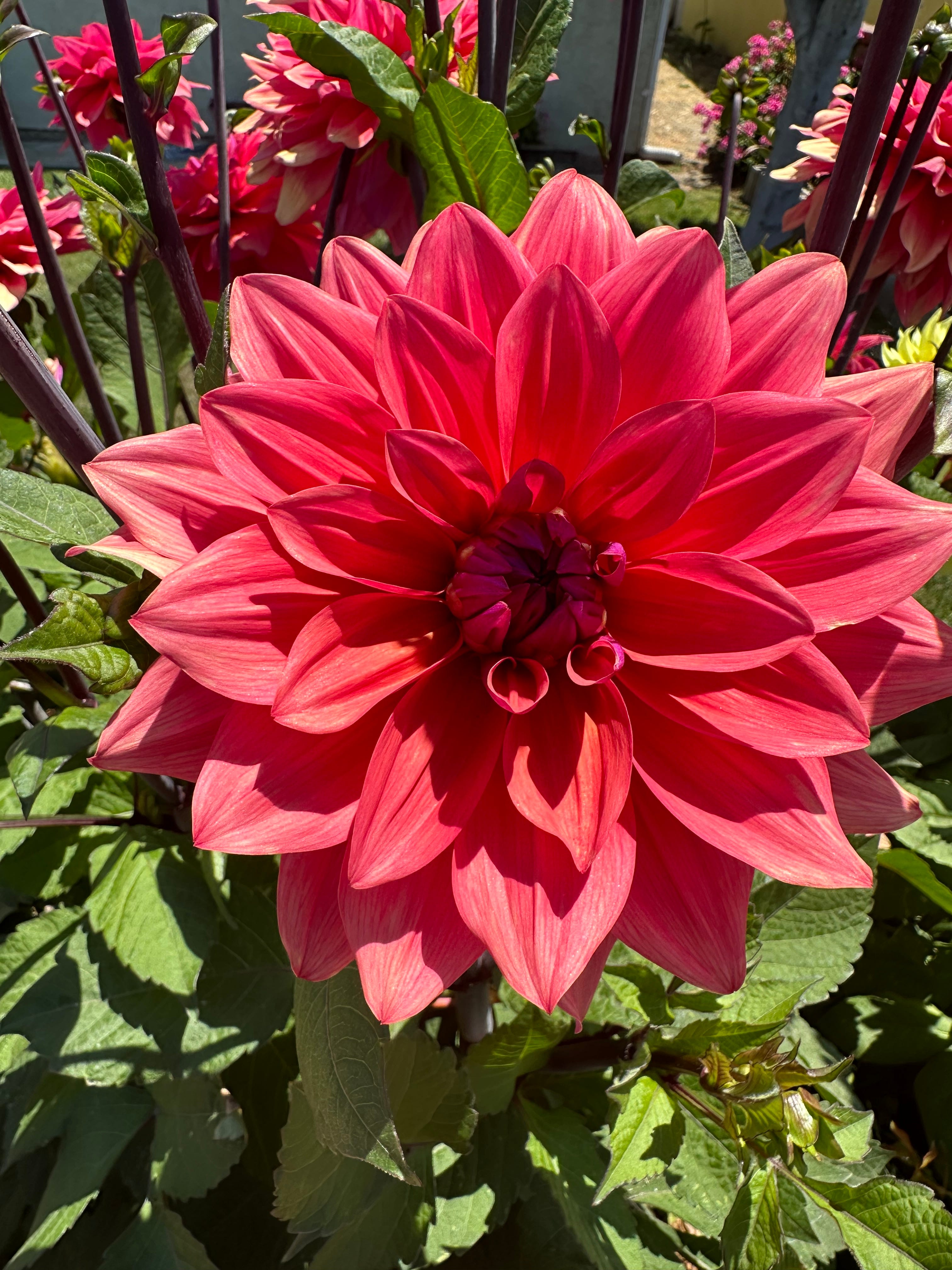
All photos by Don Pierce, unless noted otherwise.
It is important to maintain long-term productivity and well-being by balancing passion for work with practicality, especially when undertaking emotionally or physically challenging endeavors. This framework focuses on setting limits, taking breaks and practicing self-compassion, as well as maintaining a rhythmic rest, activity and sleep.
1. Setting Boundaries
To protect your energy, boundaries are necessary to maintain focus and preserve your energy:
Set clear limits Decide on how much energy and time you are willing to devote to a particular passion, without compromising your health, relationships or other commitments.
Learn to say "no" to extra commitments when you need to: You can learn to say no to any additional commitments which exceed your capacity. This will help you avoid overextending yourself and maintain the quality of your current endeavors.
Make Priority Lists: Use tools such as the Eisenhower Matrix in order to prioritize what is urgent, important and urgent while delegating non-essential or delayed tasks.
Create blocks of time: Define specific times for work, play, and rest. Keep to these schedules to prevent passion-driven activities from spilling over into personal time or recovery time.
2. Taking Breaks
Breaks are essential for mental and physical wellbeing:
Use Pomodoro Technique. Work for 25 minutes and then take a 5 minute break. After four cycles, you can take a longer break of 15-30 minutes.
Include movement During breaks stretch, go for a walk or do some light exercises to recharge both your body and brain.
Take a complete break.
Disconnect yourself from technology: Take a break from the screens and engage in activities such as gardening, drawing or cooking.
3. Practicing Self-Compassion
Self-compassion can help you overcome setbacks, and reduce harsh self-criticism.
Recognize feelings It's OK to feel tired, frustrated or overwhelmed. It is important to acknowledge these feelings without judgement.
Practice mindfulness : Reflect on thoughts and feelings without attachment to them. Journaling or meditation can be a good way to process stress.
Be kind to yourself Replace critical self-talk by affirming and nurturing language. You should treat yourself like you would a friend.
Recognize progress : Celebrate small victories and acknowledge your efforts, even if the results aren't ideal.
4. Maintaining an Interval of Rest and Activity
It is important to find the right balance between effort and recovery.
Plan a period of rest for every period where you are working hard. After a week's worth of intense effort, you might take a rest day or a leisurely day.
Align yourself with the natural cycle: Be aware of your energy levels and circadian rhythms throughout the day. Schedule challenging tasks during periods of peak energy and restful activities in times of lull.
Take active rest: Switch between intense activities and restorative activities, such as creative hobbies or outdoor exploration.
Sleep hygiene : Give priority to quality sleep for physical and mental recovery. Create a regular bedtime and an environment conducive for rest.
Reflection and Adjustment
Assess your routines regularly to make sure they are supporting your passion and energy.
Ask yourself this question: Do I work with passion and purpose or am I driving my self toward burnout?
As your life changes, be open to adjusting your boundaries, your break schedules or your self-care habits.
By balancing your passion and practicality, not only do you safeguard your health but also increase the longevity and depth of your contributions in your passion-driven endeavors.
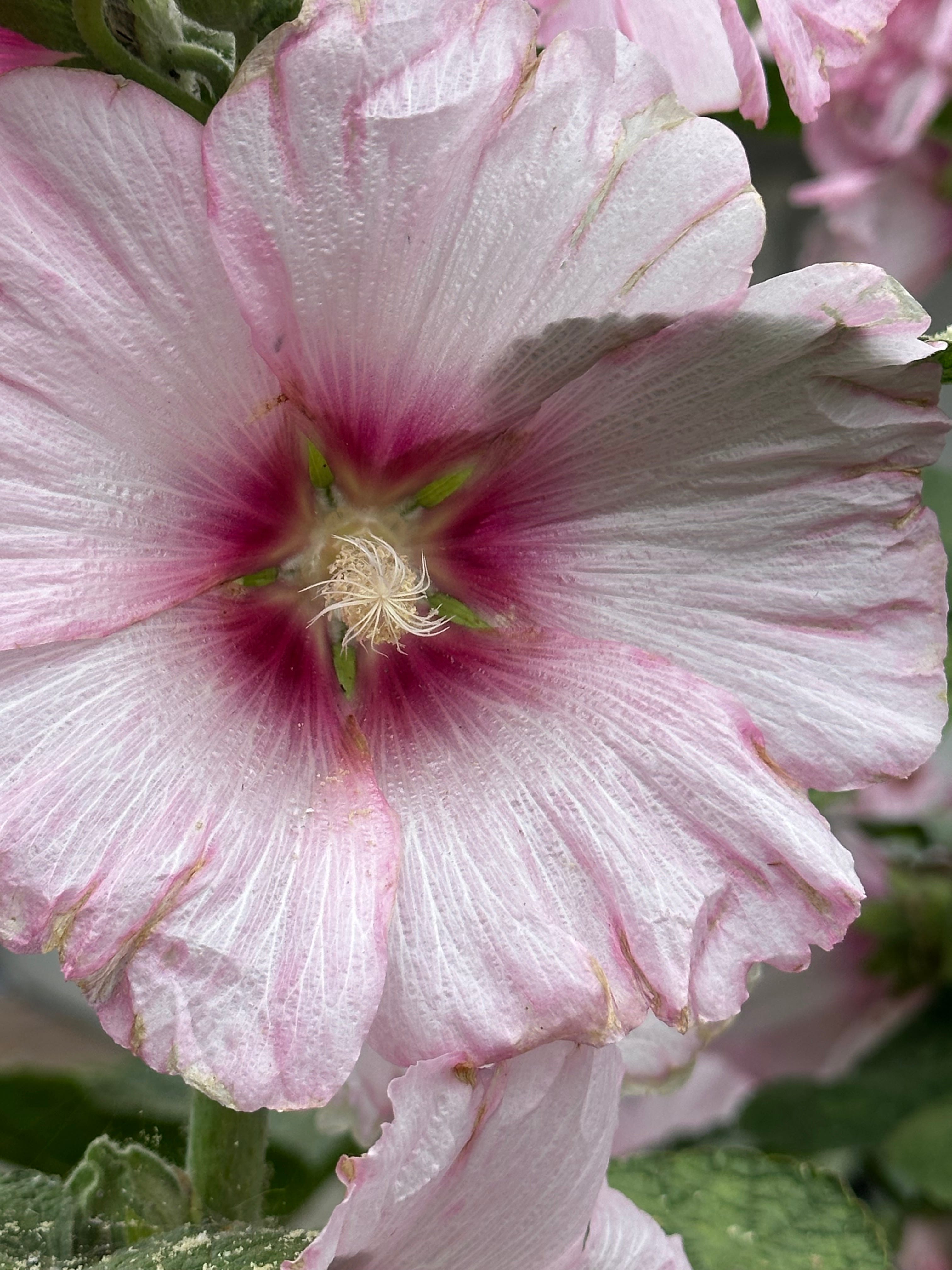
HumaNatureConnect Activity
Balance practicality and passion can be likened to being a drummer playing in a nature's orchestra. You have to keep the rhythm steady but also know how to riff when you need to, rest when necessary, and let the cicadas steal the show when they want to. How to maintain your rhythm without wearing out your sticks or yourself.
