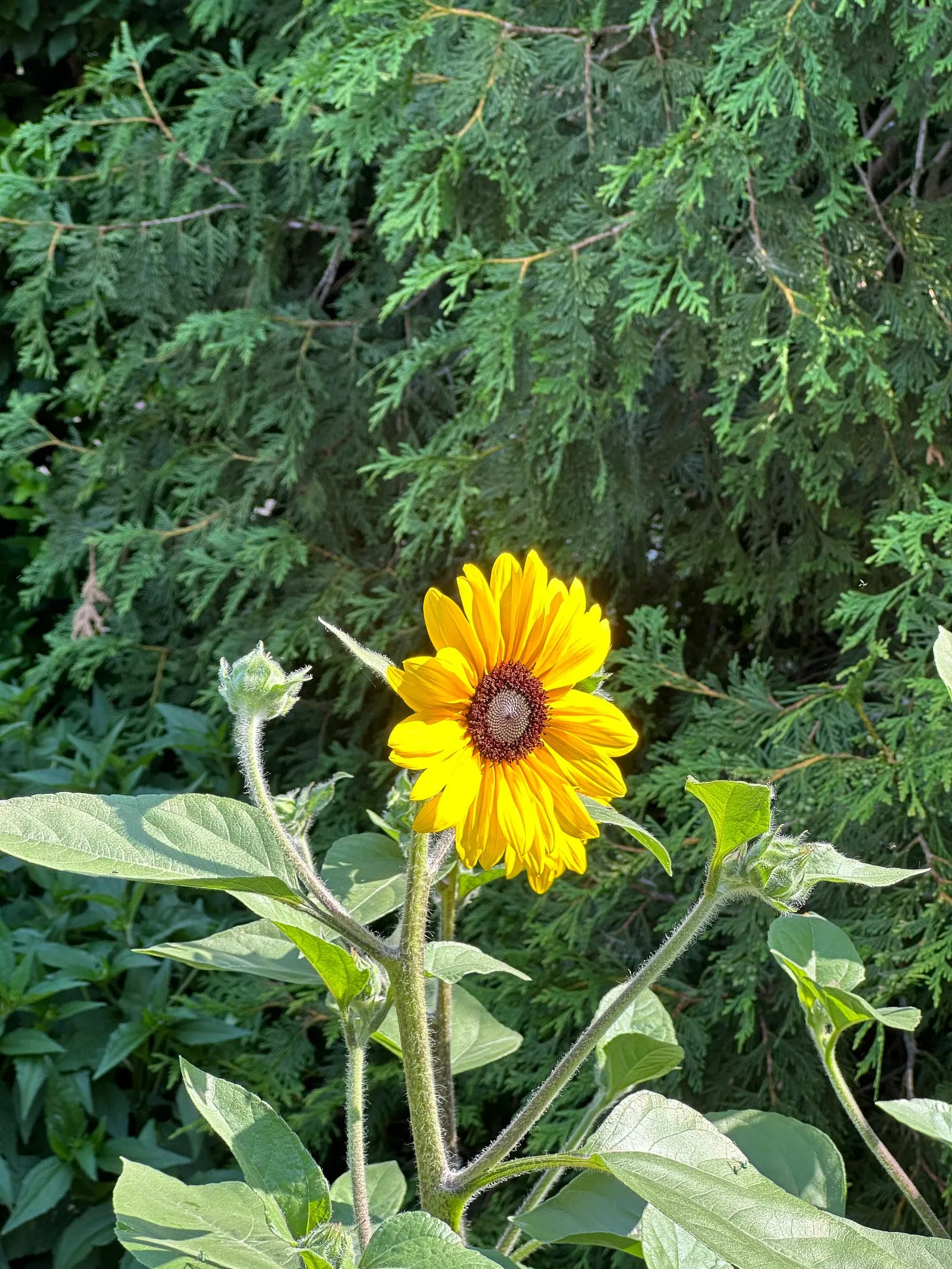
Photo by Don Pierce
Nature can steady the breath.
It can soften fear.
It can widen the world when the mind feels small.
It can offer companionship without judgment, pressure, or expectation.
But nature cannot do everything.
There are moments when someone is so overwhelmed, so frightened, or so lost inside their own thoughts that nature alone cannot hold them. In those moments, what they need is not a single source of support, but a circle of care — a network of people, practices, and environments that work together to keep them safe, grounded, and connected.
This installment is about how to build that circle.
Not as a replacement for nature,
and not as a replacement for professional help,
but as a way of weaving all forms of support into something strong enough to hold a human life.
Why Nature Alone Cannot Carry Everything
Nature is powerful, but it is not magic.
It cannot:
untangle overwhelming thoughts
resolve deep emotional wounds
replace human connection
provide crisis support
offer long‑term structure
hold someone through every moment of fear
Nature is a companion — not a cure.
It is one voice in the chorus of healing, not the entire song.
Recognizing this is not a failure.
It is wisdom.
What a Circle of Care Looks Like
A circle of care is a network, not a single point of support.
It includes:
trusted people
safe environments
grounding practices
professional guidance when needed
nature‑based steadiness
daily rhythms that support stability
Each part plays a different role.
No single part has to do everything.
This is what makes the circle strong.
Nature’s Role in the Circle
Nature provides:
grounding
sensory stability
non‑judgmental presence
emotional softening
a place to breathe
a place to step away from pressure
But nature works best when paired with:
supportive relationships
consistent routines
safe spaces
compassionate communication
professional care when appropriate
Nature is the foundation, not the whole structure.
A Practice: The Safety Plan Walk
This practice helps someone build a circle of care while walking in a natural space.
It is gentle, non‑confrontational, and grounding.
Step 1 — Walk slowly in a natural environment.
A yard, a park, a trail, a beach.
Step 2 — Identify three things in nature that feel safe.
A tree, a patch of grass, a stone, a horizon line.
Step 3 — Identify three people who feel safe.
A friend, a family member, a neighbor, a caregiver.
Step 4 — Identify three actions that help you feel steady.
Breathing, stepping outside, touching something real.
Step 5 — Identify one place to go when things feel overwhelming.
A quiet room, a porch, a familiar outdoor spot.
This becomes a living safety plan, built gently through the body and the senses.
How Caregivers Can Support the Circle Without Overextending
Caregivers often try to be the entire circle of care.
This is impossible.
It leads to exhaustion, resentment, and burnout.
Instead, caregivers can:
be one steady presence
help connect the person to other supports
encourage grounding practices
offer companionship without pressure
know when to call in additional help
maintain their own well‑being
You are not meant to carry everything.
You are meant to be part of the circle, not the whole of it.
How to Introduce Additional Support Without Triggering Fear
When someone is overwhelmed, suggestions can feel like criticism.
Offers of help can feel like threats.
New people can feel unsafe.
So the approach must be gentle.
You can say:
“Let’s build a little team around you.”
“You deserve more support than one person can give.”
“We can bring in people who care about your well‑being.”
“You don’t have to do this alone.”
“We can take this one step at a time.”
These are invitations, not instructions.
They preserve trust — the heart of the circle.
When Professional Support Becomes Part of the Circle
There are moments when someone needs more than grounding, companionship, or nature.
Moments when fear becomes too heavy, too constant, or too overwhelming.
In those moments, professional support becomes part of the circle.
Not as a replacement for nature.
Not as a replacement for loved ones.
But as an additional layer of steadiness.
You can frame it gently:
“Let’s add someone to the team who understands this kind of fear.”
“You deserve more support than I can give alone.”
“There are people who know how to help with this.”
This is not abandonment.
It is care.
Closing Reflection
Nature is a powerful companion, but it is not meant to carry the full weight of human suffering.
It is one strand in a larger web of support.
A circle of care is built from many threads:
the steadiness of nature
the presence of loved ones
the grounding of the senses
the wisdom of professionals
the strength of daily rhythms
the courage of the person at the center
When these threads are woven together, they create something strong enough to hold a human life — even in moments of fear, confusion, or overwhelm.
Nature is part of the circle.
You are part of the circle.
Others can be part of the circle too.
No one has to do this alone.