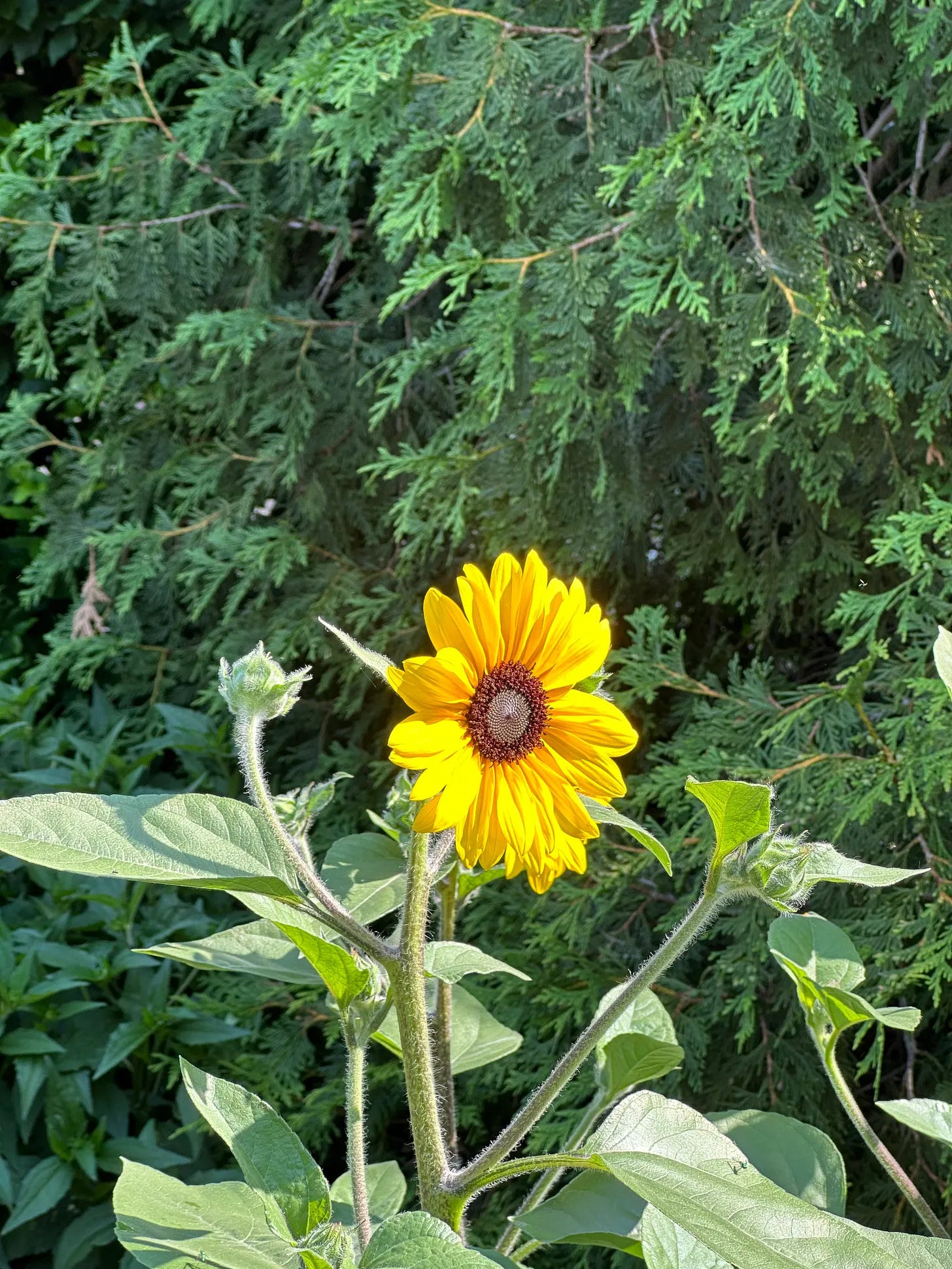
Photo by Don Pierce
When someone is overwhelmed by fear, confusion, or intrusive thoughts, one of the most painful parts of the experience is the feeling of being watched, judged, or evaluated. The mind becomes a hall of mirrors. Every glance feels loaded. Every silence feels suspicious. Every movement seems meaningful.
This sense of scrutiny is exhausting.
It isolates.
It tightens the world until there is no safe place to stand.
But there is one place where scrutiny does not exist:
the natural world.
Nature does not evaluate you.
Nature does not interpret your behavior.
Nature does not form opinions.
Nature does not expect anything from you.
It simply witnesses.
Why Feeling “Watched” Hurts So Much
Humans are social beings.
We are wired to care about how others see us.
But when the nervous system is overwhelmed, this wiring becomes hypersensitive.
A neutral look feels threatening.
A stranger’s presence feels dangerous.
A quiet room feels full of eyes.
This is not weakness.
It is the nervous system trying — too hard — to protect you.
But protection becomes imprisonment when every interaction feels like surveillance.
This is why nature matters.
Why Nature Feels Safe When People Do Not
Human environments are full of social cues:
facial expressions
tone of voice
body language
expectations
judgments
misunderstandings
Even the kindest person can feel overwhelming when your mind is already on high alert.
Nature removes all of that.
A tree does not care how you look.
A river does not care what you say.
A hillside does not care whether you are calm or afraid.
This absence of evaluation is profoundly relieving.
It gives the nervous system a break from interpreting everything.
Nature as Witness, Not Judge
When you sit with a tree, or stand by the ocean, or walk through a field, you are in the presence of something that simply is.
It does not:
question your experience
challenge your thoughts
demand explanations
offer opinions
expect performance
It just shares space with you.
This is what makes nature a non‑judgmental witness.
It holds you without holding you accountable.
It sees you without scrutinizing you.
It surrounds you without overwhelming you.
For someone who feels constantly watched, this is a rare and healing experience.
A Practice: Sitting with a Tree
This practice is simple, gentle, and safe for anyone — including someone in distress.
Find a tree.
Sit or stand near it.
You don’t need to touch it unless you want to.
Then notice:
its stillness
its patience
its lack of reaction
its quiet presence
its complete disinterest in your behavior
Let yourself feel what it’s like to be near something that does not judge you.
If you are supporting someone else, you can say:
“Let’s sit with this tree for a moment.”
“We don’t have to talk. We can just be here.”
“The tree doesn’t need anything from us.”
This is not therapy.
It is companionship.
How This Helps People Who Feel Scrutinized
When someone feels watched or judged, they often withdraw.
They avoid people.
They avoid conversation.
They avoid eye contact.
Nature offers connection without pressure.
It says:
“You can be here without performing.”
“You can rest without explaining.”
“You can exist without being evaluated.”
This reduces the internal sense of threat.
It softens the belief that danger is everywhere.
It gives the mind a chance to breathe.
How This Helps Caregivers
Supporting someone who feels scrutinized is delicate work.
If you push too hard, they retreat.
If you argue, they feel invalidated.
If you agree, you reinforce the fear.
Nature gives you a third option.
You can say:
“Let’s step outside for a moment.”
“Let’s sit somewhere quiet.”
“Let’s be with something that doesn’t judge either of us.”
This shifts the dynamic from confrontation to companionship.
You are not correcting them.
You are not agreeing with them.
You are simply offering a safer environment.
This preserves trust — the most important ingredient in any supportive relationship.
Closing Reflection
When the mind feels watched, the world becomes small and frightening.
Nature widens that world again.
It offers a presence that does not evaluate, interpret, or demand.
It gives the nervous system a place where nothing is expected and nothing is judged.
In that space, fear loosens.
Breath deepens.
The body remembers what safety feels like.
Nature cannot erase the feeling of being watched.
But it can offer a witness who watches without judgment —
and sometimes, that is enough to begin healing.