


Photos by Don Pierce.
Here’s a breakdown of key perspectives:
1. Basic Emotions Theory (Paul Ekman):
Ekman identified 6 basic emotions that are universally recognized across cultures:
Happiness
Sadness
Anger
Fear
Disgust
Surprise
He later expanded the list to include others like:
Shame
Contempt
Embarrassment
Pride
Excitement
2. Robert Plutchik’s Wheel of Emotions:
Plutchik proposed 8 primary emotions, each with a polar opposite:
Joy vs. Sadness
Trust vs. Disgust
Fear vs. Anger
Surprise vs. Anticipation
He showed how these can mix into more complex emotions (e.g., joy + trust = love), creating a broad spectrum. His model implies dozens of emotional blends.
3. Modern Neuroscience and Psychology:
Contemporary researchers often say there are anywhere from 27 to over 100 emotions. A well-known 2017 study by Cowen & Keltner identified at least 27 distinct emotions that smoothly blend into each other, much like colors on a gradient.
4. Cultural and Philosophical Views:
Buddhist psychology speaks of mental states like craving, aversion, and equanimity more than discrete “emotions.”
Some Indigenous traditions include feelings like belonging to the land or being called by ancestors—emotions not named in Western lists.
In Short:
There are 6–8 universally basic emotions, depending on the model.
There are dozens to hundreds when considering blends, nuances, and cultural expressions.
Emotions exist on a spectrum and are often context-sensitive.
Here’s a list of 60 distinct emotions, organized into broad emotional categories. These include basic, complex, and nuanced emotions, offering a wide emotional vocabulary for inner exploration, creative expression, or ecological psychology work:
Positive Emotions
Joy
Gratitude
Love
Peace
Contentment
Awe
Hope
Enthusiasm
Curiosity
Inspiration
Amusement
Serenity
Delight
Relief
Pride
Negative Emotions
Sadness
Anger
Fear
Disgust
Shame
Guilt
Regret
Loneliness
Jealousy
Envy
Embarrassment
Frustration
Despair
Bitterness
Resentment
Mixed or Ambiguous Emotions
Nostalgia
Vulnerability
Anticipation
Suspicion
Longing
Confusion
Surprise
Disappointment
Empathy
Compassion
Admiration
Melancholy
Tension
Hesitation
Ambivalence
Ecological or Transpersonal Emotions (especially relevant to the work of an eartHeart)
Reverence
Belonging
Sacredness
Connection
Groundedness
Trust
Wonder
Grief-for-the-Earth
Ecstasy
Playfulness
Yearning
Humility
Resilience
Rootedness
Synergy
These emotions span inner personal states and intersubjective or ecological experiences. Many are useful for reflecting on relationships—with people, with the natural world, and with yourself.
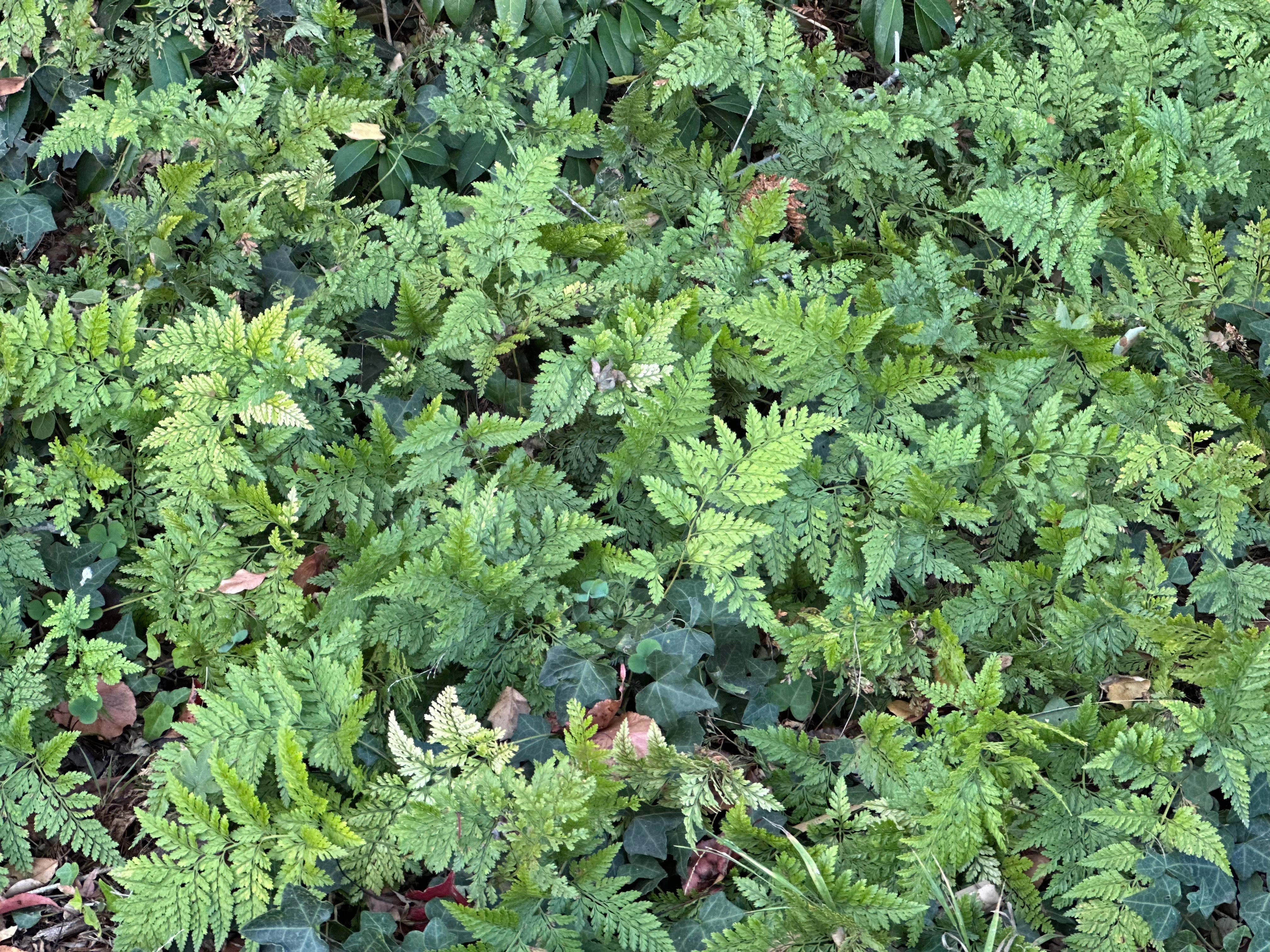
HumaNature Connect Activity
"Emotional Mapping with Nature Allies"
Purpose:
To explore and deepen emotional awareness by identifying 5–7 emotions during a nature walk, and associating each with a natural being or element that resonates with it.
Duration:
45–90 minutes
Materials:
Journal or notepad
Pen or pencil
(Optional: a printed list of emotions or emotion wheel)
Instructions:
Set an Intention. Before stepping outside, center yourself. Say silently or aloud: “I walk today to meet my inner world mirrored in the outer world. May the natural beings I encounter help me understand and welcome my emotions.”
Walk with Openness. Wander slowly through a natural area—park, forest trail, beach, garden. Don’t rush. Allow your attention to drift between external observations and internal sensations.
Whenever an emotion stirs, pause. Ask yourself: What exactly am I feeling?
Is there a natural being nearby (a tree, bird, stream, cloud, rock) that reflects or amplifies this feeling?
Record Each Emotion and Ally. In your journal, make a simple two-column note:
Emotion/Nature Ally
Longing/Distant hawk in the sky
Joy/ Sunlight on leavesGriefFallen tree trunk
Peace/Flowing creek
Curiosity/Ant trail
Try to collect at least 5–7 pairings.
Reflect & Integrate. Find a quiet spot to sit. For each emotion-ally pair reflect on what the natural being taught you about the emotion.
Ask: What can this being show me about moving through or expressing this feeling wisely?
Optional Extensions:
Create a small altar or collage with found natural objects (ethically gathered) representing your emotions.
Return to one of the allies regularly to continue your emotional work.
Inner Nature Development This Activity Fosters:
Emotional vocabulary and literacy
Deepened empathy and connection
Greater alignment between inner and outer life
Use of nature as a mirror and mentor


Nocturnal Pilgrimage
Activity: “The Night of 60 Emotions – A Nocturnal Inner Nature Walk”
Purpose:
To explore, name, and integrate a wide spectrum of emotions by sensing how they arise in darkness, silence, and symbolic encounters with natural beings. This activity supports emotional fluency, spiritual depth, and ecological belonging.
