

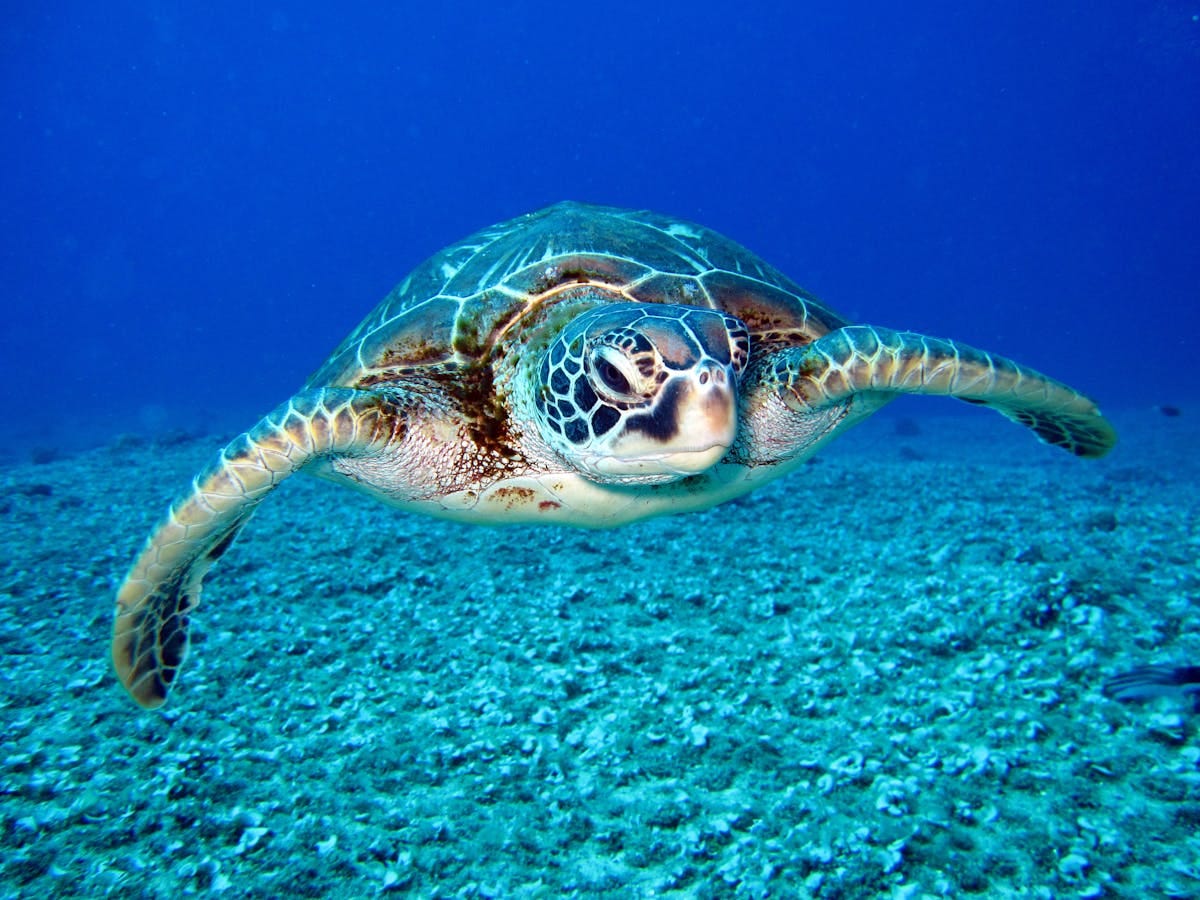
Pexels.com.
Observing sea turtle nest building: Insights on mutual benefits and learning from nature
Nesting sea turtles offers a breathtaking display of nature with lessons that go far beyond their immediate biological context. They have been nesting on beaches and traversing oceans for millions of year, demonstrating resilience, sustainability and ecological harmony. The nest-building process of these ancient creatures provides insights into the concept mutual benefit, where actions serve not only individual needs but also improve broader ecosystems. It also demonstrates how human approaches to environmental management and coexistence can be guided by nature. This process can teach us valuable lessons on how to balance self-interest and collective well-being, as well as foster a stronger connection with the natural world.
Sea Turtle Nest Building: A Brief Overview
The nesting of sea turtles begins when females return to their birth beaches, even after traveling for thousands of miles. This phenomenon is known as "natal homing". After reaching the shoreline, the female turtle crawls up to the site she wants to nest and digs the hole using her flippers. She covers her eggs in sand before returning to sea to protect them against predators and the environment.
This seemingly simple action is crucial for the survival and benefits of the surrounding ecosystem. Unhatched eggs provide nutrients that enrich sandy soils, which in turn support plant growth and stabilize coastal dunes. Turtles hatching successfully also contributes to marine biodiversity.
Insights into Mutual Benefits
1. Ecosystem Enrichment
Nests of sea turtles are more than just a place to reproduce; they're also an investment in the ecosystem. Nesting has many benefits for the ecosystem, even though the primary purpose is to ensure that the species continues. The nutrients from eggs that do not hatch or hatchlings which die are used by beach plants and microorganisms. This process increases the stability and fertility in coastal ecosystems. It also supports other species, and reduces erosion.
Humans Lesson:
Sea turtles show how small actions can have a ripple effect that benefits the entire community. In the same way, all human endeavors, whether in agriculture, urban design, or industry, should aim to create systems which balance individual needs and ecological contributions. Adopting regenerative agriculture practices, for example, not only increases crop yields but also improves soil quality and encourages biodiversity.
2. Balancing Self-Interest and Collective Well-Being
Nesting behaviour of sea turtles illustrates the delicate balance that exists between individual self-interest and group well-being. Nesting is a way for turtles to indirectly support other organisms, even though they are driven by their instinct to reproduce. This alignment of individual and communal benefits is a great example of how organisms coexist in harmony within ecosystems.
Humans Lesson:
This principle can be used to inspire human approaches that put mutual benefit first. Urban green spaces, for example, not only enhance the quality of living for residents, but also provide habitats to wildlife, reduce heat islands and improve air. Sea turtles remind us that taking actions to meet our personal or societal requirements can also serve the greater good.
3. Contributions to Biodiversity
Turtles hatchlings who survive the perilous journey into the ocean play an essential role in marine ecosystems. Adult turtles help maintain healthy coral reefs and seagrass beds, which are essential to diverse marine life. This interdependence highlights the idea that the survival of individuals contributes to resilience and the richness of ecosystems.
Human Lessons:
Sea turtles show us how important it is to nurture biodiversity. It strengthens ecosystems, and benefits all species including humans. To ensure a sustainable future, it is important to protect habitats, conserve endangered species and foster ecological balance.
Learning from Nature: Key Lessons
1. Resilience when faced with challenges
During their nesting processes, sea turtles must overcome many obstacles, including navigating long migrations and avoiding predators. They adapt their behavior to survive despite these challenges. This resilience is testament to the power that adaptation and persistence can have in the face adversity.
Human Lesson:
Sea turtles are a great example of resilience. They teach us to be adaptable and determined when facing challenges like climate change, habitat destruction, and resource shortages. Their ability to overcome obstacles encourages a proactive, innovative approach when tackling complex issues.
2. Efficiency and Resourcefulness
Turtles choose nesting sites carefully based on the sand temperature and moisture as well as proximity to water. These factors affect the survival rate of eggs and hatchlings. Turtles are resourceful and efficient because they use natural cues for maximizing their chances of survival.
Humans Lesson:
This behavior helps us use resources efficiently and align our actions to natural processes. Biomimicry can be incorporated into technology and design to create more sustainable solutions.
3. Interconnectedness and Cooperation
For sea turtles to reproduce and nest successfully, they need healthy ecosystems. Their presence also benefits these ecosystems. This interconnectedness shows the inherent cooperation within natural systems where each species has a role to play in maintaining ecological equilibrium.
Human Lesson:
This interconnectedness inspires humans to embrace a collaborative mentality, realizing that their well-being is linked to the health and wellbeing of the planet. Our actions, whether they are promoting renewable energy or conservation, reduce waste, or support conservation efforts, contribute to a shared future.
Practical Applications of These Insights
Conservation Efforts
Understanding the benefits that sea turtles receive from nesting can help communities advocate and implement conservation measures, including protecting nesting beaches, reducing pollution and adopting sustainable fishing methods.Sustainable Development
The ability of sea turtles to balance self-interest and ecological contributions can be used as a template for designing sustainable infrastructure. Eco-tourism initiatives, for example, that support local economies while protecting wildlife habitats embody nature's balance.Education & Advocacy:
The nesting behaviour of sea turtles is a powerful narrative for environmental education. Teaching about the role of sea turtles in ecosystems is a great way to inspire people to care for their environment.
Conclusion
The nesting behaviour of sea turtles shows a world full of interconnectedness and resilience. These ancient creatures demonstrate how the focus on mutual benefit can sustain individuals and ecosystems and how we can learn from nature to live in harmony and sustainability.
We are reminded, as we consider the lessons that sea turtles teach us, that our actions have a similar impact. We can create a planet that is thriving by aligning our efforts to the principles of ecological wisdom and mutual benefit. As both architects and defenders of their ecosystems sea turtles provide an example of living in harmony with nature and leaving a legacy for future generations of stewardship.
HumaNatureConnect Activity
Outdoor Activity: "Lessons from Sea Turtles – Building for the Future"
Objective:
This outdoor activity teaches participants about mutual benefits and learning from nature through a hands-on simulation inspired by the nesting behavior of sea turtles. Participants will explore how sea turtles contribute to ecosystems and how their nesting practices exemplify the importance of sustainability, mutual benefits, and environmental mindfulness.
