

Pexels.com
Pollination by Bees: An Opportunity for Action with Ecological Psychology Impact
Pollination by bees is one of the most vital natural processes on Earth, connecting plants, ecosystems, and human societies in a web of interdependence. From an ecological psychology perspective, observing and supporting bee pollination represents a profound opportunity for action. This perspective emphasizes the relationship between organisms and their environments, exploring how perception and behavior are shaped by and contribute to ecological systems. By examining pollination as an affordance—an opportunity for action—we gain insight into the critical roles humans can play in fostering biodiversity, sustaining ecosystems, and aligning human behavior with ecological principles.
The Pollination Process: A Keystone of Life
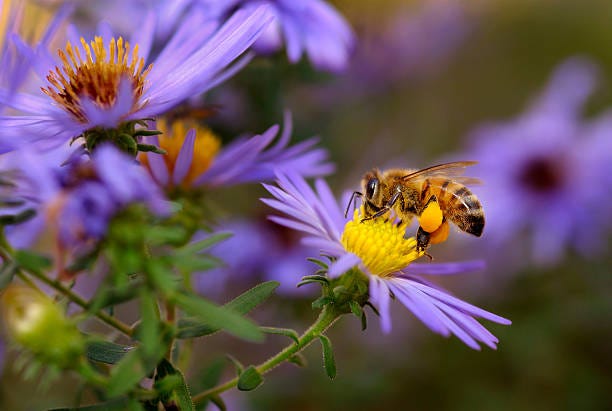
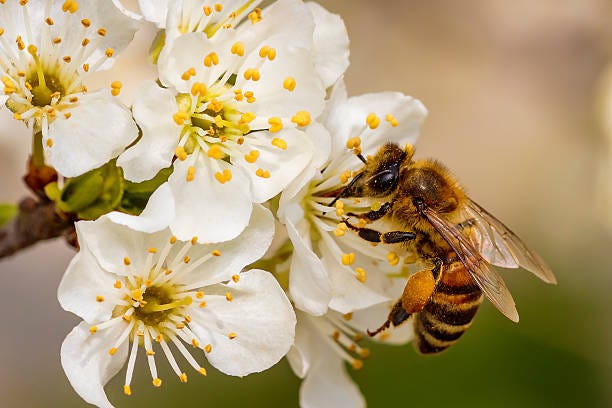
Pollination is the transfer of pollen from the male part of a flower (anther) to the female part (stigma), enabling fertilization and the production of seeds. Bees, as primary pollinators, play a critical role in this process. While foraging for nectar and pollen, bees inadvertently transfer pollen between flowers, facilitating reproduction in over 75% of flowering plants, including crops that sustain human populations.
From an ecological psychology standpoint, this process exemplifies dynamic relationships between organisms and their environments:
Bee Behavior and Environmental Affordances: Flowers offer affordances to bees, such as nectar for energy and pollen for protein. In turn, bees provide the critical service of pollination to plants.
Reciprocal Interaction: Both bees and plants co-evolve, with bees adapting to floral structures and flowers evolving traits (color, scent, nectar guides) that attract bees.
The intricate dance of pollination reflects a systems-level relationship, showing how small actions (bee visits) scale up to sustain entire ecosystems.
Opportunities for Action in Supporting Pollination
1. Protecting Bee Habitats
Bees require diverse habitats that provide food, nesting sites, and protection from predators. Human actions can either enhance or degrade these environments:
Creating Pollinator-Friendly Spaces: Planting native flowers, reducing pesticide use, and preserving wildflower meadows offer affordances for bees to forage and nest.
Restoring Degraded Habitats: Reviving abandoned lands with pollinator-friendly plants reconnects fragmented ecosystems and supports bee populations.
2. Supporting Agricultural Systems
Bees are essential for pollinating crops such as apples, almonds, and blueberries. Farmers and gardeners have opportunities to align their practices with ecological principles:
Integrated Pest Management (IPM): Reducing harmful pesticide use and employing bee-safe methods protects pollinators while managing pests.
Agroecological Practices: Crop diversification and planting cover crops provide bees with year-round food sources, strengthening their role in food production.
3. Engaging in Citizen Science
Citizen science programs that track pollinators allow individuals to participate in monitoring bee populations and environmental health. Examples include:
Monitoring bee visitation rates to flowers.
Recording sightings of specific bee species, contributing to data that supports conservation.
By engaging with these projects, individuals contribute to the collective knowledge needed to address pollinator decline.
Ecological Psychology and Human Perception of Pollination
1. Recognizing Affordances in Pollination
Ecological psychology emphasizes how organisms perceive affordances—opportunities for action offered by the environment. For humans, observing pollination invites a shift in perception:
Understanding Interdependence: Witnessing a bee pollinating a flower highlights the interconnectedness of life, reminding us that human survival depends on these seemingly small interactions.
Perceiving Opportunities to Act: Seeing a bee’s reliance on specific flowers can inspire actions such as planting nectar-rich species or reducing harmful practices.
2. Developing a Systems Perspective
Pollination offers an accessible way to understand ecological systems. Observing bees can teach humans about:
Feedback Loops: Successful pollination leads to fruit and seed production, feeding other species and perpetuating the cycle.
Resilience Through Diversity: Diverse flower species support diverse bee species, creating a stable system resilient to disruptions.
3. Emotional and Cognitive Impacts
Interacting with pollinators fosters wonder and curiosity, deepening emotional connections to nature. This connection can motivate environmentally conscious behaviors:
Emotional Resonance: Watching bees at work inspires awe at their efficiency and adaptability, reinforcing the value of biodiversity.
Mindful Observation: Observing pollinators encourages mindfulness, helping people develop a closer relationship with their surroundings.
Challenges to Bee Pollination and Opportunities for Human Intervention
1. Habitat Loss
Urbanization and agriculture have reduced the availability of wild habitats for bees. This creates an opportunity for humans to:
Convert urban spaces into green areas that support pollinators.
Advocate for policies that preserve wildlands and biodiversity.
2. Pesticides and Pollinator Health
The widespread use of harmful pesticides disrupts pollinator populations. Opportunities for action include:
Supporting organic farming and pesticide-free practices.
Advocating for stricter regulations on harmful chemicals.
3. Climate Change
Climate change disrupts flowering times, migratory patterns, and habitat availability. Actions include:
Planting climate-resilient native plants to support pollinators year-round.
Participating in conservation efforts aimed at mitigating climate impacts.
The Ecological Psychology Impact on Humans
1. Shaping Behavior Through Observation
Witnessing the interdependence of bees and plants can influence human behavior in profound ways:
Adopting Sustainable Practices: Observing pollinators inspires actions such as reducing waste, conserving water, and avoiding chemical use.
Engaging in Collective Action: Awareness of pollination processes encourages participation in community efforts to protect pollinators.
2. Enhancing Problem-Solving Skills
Learning from bees’ adaptability teaches humans to navigate their own challenges:
Bees adjust to environmental changes, such as shifting forage patterns when resources are scarce. Humans can emulate this resilience in solving complex problems.
3. Cultivating Environmental Empathy
Experiencing the fragility and importance of pollination fosters empathy for nature, motivating stewardship and advocacy:
Understanding the challenges bees face connects humans to broader ecological struggles, making conservation a personal and collective priority.
Broader Lessons from Pollination
1. The Power of Small Actions
Pollination reminds us that small, consistent actions can have monumental impacts. This principle applies to both natural systems and human behavior:
Planting a single bee-friendly flower can contribute to a cascade of positive effects.
Supporting one pollinator species can strengthen entire ecosystems.
2. The Importance of Collaboration
Bees and flowers demonstrate the power of mutualism—cooperation that benefits all parties. Humans can adopt this lesson by fostering collaboration within communities to address ecological challenges.
3. The Need for Diversity
Pollination depends on diverse species and habitats. This mirrors the need for diversity in human perspectives and approaches to problem-solving.
Conclusion
Pollination by bees is more than a natural phenomenon; it is an invitation to perceive and act within ecological systems. From an ecological psychology perspective, this process exemplifies the deep relationships between organisms and their environments, offering lessons about interdependence, adaptability, and the power of small actions. For human observers, supporting pollinators becomes an opportunity for meaningful action that aligns with ecological principles, fosters resilience, and sustains life. By planting flowers, reducing harm, and observing pollinators with mindfulness and awe, humans can contribute to a thriving world—one bee and one flower at a time.
Pexels.com.
HumaNatureConnect Activity
Outdoor Activity: "Bee Connections – Enhancing Awareness Through Pollination Observation"
Objective: Participants will observe and learn about the role of bees in pollination, enhancing their awareness of ecological interdependence and opportunities for action to support pollinators.
