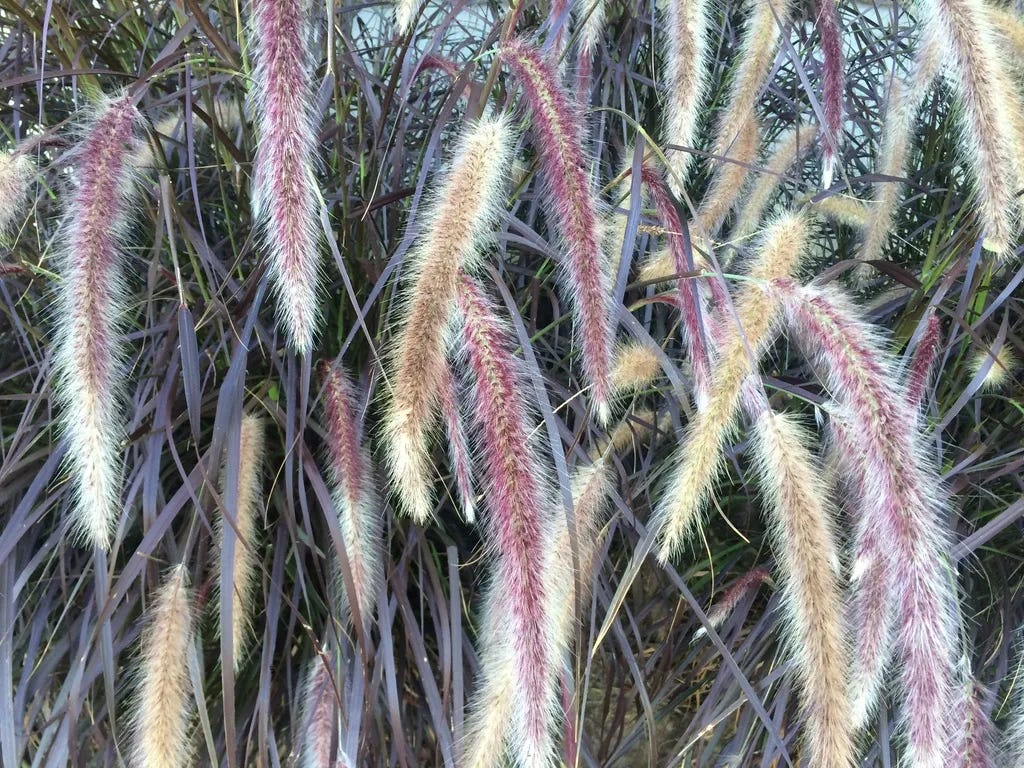
Photo by Don Pierce
Influence, in the ecological sense, is not persuasion.
It is not charisma.
It is not strategy, messaging, or technique.
It is not the ability to convince, pressure, or dominate.
Influence is what happens when a coherent field enters a larger field.
It is the shift from:
force → resonance
argument → presence
persuasion → proportion
pressure → clarity
dominance → coherence
Influence is not something you do.
It is something you are.
When the ecological self becomes stable, influence emerges naturally — not because you try to shape others, but because your presence changes the conditions in which others are operating.
Influence is ecological, not interpersonal.
Influence as Field Effect
In nature, influence is never imposed.
It is always relational.
A tree influences the forest by the shade it casts, the moisture it retains, the soil it enriches, the wind it breaks.
A river influences the valley by the path it carves, the nutrients it carries, the habitats it creates.
A flock influences the air by the patterns it forms, the currents it rides, the signals it sends.
Nothing forces anything else.
Everything participates in shaping the field.
Human influence works the same way.
When you are coherent:
your presence stabilizes the room
your rhythm slows the pace
your clarity reduces confusion
your proportion reduces distortion
your groundedness reduces reactivity
This is not mystical.
It is ecological.
Influence is the natural consequence of coherence.
Why Force Fails
Most human attempts at influence rely on:
pressure
argument
intensity
emotional leverage
intellectual dominance
strategic manipulation
These methods may produce compliance, but they do not produce coherence.
They fracture the field.
They create resistance, resentment, or collapse.
Force can change behavior.
It cannot change systems.
Ecological influence changes systems because it changes the conditions within which systems operate.
When you are coherent, you create a micro‑environment where others can become coherent.
This is the quiet truth:
Influence is not what you do to others.
It is what your presence allows in others.
Influence Without Performance
The participatory self does not perform influence.
It does not try to be impressive, persuasive, or impactful.
It influences by:
listening in a way that reorganizes the field
speaking in a way that clarifies the pattern
acting in a way that aligns with conditions
withdrawing in a way that preserves coherence
remaining steady when others are reactive
Influence is not about being the loudest voice.
It is about being the clearest field.
A single coherent presence can shift an entire group dynamic.
A single incoherent presence can destabilize it.
Influence is not about magnitude.
It is about quality of presence.
Influence as Ecological Participation
When you influence ecologically, you are not trying to change people.
You are participating in the field in a way that changes what is possible.
You contribute:
rhythm
proportion
clarity
steadiness
relational intelligence
ecological perception
These contributions alter the field conditions.
And when the field changes, people change.
Influence is not personal.
It is ecological.
HumaNatureConnect Activity
Sensing influence as field effect
Go to a natural place where one element subtly shapes the whole — a large stone redirecting water, a tree altering wind patterns, a patch of shade changing the temperature of the ground.
Stand or sit where you can observe this influence.
Let your breath settle.
Let your attention widen.
Then ask:
What part of me influences the field without effort?
Use these prompts:
What part of my presence feels stabilizing.
What part feels distorting.
What part feels like shade, shelter, or rhythm.
What becomes clearer when I sense influence as field effect.
What feels like my natural ecological influence.
Stay for ten minutes.
Afterward, write:
What influenced.
What softened.
What clarified.
What felt like ecological influence.
This activity teaches influence as participation, not pressure.
Nocturnal Pilgrimage
Letting the night reveal your influence on the field
Step outside after dark. Night simplifies the world. It reveals influence not through visibility but through presence.
Stand or sit in one place.
Let the night reorganize your sense of impact.
Use these prompts:
What part of me affects the field even in silence.
What part of me feels like a stabilizing presence.
What part of me feels like a disturbance.
What becomes clearer when I sense influence without performance.
When you return indoors, write:
What remained.
What shifted.
What felt like influence.
Night reveals influence by removing the need to be seen.
Conclusion
The ecology of influence is the second movement of the Participatory Self Series — the moment when participation becomes relational rather than behavioral. It is the shift from force to resonance, from persuasion to presence, from strategy to coherence.
Nature teaches influence through field effects, not dominance.
When the self becomes ecological, influence becomes an extension of coherence.
This is the work of ecological influence:
to shape the field by the quality of your presence.