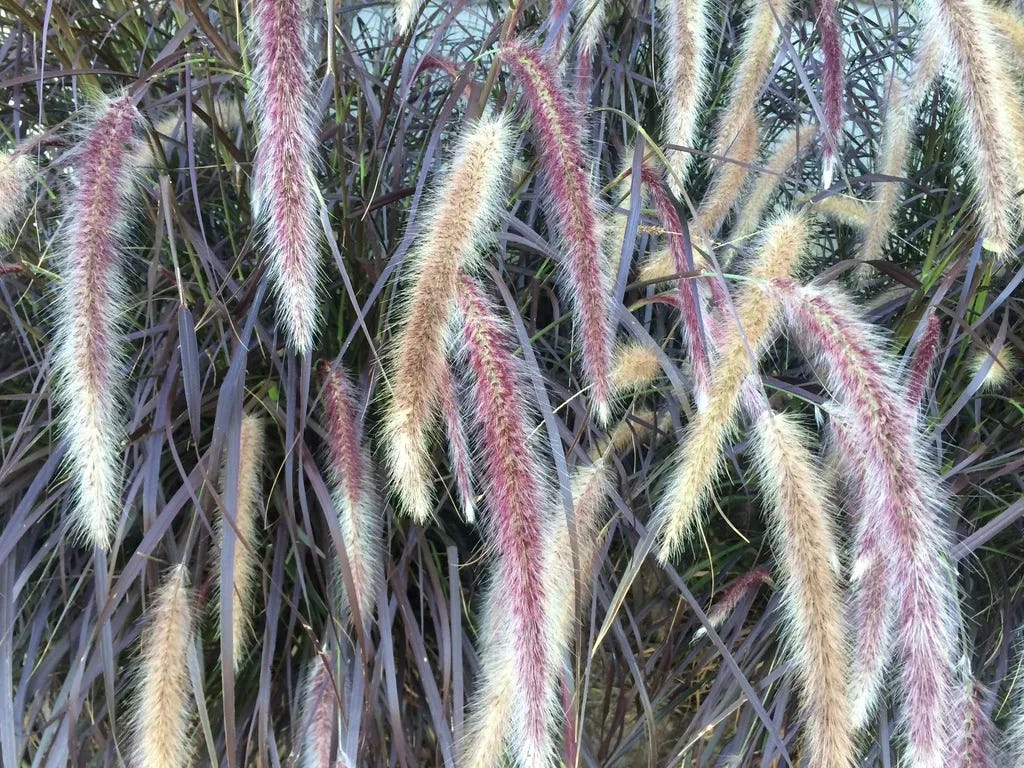
Photo by Don Pierce
Participation is not an event.
It is not a moment of engagement, a burst of contribution, or a temporary alignment with a group or cause.
Participation, in the ecological sense, is a continuum — a way of inhabiting the world that persists across seasons, contexts, and systems.
The participatory continuum is what emerges when:
ecological identity stabilizes
influence becomes field‑based
collective fields become readable
conflict becomes navigable
stewardship becomes natural
At this point, participation is no longer something you enter and exit.
It becomes the ongoing expression of coherence.
Participation becomes a way of moving through the human world with the same steadiness, proportion, and relational intelligence that you learned from the land.
Participation as Continuity, Not Effort
Most people think participation requires:
motivation
energy
commitment
willpower
alignment
agreement
But these are the requirements of performative participation, not ecological participation.
In the participatory continuum, participation is not effortful.
It is continuous.
It is the shift from:
episodic engagement → ongoing presence
reactive involvement → rhythmic contribution
situational participation → ecological participation
identity‑based action → field‑based action
Participation becomes the natural extension of who you are.
You do not “step into” participation.
You remain in it.
The Three Layers of the Participatory Continuum
The participatory continuum unfolds across three layers.
1. Presence
Your presence stabilizes the field simply by being coherent.
You do not need to act.
Your field participates.
2. Action
Your actions arise from ecological agency — timed, proportionate, responsive, grounded.
You act when the field supports action.
3. Stewardship
Your participation becomes generative.
You maintain the conditions that allow coherence to exist in the systems you inhabit.
These layers are not sequential.
They are simultaneous.
They form a continuum of participation that adapts to the needs of the moment.
Participation Without Urgency
Urgency is the enemy of ecological participation.
Urgency collapses perception, distorts proportion, and fractures coherence.
In the participatory continuum, urgency is replaced by:
timing
rhythm
sensing
proportion
ecological agency
You participate in ways that do not exhaust you, distort you, or pull you out of relationship with yourself.
Participation becomes sustainable because it is paced by the field, not by pressure.
Participation Across Contexts
The participatory continuum is durable across:
relationships
groups
communities
institutions
civic life
political systems
You do not need to change who you are to participate in different environments.
Your coherence adapts without distortion.
This is the hallmark of the participatory continuum:
You remain yourself while participating everywhere.
Your presence becomes a stabilizing force across contexts.
Participation as the Foundation for Integral Politics
The participatory continuum is the final bridge between the ecological self and integral politics.
Integral politics requires:
coherent individuals
ecological perception
relational intelligence
field awareness
proportionate action
stewardship of systems
These capacities do not arise from ideology.
They arise from participation.
A society becomes coherent when its people — and especially its leaders — participate from the participatory continuum rather than from urgency, fear, or performance.
Participation becomes governance.
Presence becomes leadership.
Coherence becomes contribution.
This is the quiet truth:
The participatory continuum is the human expression of ecological continuity.
HumaNatureConnect Activity
Sensing continuity in a natural system
Go to a natural place where continuity is visible — a river that flows through changing terrain, a tree that persists across seasons, a coastline shaped by long cycles, a migrating species returning year after year.
Stand or sit where you can sense this continuity.
Let your breath settle.
Let your attention widen.
Then ask:
What is the continuity of this system?
What is the continuity of my participation?
Use these prompts:
What part of this system remains itself across change.
What part of me remains myself across contexts.
What part of me participates without effort.
What becomes clearer when I sense participation as continuity.
What feels like my long‑term rhythm of participation.
Stay for ten minutes.
Afterward, write:
What held.
What changed.
What remained coherent.
What felt like the participatory continuum.
This activity teaches participation as a long‑term ecological rhythm.
Nocturnal Pilgrimage
Letting the night reveal your long arc of participation
Step outside after dark. Night is a long‑arc phenomenon — a rhythm older than human systems, a continuity that does not depend on your effort.
Stand or sit in one place.
Let the night widen your sense of time.
Use these prompts:
What part of me participates even in stillness.
What part of me feels continuous across days and years.
What part of me remains coherent in the dark.
What becomes clearer when I sense participation as presence.
When you return indoors, write:
What remained.
What softened.
What felt like long‑arc participation.
Night reveals the continuum beneath the moment.
Conclusion
The participatory continuum is the sixth and final movement of the Participatory Self Series — the moment when participation becomes durable, rhythmic, and ecological across time. It is the shift from episodic engagement to continuous presence, from reactive involvement to ecological participation.
Nature teaches continuity through cycles, not constancy.
When the self becomes ecological, participation becomes a living rhythm — adaptable, coherent, and deeply connected to the systems it inhabits.
This is the work of the participatory continuum:
to remain yourself while participating everywhere.