


All Photos by Don Pierce, unless noted otherwise.
Imagine yourself on a trail that winds through dense forest. This path is your life. It's filled with beautiful clearings and steep climbs. And yes, even the occasional muddy stumbling. Self-compassion keeps you upright and helps you find balance during difficult times. It's like a steady walking stick. It is not a magical wand to erase obstacles, but rather a tool which helps you navigate them with grace.
Self-compassion can be a powerful tool to help you overcome obstacles and quiet your inner critic. We'll explore the core of self-compassion to see how it can make you stronger, kinder and more resilient.
Recognizing Feelings: The First Step on the Trail
There's more to life than sunny fields. Thunderstorms, underbrush tangled in knots and mosquito bites are all part of life. It's normal to feel frustrated or tired when you encounter setbacks. Many of us ignore these feelings or dismiss them with phrases such as "I shouldn’t feel like this" or "Why am I not able to handle this better?"
Here's the truth, feelings must be acknowledged. It's like trying to cram a squirrel in your backpack. The longer you ignore the problem, the worse it gets.
Self-compassion starts with acknowledging your feelings and allowing them without judgement. Imagine your emotions as temporary weather patterns that are part of the landscape. It's like saying, "It is okay to feel that way," and opening your umbrella in the rain. You won't stop the storm but you will protect yourself from the worst effects.
Practicing Mindfulness: The Art of Being Present
The compass that will guide you on your journey is mindfulness. It helps you navigate through the chaos. This is the art of observing thoughts and emotions without attaching or pushing them aside. Imagine watching the leaves drift down a river. Each leaf represents a concern, a thought or criticism. It's not your job to wrestle with the leaves, but to simply watch them go.
It doesn't mean to ignore your stress, or pretend that everything is okay. It's all about creating space for reflection without getting entangled. Journaling is a great way to do this. Write about your troubles without censoring. Putting pen to paper can often unravel emotional knots, and reveal patterns that you had not noticed.
Meditation, too, can help. Imagine yourself as a solid mountain, unaffected by clouds of doubt or frustration. You can cultivate mindfulness by stepping back to see setbacks not as defining facts, but rather as moments.
Being Kind to Yourself: Befriending Your Inner Critic
Imagine that you are hiking with a buddy and they trip on a branch. You would laugh and tell them, "You are so clumsy, you'll never reach the top." No, of course not. You would offer a helping hand, say something reassuring, or even make a joke in order to brighten the mood.
When you fall, your inner critic can be cruel. It shouts or whispers phrases like "Why aren't you competent?" or "You won't succeed."
You can replace your critical voice with kindness when you practice self-compassion. You should treat yourself the same way you would a close friend, with patience, understanding and encouragement. Try replacing "I am a failure" with"I failed but I'm doing my best."
It's not just feel-good fluff. Over time, affirming and nurturing words rewire your brain. You become more resilient by practicing kindness towards yourself.
Recognizing Progress: Celebrating the Journey
Setbacks are often accompanied by tunnel vision. Focusing on the mistake you made, you ignore the progress you have made and the efforts you have put in. You're like a climber who is halfway up a hill and only looks back to see the rocks that you tripped on, forgetting how far you have climbed.
Self-compassion is a key component of recognizing progress. Celebrate your small victories. Every step, however insignificant, shows that you are determined. You didn't complete the project in time, but you made progress. That's progress. You felt overwhelmed, but you took five minutes to breath? It's a victory.
Recognizing your efforts even when they aren't perfect builds confidence and motivates you. Even the slowest hiker will eventually reach the summit. It's not about speed, but about perseverance.
Why Self-Compassion Matters
Self-compassion doesn't mean avoiding your responsibilities or abdicating responsibility. It is about creating an environment within which growth and healing can flourish. You're better able to handle life's challenges when you have self-compassion.
Resilience By being kind to yourself, you can bounce back more quickly from failures. You can find the courage to keep trying instead of giving up.
Perspective Self compassion helps you to see setbacks in the context of a larger picture and not as catastrophic failures. It helps you remember that everyone makes mistakes and that they are an opportunity to learn.
Better Mental Health: By reducing harsh self-criticism, you can reduce stress and anxiety and approach life more calmly and clearly.
Practical Ways to Practice Self-Compassion
Self-compassion is a powerful tool that can be used to improve your life.
Start the Day with Kindness Each morning, begin your day by setting an intention of compassion. Say "Today I will treat myself with patience and understanding."
Pause to Self-Check In: Take a moment throughout the day to ask yourself "How do I feel?" Acknowledge and validate your feelings without judgement.
Reframe Your Self-Talk: If you find yourself criticizing, ask yourself, "Would this be something I would say to a close friend?" and if not, change it for something more kind.
Keep a gratitude journal: Each day, write down three things that you are proud of. This shifts your attention from what is wrong to what is going well.
Take care of yourself: Whether you're taking a stroll, relaxing in a hot bath, or pursuing a passion, take time to pamper your body and mind.
Practice forgiveness: Reminding yourself that perfection is a mirage. You can forgive yourself and see your mistakes as stepping-stones, not as roadblocks.
Self-Compassion in Action: A Story
Take Emily, a young woman who has just missed a deadline at her job. She immediately starts to criticize herself, asking: "How did I do this? Emily doesn't say, "I'm a failure. She admits to her frustration by saying "I am upset because my work is important to me." It's okay to be frustrated.
She then practices mindfulness. Emily spends ten minutes journaling, describing what has happened and how she is feeling. She realizes that part of her stress is due to poor time management, and another part is from unrealistic expectations.
Emily chose kindness instead of self-criticism. She tells her self, "I tried hard and even though I didn't make the deadline, I have learned a lot on how I can improve my performance next time."
Emily acknowledges her progress. She celebrates her progress in understanding her emotional triggers and acknowledges all the work she put into her project. Emily's setback becomes an opportunity to grow and learn about herself by practicing self-compassion.
Conclusion: The Gentle Path Forward
The dance of progressing and regressing is the life. Self-compassion can be your partner, that soft voice telling you that it's okay to slip backwards. "You're still progressing."
You can build inner peace and resilience by recognizing and expressing your feelings. Self-compassion allows you to navigate life's ups and downs with humor and grace.
So, take a deep breath. Grab your walking staff. Remember: You're not the only one on this trail. It's worth celebrating every step.
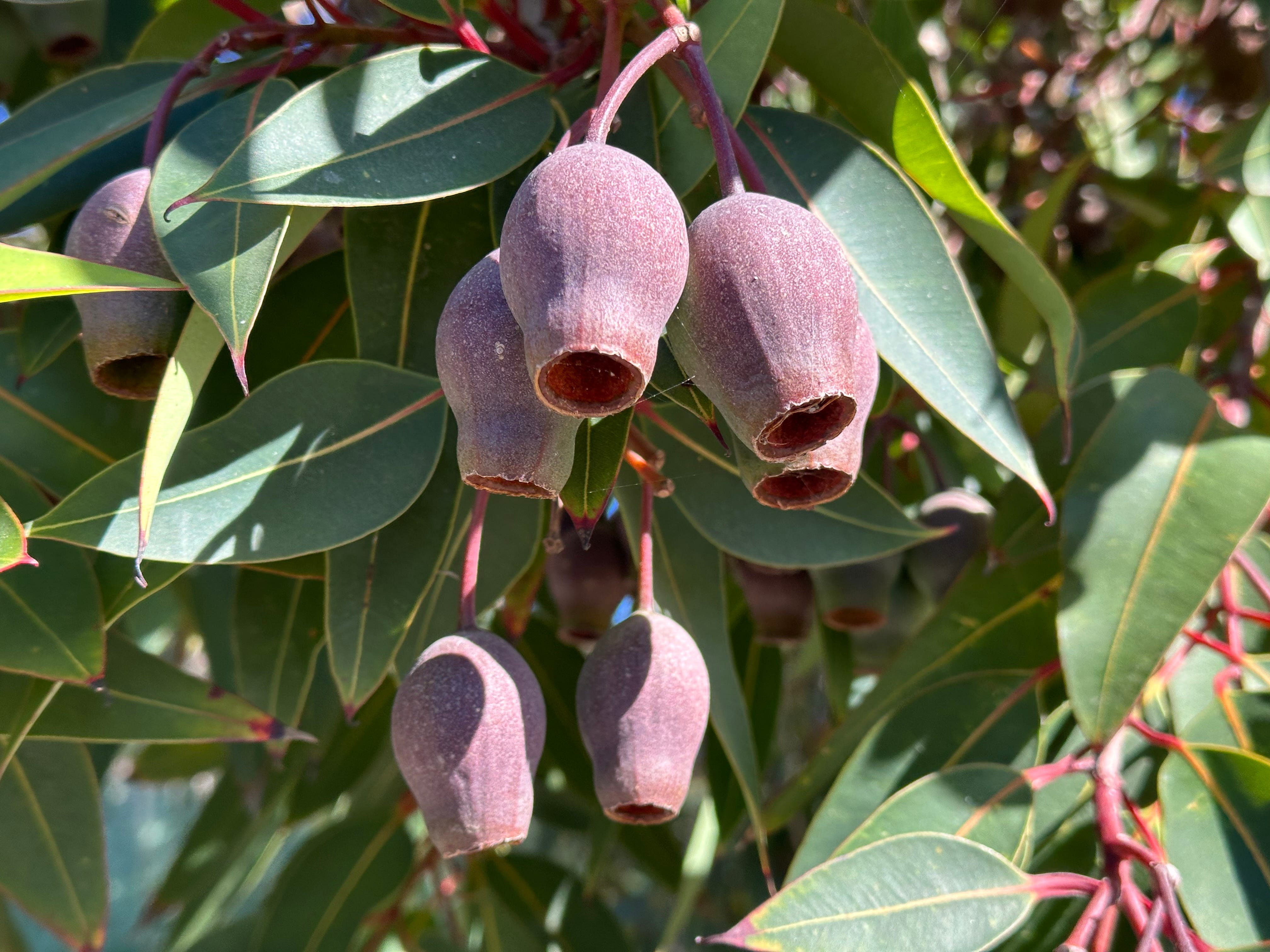
HumaNatureConnect Activity
Activity: Drum Your Own Beat—A Self-Compassion Jam Session
Objective: To replace harsh self-criticism with self-compassion using the metaphorical (or actual) rhythm of a drumbeat.
