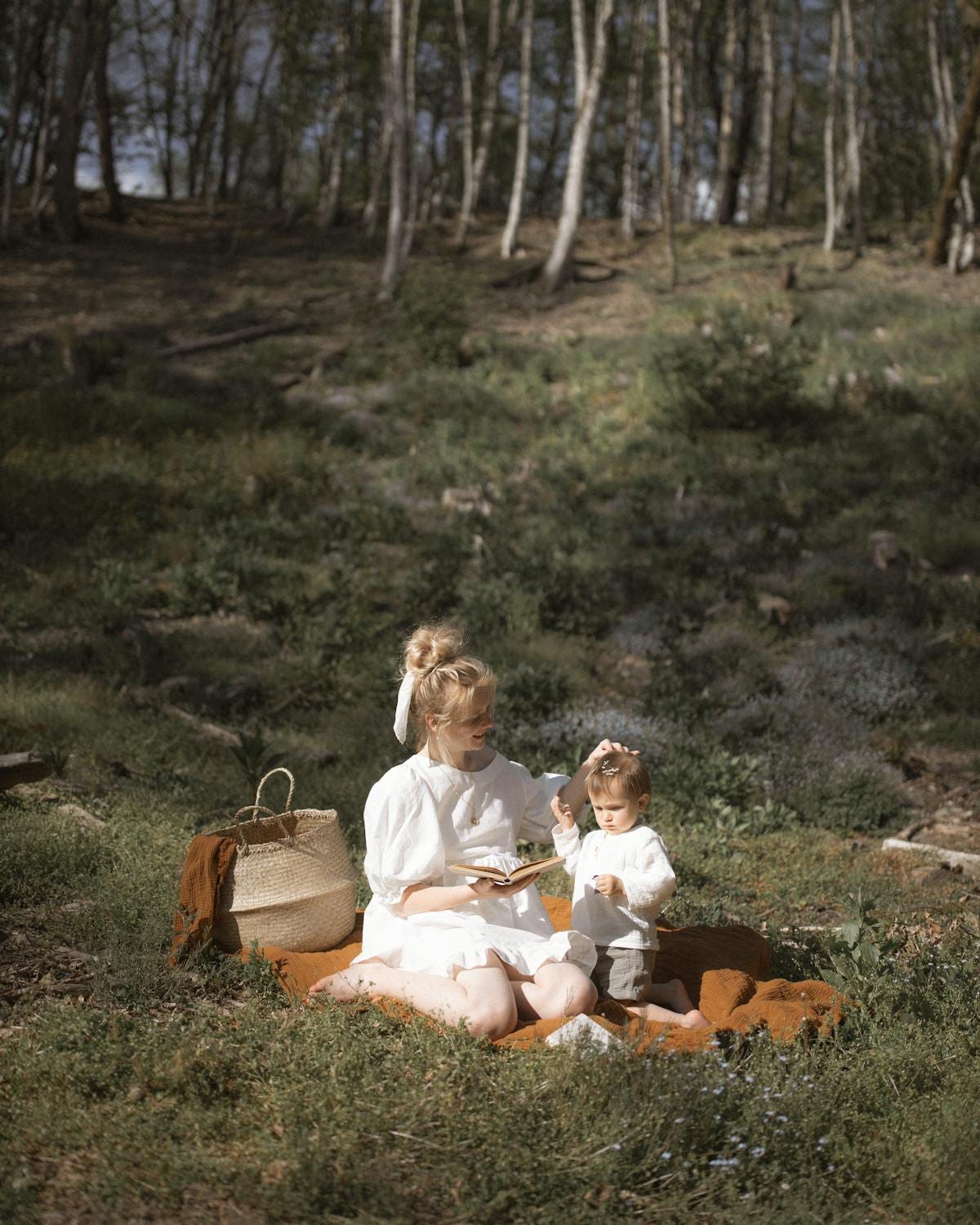
Photo by Anastasia Shuraeva, Pexels.com.
Reading aloud to a child is not only beneficial for their development but also offers numerous rewards for the reader. Here's how engaging in this shared activity can positively impact you:
1. Strengthens Emotional Bonds
Reading together fosters a deep emotional connection between you and the child. This shared experience builds trust and creates lasting memories, enhancing the parent-child relationship.
2. Reduces Stress and Enhances Well-being
The act of reading aloud can be a calming ritual, helping to reduce stress and promote relaxation for both you and the child. This soothing activity can become a cherished part of your daily routine.
3. Improves Communication Skills
Engaging in storytelling enhances your expressive abilities, including tone modulation and articulation. This practice can improve your overall communication skills, which are beneficial in various aspects of life.
4. Encourages Lifelong Learning
Reading diverse materials exposes you to new ideas and perspectives, fostering a habit of continuous learning. This intellectual engagement can be both stimulating and rewarding.
5. Provides a Sense of Purpose
Contributing to a child's development through reading can instill a sense of purpose and fulfillment. Knowing that your efforts are aiding in their growth adds meaning to the activity.
Engaging in regular read-aloud sessions is a mutually enriching experience. It not only supports the child's development but also offers personal growth and satisfaction for you as the reader.
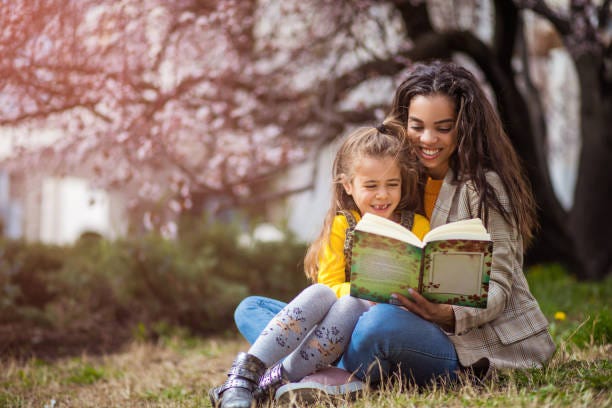
Photo by Liderina, Pexels.com.
HumaNature Connect Activity
"Storytime Under the Canopy"
Objective: To foster a deep connection between storytelling and the natural world, enhancing the child's imagination and appreciation for literature through immersive outdoor experiences.
Ideal For: Children aged 4–10
Duration: Approximately 45–60 minutes
Steps:
Select a Serene Outdoor Spot:
Choose a quiet location such as under a large tree, by a gentle stream, or in a garden. Ensure it's free from major distractions to maintain focus on the story.Set the Scene:
Lay out the blanket or mat, creating a cozy reading nook. Encourage the child to observe the surroundings—the rustling leaves, chirping birds, or the gentle sway of branches.Engage in Storytelling:
Read the chosen book aloud, using expressive tones and voices to bring characters to life. Pause occasionally to ask open-ended questions like, "What do you think happens next?" or "How would you feel if you were in this story?"Interactive Exploration:
After reading, relate elements of the story to the environment. For instance, if the story mentions a forest, discuss the trees around you. Encourage the child to find natural items that resemble aspects of the story.Reflect and Discuss:
Conclude by talking about the story's themes and how they connect to nature. Ask the child what they enjoyed most and if they'd like to create their own story inspired by the surroundings.
Benefits:
Enhanced Imagination: The natural setting stimulates creativity, allowing children to visualize and immerse themselves in the story.
Improved Focus: Being outdoors reduces digital distractions, helping children concentrate better on the narrative.
Emotional Connection: Sharing stories in nature strengthens the bond between the reader and the child, creating lasting memories.
Sensory Engagement: The sights, sounds, and smells of the outdoors enrich the storytelling experience, making it more vivid and memorable.
This activity not only promotes literacy but also instills a love for nature, making reading a holistic and enriching experience for both the child and the reader.
Photo by Invizbk, Pexels, com.
Nocturnal Pilgrimage
Here are five things to look for to determine if a book is made sustainably:
Recycled or FSC-Certified Paper
Look for labels like FSC (Forest Stewardship Council) or indications that the paper is made from post-consumer recycled content. These certifications mean the paper comes from responsibly managed forests or recycled sources.Vegetable-Based or Soy-Based Inks
Sustainable books often use plant-based inks instead of petroleum-based ones. These are less toxic and more biodegradable, reducing environmental impact during printing.