

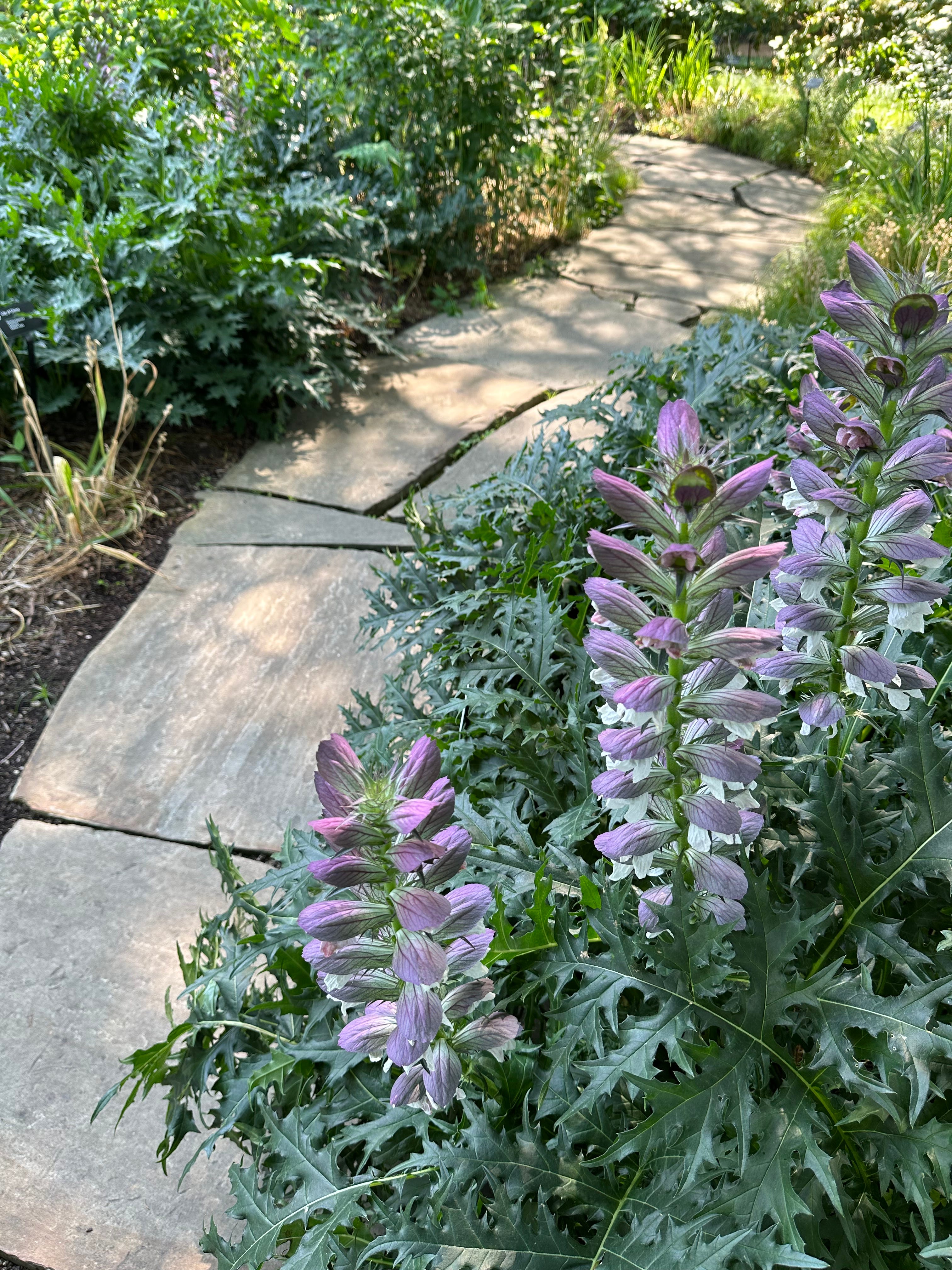
Photo by Don Pierce.
There’s a moment — sometimes subtle, sometimes seismic — when you realize that “self‑regulation” isn’t just a therapeutic buzzword. It’s the difference between living from your center and living from your survival strategies. Between responding and reacting. Between feeling like a rooted tree or a wind‑tossed branch.
Polyvagal theory gives us the physiology of that moment.
The Heartwood Path gives us the metaphor.
Together, they offer a way of understanding ourselves that is both scientifically grounded and deeply human.
The Nervous System as an Inner Landscape
Polyvagal theory, developed by neuroscientist Stephen Porges, reframes the autonomic nervous system as a dynamic, adaptive system with three primary states:
Ventral vagal — safety, connection, presence
Sympathetic — mobilization, fight/flight, activation
Dorsal vagal — shutdown, collapse, withdrawal
These states aren’t moral categories. They’re not “good” or “bad.” They’re simply the body’s best attempt to keep us alive.
But here’s the part that often gets missed:
We don’t choose these states with our minds.
We experience them with our minds, but the choosing happens far deeper — in the body, in the vagus nerve, in the ancient circuitry that predates language.
This is why you can’t talk yourself out of panic.
Why you can’t “think positive” your way out of numbness.
Why your body sometimes says “no” long before your mouth does.
Regulation is physiological first, cognitive second.
The Heartwood Path: A Return to the Core
The Heartwood Path — an ecological, contemplative framework — uses the metaphor of a tree to describe the journey back to our essential self. The heartwood is the dense, resilient center of the tree. It doesn’t bend in the wind. It doesn’t get stripped away in storms. It’s the core that holds everything else.
When we’re living from our heartwood, we feel:
grounded
connected
clear
capable of responding instead of reacting
It’s the same territory polyvagal theory calls the ventral vagal state.
But life pulls us away from that center.
Stress, trauma, overwork, relational ruptures, chronic uncertainty — they push us into sympathetic activation or dorsal collapse. The branches whip in the wind. The leaves fall. The tree endures, but it’s not thriving.
The Heartwood Path doesn’t shame these seasons.
A tree doesn’t judge itself for winter.
Instead, it invites us to notice where we are and gently return to the center when conditions allow.
Mapping the Two Frameworks Together
When we overlay polyvagal theory onto the Heartwood Path, a beautiful inner ecology emerges.
Ventral Vagal — The Heartwood
This is the state of safety and connection.
The place where we feel rooted, relational, and alive.
Here, we can:
listen without defensiveness
create without fear
rest without guilt
connect without bracing
It’s the physiological home of presence.
Sympathetic Activation — The Branches in the Wind
This is the mobilized state — the energy of doing, striving, protecting, pushing.
It’s not “bad.”
It’s the state that helps us meet deadlines, escape danger, and rise to challenges.
But when it becomes chronic, we lose access to our center.
We live in the branches, far from the heartwood.
Dorsal Vagal — The Forest Floor
This is the collapse state — the body’s last‑ditch effort to protect us when overwhelm becomes too much.
It can feel like:
numbness
exhaustion
disconnection
“I can’t”
It’s not failure.
It’s winter.
And winter is part of the cycle.
The Work Is Not to Force Ourselves Back — But to Create Conditions for Return
Both polyvagal theory and the Heartwood Path emphasize something profoundly compassionate:
You don’t force yourself back to center.
You create the conditions where center becomes available again.
That might look like:
slowing your breath until your exhale is longer than your inhale
grounding your feet on the earth
seeking co‑regulation with someone steady
orienting your eyes to the room to remind your body it’s safe
stepping outside and letting the natural world re‑pattern your system
placing a hand on your chest and feeling the warmth
remembering that your heartwood is still there, even when you can’t feel it
Regulation is not an achievement.
It’s a relationship.
Why This Matters Now
We live in a culture that rewards sympathetic activation — hustle, urgency, productivity — and pathologizes dorsal collapse — burnout, withdrawal, overwhelm. Meanwhile, ventral vagal presence is treated like a luxury rather than a birthright.
But the truth is simple:
We cannot think clearly, love fully, or create meaningfully when we’re living far from our center.
Understanding the nervous system gives us a map.
Understanding the Heartwood Path gives us a compass.
Together, they remind us that:
our reactions make sense
our bodies are not betraying us
our seasons are not moral failures
our center is always there, waiting
The work is not to become someone new.
The work is to return to who we already are.
A Closing Invitation
If you’re reading this from a sympathetic place — buzzing, bracing, pushing — or from a dorsal place — numb, tired, disconnected — consider this a gentle invitation.
Not to fix yourself.
Not to “get it together.”
Not to force a state shift.
Just to notice.
And then, when you’re ready, to take one small step toward your heartwood.
A breath.
A pause.
A moment of contact with something steady.
Your center is not gone.
It’s simply waiting for you to come home.
Essential Readings:
• […]
• […]

Recommended Readings:
• […]
• […]
• […]
• […]

For additional readings, visit Heartwood Path Beat.