

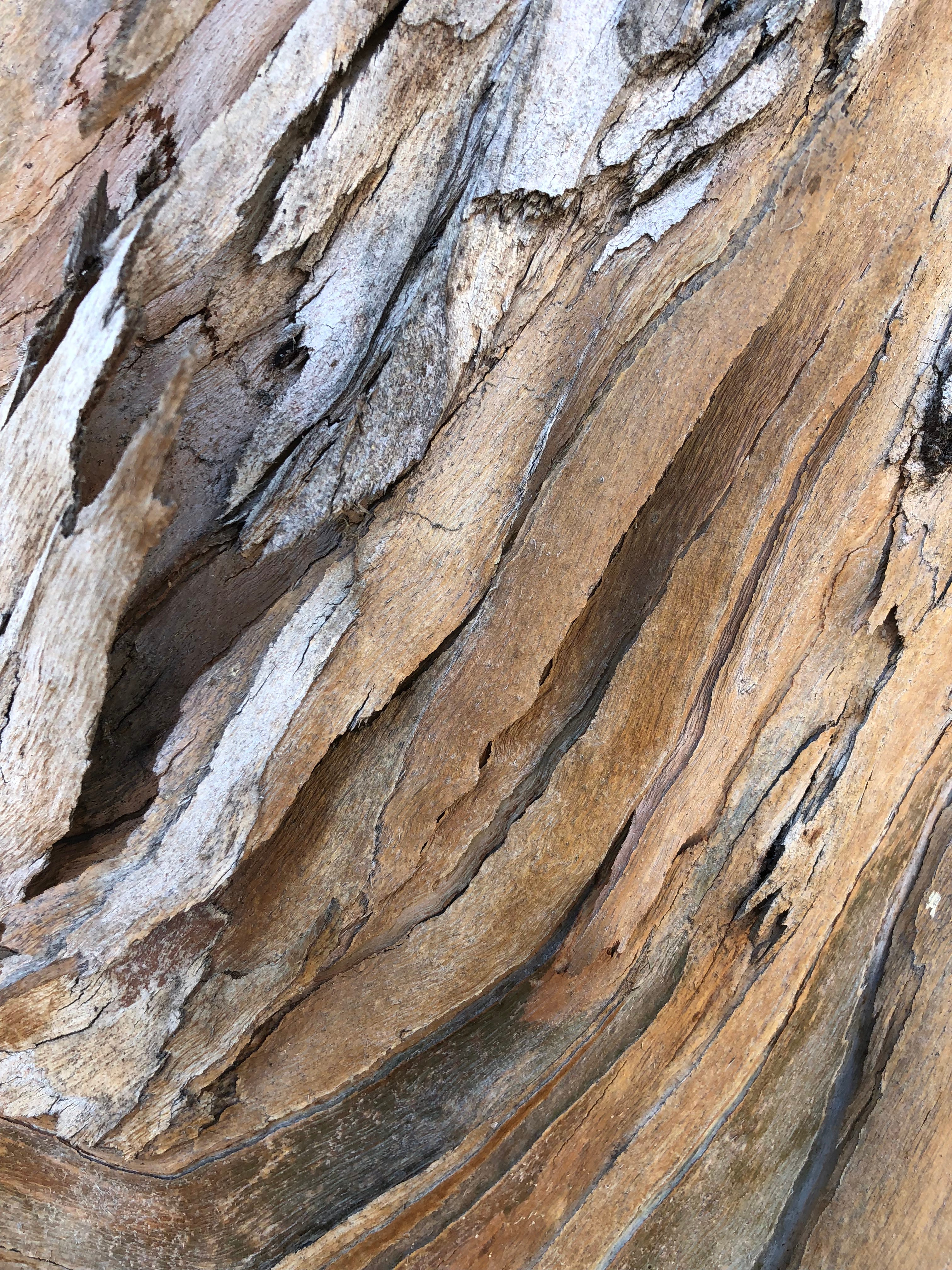
Down a road in the foothills overlooking Santa Barbara,California, from 2012 to 2015, I walked daily passed what was for me a very odd tree. It was about forty feet tall with egg-shaped leaves and white bottle-brush flowers. What made it special for me was its odd grey, beige, and white, extremely shaggy and spongy bark. Each day before work, I walked up to this tree to pat its squishy trunk.
Like me, this tree was not native to the area: I am from East St. Louis, Illinois; my tree buddy from New Guinea and the eastern coast of Australia. I know that in some places, like in the Everglades, this species of myrtle (Melaleuca quinquevervia), a relative of the eucalyptus tree, is considered a weed. But for me, it seems to be a very important source of intelligence.
You see, my paperbark tree, inspired in me a very important message about how to find success in the second half of my life. Given the wisdom of this communication, I would like to share this information with you.
As we age, working stops working so well for us. My tree friend suggests that this seemingly depressing situation is not so bad, after all. Here’s how this lesson unfolded for me.
After getting over how unique was this tree’s bark, being flaky enough in parts to leave a mess all over the nearby ground and deeply spongy in other parts so the tree can retain the often scarce rainfall, I began talking to this fellow immigrant.
I decided to not waste our time together on trivial questions, so I started out big: “What secret do others know that I don’t.” At first the answer was off-putting: It said: “Walk away.” I thought it meant that it wanted me to move on; but in time, the message evolved into “knowing when to walk away is the secret of many successful people.”
Intrigued, I returned daily for more guidance. My next visits added another dimension to the emerging advice: “The brain changes as we age.”
Repeated encounters helped me make sense of these two seemingly disparate notions.
Next came the odd message that professional decline—whether from not moving on or from a withering brain—is not necessarily a bad thing: “We don’t have to reach our prime at Fifty and then spend our remaining time lamenting our diminished capabilities.”
During the next visit came the answer to the obvious related quandary: “What do we have to do to find success in the second half of life? The Answer: “Nearly everyone’s prefrontal cortex—which is responsible for working memory, executive function (for planning, monitoring, attainment of goals), and the ability to focus—gradually loses its ability to improve upon one’s speciality. For most people, this deterioration begins in their Thirties and continues until they're in their Fifties.”
The “walk away” part of my tree-buddy’s message gradually became clarified in a way that can keep us from being so despondent about our diminished capabilities. “Walk away” means to stop our single-minded fixation on making prefrontal things: big discoveries, achieving great victories, or deriving great solutions; and instead walking under the guidance of other parts of the brain towards a different type of success.
The tree called the domineering mental capability of the first half of one’s work life “flowing sap reasoning” and the useful mental skill of the second half of life—the one we can use to avoid being depressed by our diminished flow of reasoning— "crystalized sap intelligence.” My response: “What’s the diff’?
To which the tree responded: “Use your fluid sap reasoning—your ability to think well on your feet and recall facts—to do great things during the first half of your career and “crystalized sap intelligence” to find deep fulfillment, meaning, and professional success in the second half of life, when it is best to emphasize something other than gaining power, building prestige, fact-finding, making discoveries, and uncovering solutions.
To which I said “And that fulfillment comes from ….?
“First, said the tree, dedicate yourself to service; and then, as you age, find your purpose but resign your hot seat of power. Don’t rely so much on your now diminished prefrontal cortex. Instead, simply share your wisdom. Become a mentor. Find a new comfortable seat in a think tank. Be sure to avoid any addiction to work and material success. Workaholism is a serious malady. Avoid assassination (physical or otherwise). Give advise, when asked. Diminish your reliance on fluid sap reasoning. Use your crystalized sap intelligence. Teach others. Rather than regretting your lost ability to amass rewards, walk away—as you go, find and reshape members of a younger generation. Let out your wisdom as you settle (figuratively or literally) into your quiet cabin in the woods.
As you sit in your rocking chair remember two things:
Unhappy is he who depends on material success to be happy. And
Listen to a big tree.
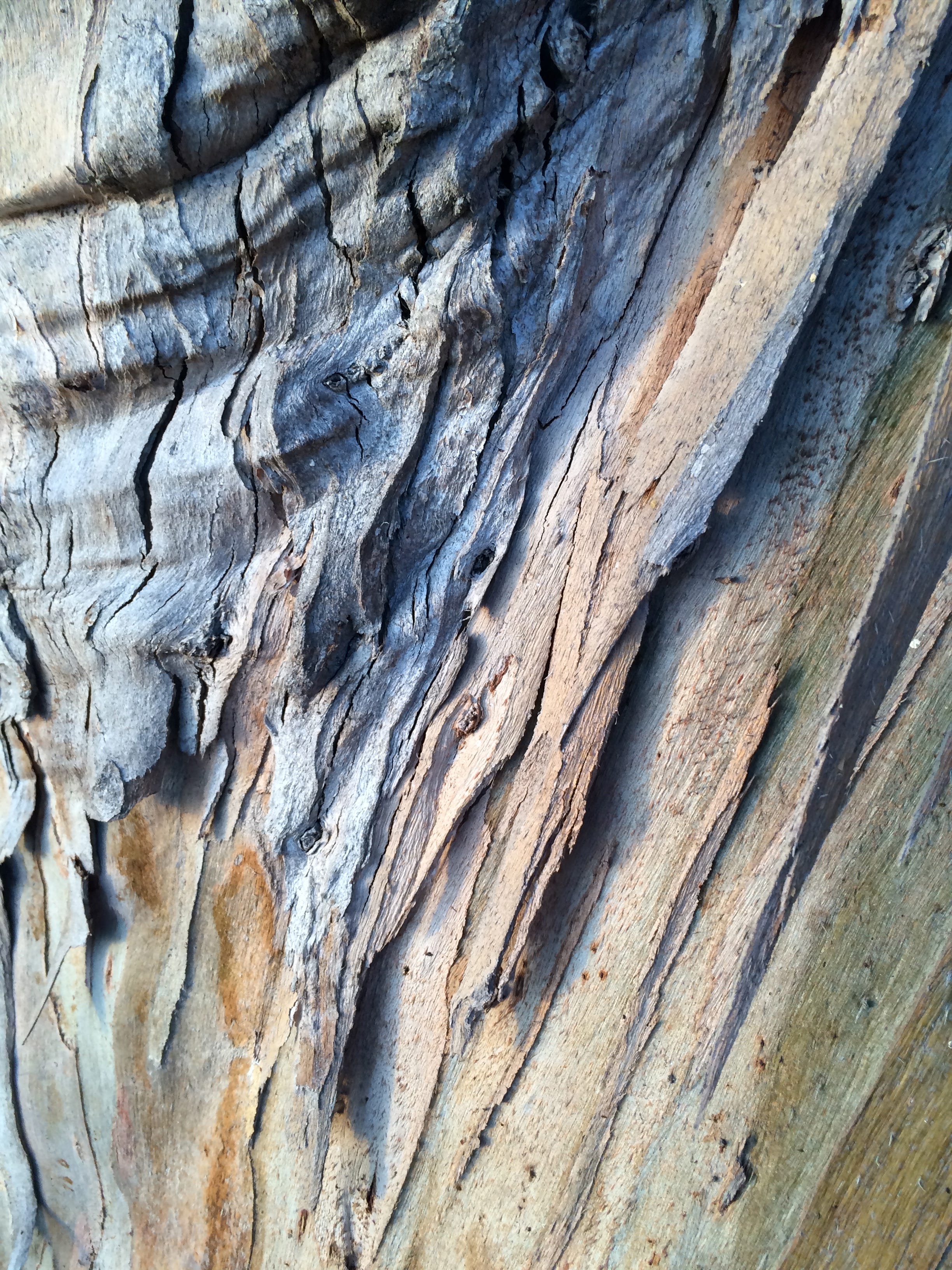
HumaNature Connect Activity
Here are five ways to find your purpose in nature:
Immersive Solitude: Spend time alone in a natural setting, free from distractions. Whether it's a forest, beach, or mountain, allow yourself to fully experience the environment. Listen to the sounds, observe the patterns, and let your thoughts wander. This solitude can help you connect deeply with your inner self and clarify your sense of purpose.
Mindful Observation: Practice mindfulness by observing the details of the natural world around you. Notice the way plants grow, how animals interact, or how the weather changes. Reflect on what these natural processes might teach you about your own life, resilience, growth, or interconnectedness.
Nature Journaling: Keep a journal where you document your experiences in nature. Write down your observations, feelings, and thoughts that arise during your time outdoors. Over time, patterns may emerge that point towards your deeper values, interests, and purpose.
Ecological Reflection: Contemplate your role within the larger ecosystem. Consider how your actions impact the environment and how you might contribute positively to the natural world. This reflection can lead to a sense of purpose grounded in stewardship and sustainability.
Rituals of Connection: Create rituals that connect you with nature, such as sunrise meditations, moonlit walks, or seasonal celebrations. These rituals can help you attune to the rhythms of nature and find a sense of belonging and purpose within the larger cycles of life.
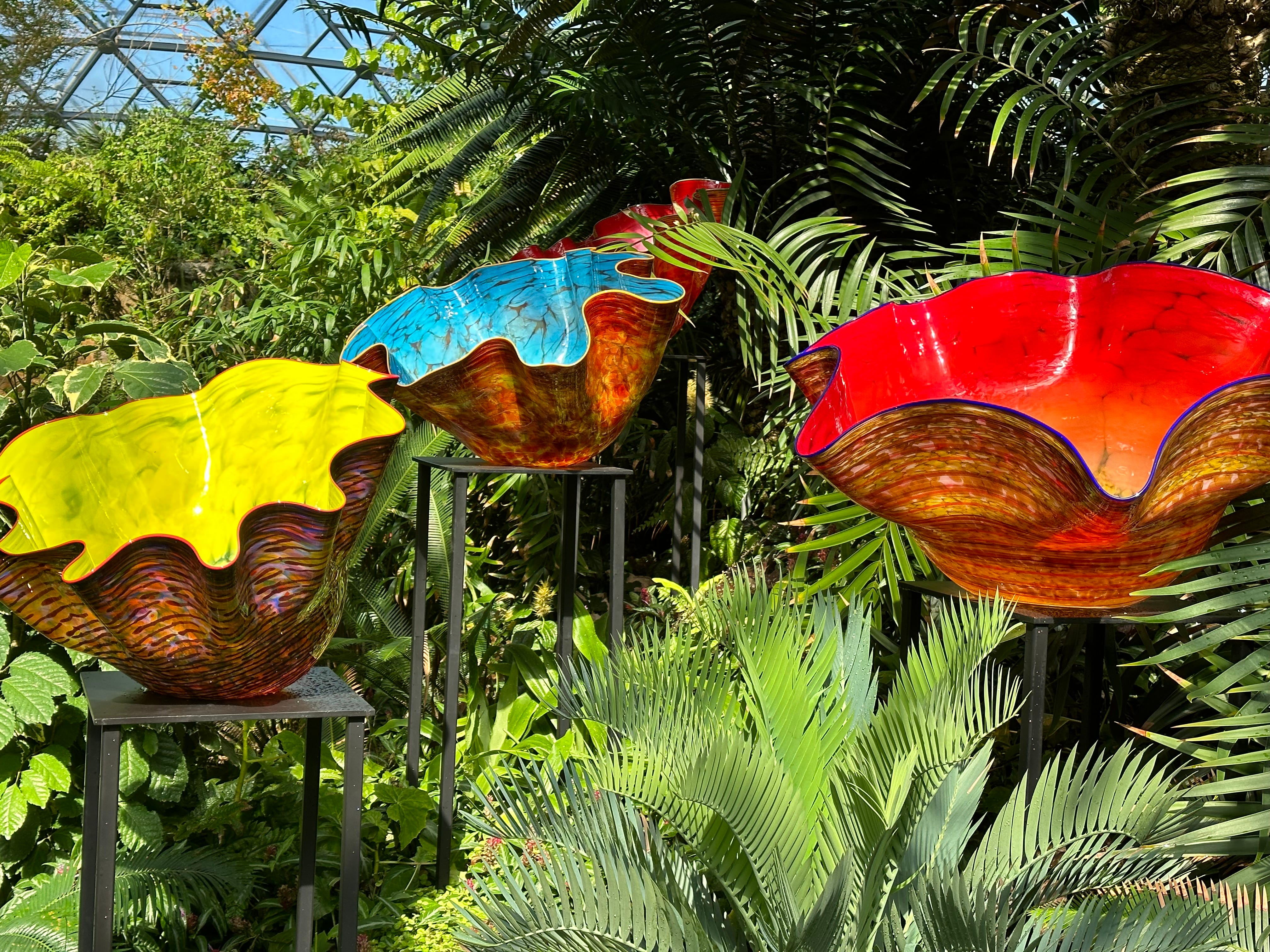
Nocturnal Pilgrimage
Here are five ways to find your purpose through your dreams:
Dream Journaling: Keep a dream journal by your bedside and write down your dreams as soon as you wake up. Over time, patterns, symbols, or recurring themes may emerge that can offer insights into your subconscious desires, fears, and aspirations, which may guide you towards your purpose.
Dream Incubation: Before going to sleep, set an intention to gain clarity on your purpose. You can do this by silently asking yourself a specific question or focusing on a particular issue. By planting this seed before sleep, you may receive guidance or inspiration through your dreams.
Lucid Dreaming: Practice lucid dreaming, where you become aware that you're dreaming while still in the dream state. Once lucid, you can consciously explore your dream environment, ask questions, and seek direct guidance on your purpose from the dream itself.
Symbolic Interpretation: Analyze the symbols and imagery in your dreams, considering what they might represent in your waking life. Certain symbols might hold personal significance, revealing deeper truths about your purpose and guiding you towards meaningful actions.
Engage with Dream Characters: During your dreams, interact with characters or figures that appear. Ask them questions or seek their advice. These dream characters can represent different aspects of your psyche, and their responses may offer valuable insights into your life’s purpose.

Don Pierce, St. Louis, Missouri.