

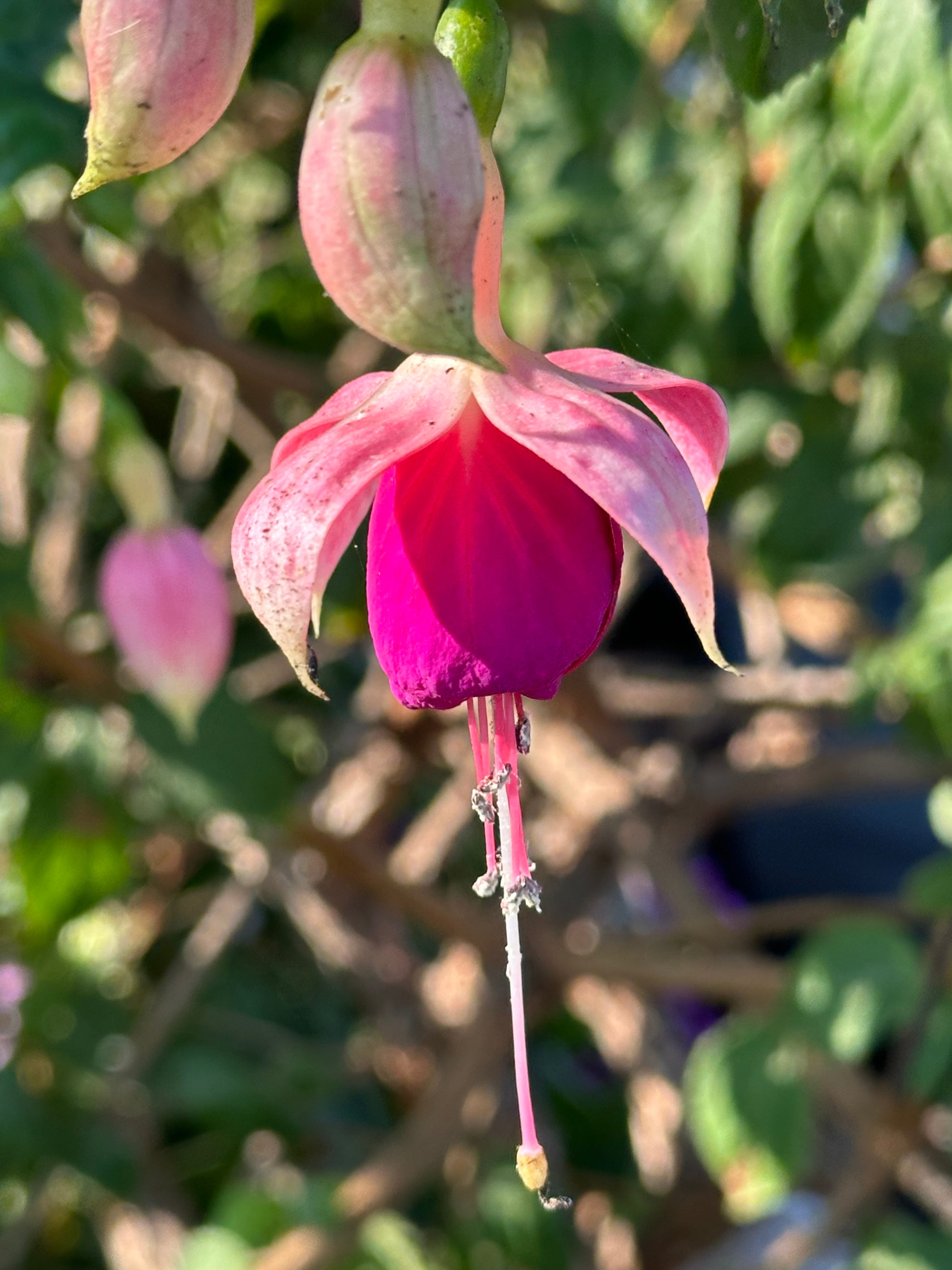
Nature’s Comedy of Taking Breaks: Movement and Turning Off Screens
Ah, the human condition. We are curious creatures, bound by our screens as if they were the sun, and we, mere moths. Yet, even moths know when to flit away. Humans? Not so much. We stay glued, hunched over our rectangles of light, our spines morphing into shapes resembling question marks—a poignant inquiry to the universe: “Why does my neck hurt?” Allow me, with a sprinkling of humor and nature metaphors, to enlighten you about the art of taking breaks, the magic of movement, and the glorious power of turning off those pixelated overlords.
The Tale of the Overworked Squirrel
Imagine a squirrel. Not just any squirrel, but one whose acorn stash rivals Bezos’s bank account. This squirrel never stops. Gathering, burying, sprinting. No rest. No pause. By spring, it’s a frazzled ball of fluff, looking like it accidentally stuck its tail in an electric socket. This squirrel, dear reader, is you—grinding endlessly, thinking, If I don’t keep going, I’ll miss out!
But here’s the thing: even the busiest squirrel knows to stop, to nibble on a nut, to bask in the sunbeam piercing through the canopy. A squirrel understands that movement isn’t just about hustling—it’s about shifting gears. It’s about climbing a tree, leaping from branch to branch, and reveling in the sensation of being alive.
What can you learn from our furry friend? Take breaks. Pause to nibble your proverbial nut (or snack, ideally one less acorn-y). Switch up your activities. A brain on a single task for too long becomes sluggish, like a squirrel that forgot how to leap.
The Great Migration of the Couch Potato
You may think, But I can’t just abandon my tasks! My work, my email, my streaming queue—all depend on me! Let’s address this using the noble wildebeest, a creature that instinctively knows the importance of movement. Every year, wildebeests embark on a massive migration. Why? Because staying in one place would mean starvation and, worse, boredom. They don’t debate their migration. They don’t say, “Maybe just one more YouTube video before I move.” They get up and go.
Humans, however, resist such wisdom. We remain stationary, becoming couch potatoes—an unfortunate species that never evolved past its tuberous form. But movement is essential. Whether it’s a walk around the block or a full-on frolic through a meadow, your body needs to move to remind itself that it’s not just a brain taxi.
Think of it this way: your body is like a river. When it flows, it thrives—clearing debris, nourishing life along its banks. But when it’s stagnant, it turns into a mosquito-infested bog. So, do you want to be a river or a bog? Exactly.
Screens: The Fireflies That Hypnotize
Ah, screens—the modern equivalent of campfire flames. They captivate us, their glow pulling us closer, whispering, Just one more scroll…one more click…one more episode. But unlike fireflies or campfires, screens don’t leave us with a sense of wonder; they leave us with eye strain and existential dread.
Let’s consider the owl, a wise creature of the night. While the owl might watch the world intently, it doesn’t stare at glowing rectangles for hours on end. Instead, it uses its time wisely: a bit of hunting, some moonlit flight, and a generous dose of contemplative hooting. The owl knows balance.
Turning off screens isn’t about depriving yourself; it’s about reclaiming your time. Imagine your attention as a flock of birds. Screens? They’re like a hungry hawk, scattering your focus. When you turn them off, your flock can settle, regroup, and fly in harmony again.
The Bumblebee’s Lesson in Movement
Bumblebees are tiny, fuzzy miracles of motion. They zip from flower to flower, never lingering too long, ensuring pollination continues. What if the bumblebee decided to binge-watch Netflix instead of buzzing about? The ecosystem would collapse. Flowers would wither. Fruit wouldn’t grow. Chaos!
Your life is like that field of flowers. Each task, each interaction, each thought needs a little pollination to flourish. But if you stay sedentary, staring at your screen, your field starts to wilt. So, be the bee. Move. Dance between flowers. Spread your energy to new spaces. And yes, actual dancing counts as movement.
The Power of Rest: Lessons from the Sloth
Let’s not forget the sloth—a creature that takes resting to an art form. While sloths move slowly, they move purposefully, climbing trees to snack on leaves or sunbathe in treetops. They understand that downtime isn’t laziness; it’s strategy.
Humans often conflate busyness with productivity. But true productivity, like the sloth knows, comes from balance. Rest allows your mind and body to recover, to prepare for the next burst of action. It’s like pruning a tree: you trim the branches not to weaken it, but to help it grow stronger.
When you turn off your screens and embrace rest, you’re giving yourself the sloth’s gift: a reset button. And if anyone calls you lazy for it, just remind them that sloths have survived for millions of years without checking email.
Practical Tips: The Trail Map to Balance
Take Micro-Breaks: Every 25 minutes, step away from your screen. Stretch, hydrate, or stare wistfully out the window like a poet pondering life’s mysteries.
Embrace Movement: Channel your inner cheetah. Whether it’s a brisk walk, yoga, or an impromptu living-room dance party, get your body moving.
Screen-Free Zones: Declare certain times or spaces as screen-free. Maybe your bedroom becomes a sanctuary for books and dreams, not blue light and binge-watching.
Go Outside: Nature isn’t just scenery; it’s therapy. Step into the wild, feel the breeze, and let the sun recharge you like the magnificent solar panel you are.
Laugh Often: Humor is the hummingbird of emotions—light, quick, and vital. A good laugh shakes off stress and reminds you that life isn’t all spreadsheets and deadlines.
Conclusion: Be the Forest
If you’ve made it this far without checking your phone, congratulations—you’re already practicing the art of taking a break! Remember, life is a forest, not a factory. Forests grow in cycles: sunlight and shade, activity and rest. They thrive on diversity, balance, and movement. Factories? They just hum along until something breaks.
So, be the forest. Move like the squirrel, the wildebeest, the bumblebee. Rest like the sloth. Let your life be a mix of vibrant motion and peaceful stillness. And most importantly, remember to unplug. The world beyond your screen is waiting, full of laughter, beauty, and the occasional squirrel asking, “Why so serious?”
HumaNatureConnect Activity
Outdoor Activity: "Pause in Nature – Discovering the Value of Taking Breaks"
Objective:
To help participants experience and understand the physical and mental benefits of taking breaks through engaging and reflective outdoor activities. Participants will connect with nature while learning how intentional pauses can enhance productivity, creativity, and overall well-being.
