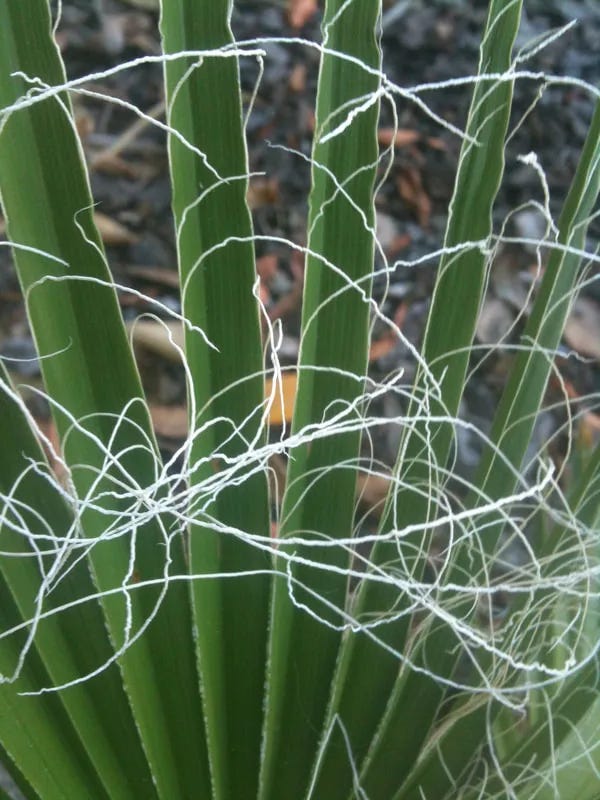
Photo by Don Pierce
Introduction to Interior Architecture
Interior architecture is the shape of coherence inside a person.
It is not the mind, not emotion, not identity, and not imagination.
It is the structural behavior of the inner world when it is stable enough to reveal Form.
Interior architecture is:
structural — it has shape
ecological — it behaves like climate, not objects
motionless — it changes without movement
inheritable — it can carry geometry forward
non‑spatial — it is not a place, but a condition
non‑temporal — it does not unfold in time
non‑narrative — it does not tell a story
It is the architecture of stance.
When interior architecture becomes visible, Form becomes present.
The Forms are architectural shifts:
Tightness — how coherence gathers
Width — how capacity appears
Depth — how continuity becomes accessible
Orientation — how direction reveals itself
Hold — how stability behaves
Yield — how receptivity becomes possible
Lineage — how geometry is carried
Inscription — how geometry is accepted
Interior architecture is the motionless structure through which the Heartwood Path becomes visible.
HumaNatureConnect Activity — Sensing Interior Architecture
A human‑level grounding for the Form Arc
This activity lets the reader feel interior architecture as a structural condition rather than a mental state.
It is simple, motionless, and ecological.
There is no visualization.
No imagination.
No metaphor.
Only stance.
Step 1 — Notice the Gathering
Sit or stand in a way that feels neutral.
Let your attention rest on the way coherence gathers inside you.
Not thoughts.
Not feelings.
Not breath.
Just the gathering.
Most people will sense:
a slight tightening
a quiet centering
a subtle unity
a gentle drawing‑in
This is the human analogue of Tightness — the First Form.
You are not creating it.
You are noticing it.
Step 2 — Notice the Room Around the Gathering
Without changing anything, notice the room around the gathering.
Not physical space.
Not imagination.
Just the sense that the interior has room around the coherence.
Most people will sense:
a widening
a softening
a gentle spaciousness
a field around the center
This is the human analogue of Width — the Second Form.
Again:
You are not expanding.
You are noticing.
Step 3 — Notice the Downward‑Inward Access
Now, without moving your attention, notice whether there is a downward‑inward access — a sense that something deeper is available without going anywhere.
Most people will sense:
a quiet depth
a subtle verticality
a gentle drop
a deeper layer beneath the surface
This is the human analogue of Depth — the Third Form.
You are not descending.
You are sensing access.
Step 4 — Notice the Angle of the Field
Stay with the same stance.
Notice whether the interior field has an angle — a direction that is present without turning toward it.
Most people will sense:
a slight leaning
a gentle orientation
a subtle forwardness
a direction that is already there
This is the human analogue of Orientation — the Fourth Form.
You are not choosing direction.
You are noticing the angle that is already present.
Step 5 — Notice the Stability
Now, sense whether the interior field feels stable enough to hold shape.
Most people will sense:
a quiet stillness
a gentle firmness
a subtle holding
a readiness to carry something
This is the human analogue of Hold — the Fifth Form.
You are not stabilizing.
You are noticing stability.
Step 6 — Notice the Permeability
Finally, sense whether the interior field feels permeable — able to receive without losing shape.
Most people will sense:
a gentle openness
a soft receptivity
a quiet transparency
a readiness to let something enter
This is the human analogue of Yield — the Sixth Form.
You are not opening.
You are noticing permeability.
What the Reader Has Just Experienced
Without using imagination, metaphor, or psychology, the reader has:
felt coherence gather (Tightness)
felt room appear (Width)
felt depth become accessible (Depth)
felt direction reveal itself (Orientation)
felt stability gather (Hold)
felt permeability appear (Yield)
This is the human‑level grounding for interior architecture.
It makes the Forms felt, not just understood.
It is the correct HNCA activity for the Interior Arc.
Nocturnal Pilgrimage
Let the material settle into the night.
Interior architecture does not reveal itself through effort.
It reveals itself through quiet continuity.
As the outer world dims, the inner field becomes more legible.
Coherence gathers differently in darkness.
Width softens.
Depth becomes accessible without seeking it.
Notice what returns in the morning —
not as thought,
not as memory,
but as a slight shift in stance,
a gentle change in how the interior holds itself.
The night carries the architecture.
The morning shows what it has done.