

The foundation of the main methodology used in the HumaNatureConnect Activities found along the Heartwood Path is called “Natural Attraction Ecology.” It can be summarized as follows:
Planet Earth is, or functions like, a living organism that has its own perfection.
Our living planet’s global life community enjoys non-literate communication between all of its plant, animal, and mineral members, including the sensory parts of humanity. All natural things are held together in communion by “webstrings” of attraction.
Webstrings are what tie together all the aspects of nature in the “web of life.” They are natural attractions.
According to Dr. Michael Cohen of Project NatureConnect, attraction is intelligent enough to be conscious of it being attracted and attractive. Humanity registers the world through the fifty-four natural senses previously mentioned.
Nature generates joy, purity, and balance because its essence is like an enduring stream of self-correcting natural attraction relationships that flow around, through, and in us. Natural attractions have the power to recycle and restore relationships, to create optimums of life, cooperation, diversity, and beauty throughout the web of life, including humanity.
Nature does not produce garbage or our runaway abusiveness, stress, pollution, isolation, and disorders. These afflictions are not attractive. They do not support life. The purpose of life is to support life.
By using Dr. Cohen’s methods, participants feel one with nature and achieve a sense of integrity that is integrated with the natural functions of the Earth. It is evident to just about anyone spending some quiet time in a natural area that nature has a powerful renewing and restorative effect on our psyche, thoughts, and feelings.
We humans know contact with nature works wonders.
We inherit from nature the ability to bond with nature.
We humans are part of nature and it is attracted to help us live in balance with it as part of its attraction to support/nurture/purify its own life and to grow. Time spent in a shopping mall rarely produces this effect.
Life would be better if we were thinking in a harmless nature-connected mode most of the time. Instead, we not only disconnect from nature, but we bury it under the nature exploitive stories of our society.
Irritated, our nature-deprived psyche demands more satisfactions continually and thus fuels our economy while producing pollutants. Learning to think in ways that help us make greater conscious sensory contact with nature, backyard to backcountry, has proven to help nature help us organically reverse the destructive and delusional story that we ordinarily march to. Cohen provides the means to accomplish an earth-preserving way of thinking by focusing on the forty-nine “natural attraction senses” in addition to the five traditional senses.
Our natural sense to breathe, by the way, is an example of human/nature oneness.
“As breathing involves a continual oscillation between exhaling and inhaling, offering ourselves to the world at one moment and drawing the world into ourselves at the next . . .so sensory perception entails a like reciprocity” (Abram, 2010, p. 61).
We breathe, touch, and perceive the Earth and the Earth breathes, touches, and perceives us. This is a purifying setup that we naturally love, find attractive, and can easily recognize to be intelligent.
This and other earth-human relationships require no labels to function. Having participants emulate this last aspect of Natural Attraction Ecology—the lack of names or the lack of words in nature—is very important to the success of Dr. Cohen’s methods. There are no words or names in nature and we open ourselves to the misconceptions of nature-dominating stories when we put them there. As Dr. Cohen says:
“. . . there is no substitute for the real thing, if a person is not in conscious connection with webstring attractions, they are probably playing god in some way without the wisdom to do so” (Cohen, Ecopsych Website).
Worded stories are either outright fantasies or are mere representations of facts. For these reasons, the emphasis in Dr. Cohen’s methodology is not on words or labels. Words are used in a limited way after the activities. It is then that participants report to others and attempt to achieve validation (as others validate that they too have had similar experiences or results). Otherwise the emphasis is on the direct experiences of actions. “Acts are facts,” says Dr. Cohen. Another example from natural attraction ecology is one’s sense of thirst. After doing Dr. Cohen’s related activity, one accepts that one’s thirst is as much a part of water as is wetness.
According to Natural Attraction Ecology, one’s thirst leads to an attraction to water and there is an inseparable relationship between the water and one’s attraction to it. One’s experience of Greer Spring in Missouri, for example, is, according to Natural Attraction Ecology, as much a part of the local ecology as is the water’s coolness. This realization and many more are discovered in Dr. Cohen’s Project NatureConnect courses though direct experience which is routinely validated through words with others.
Once we add living in the “N”ow” and “A”liveness to the “N”ameless, “I”ntelligent, “A”ttractive, “L”ove previously mentioned regarding the components of earth-human relationships, we are listing all of the ingredients of a particular form of psychological consciousness we humans naturally sense and enjoy; namely, a consciousness Cohen calls “NNIAAL” (Cohen, Ecopsych/Ecopsychology Journal Website). Reconnecting with “NNIAAL” is a vital component of Natural Attraction Ecology. It is also an encoded way to identify the Enduring Stream, mentioned previously. As you will discover in the next section, using the Natural Systems Thinking Process to reconnect with NNIAAL (or the Enduring Stream) is psychologically replenishing. I say “reconnect” because earlier in our history, more than one hundred years ago, we were still healthfully attached to the breast of nature and were, therefore, physically and psychologically nurtured. We as a species weaned ourselves from our mother’s bosom prematurely. This collective form of self-neglect damaged the shared fitness of our thinking. “The wellness of our thinking determines our health, relationships and destiny” (Cohen, 1987, p viii). Reconnecting with the psychological embrace that occurs at Mother Nature’s breast—a metaphorical way to say “communing with NNIAAL” or “bonding with the Enduring Stream,” is also a way to persevere. The Natural Systems Thinking Process “helps you restore and enjoy the rewarding benefits of the way nature works to produce its balanced perfection” (Cohen, 1987, p 9).
Although the following section may seem redundant, read it anyway. The next section contains both repeated and new information that all eartHearts need to understand. Repetition is the sire of excellence. The dominant methodology used along the Heartwood Path is called “Natural Attraction Ecology.”
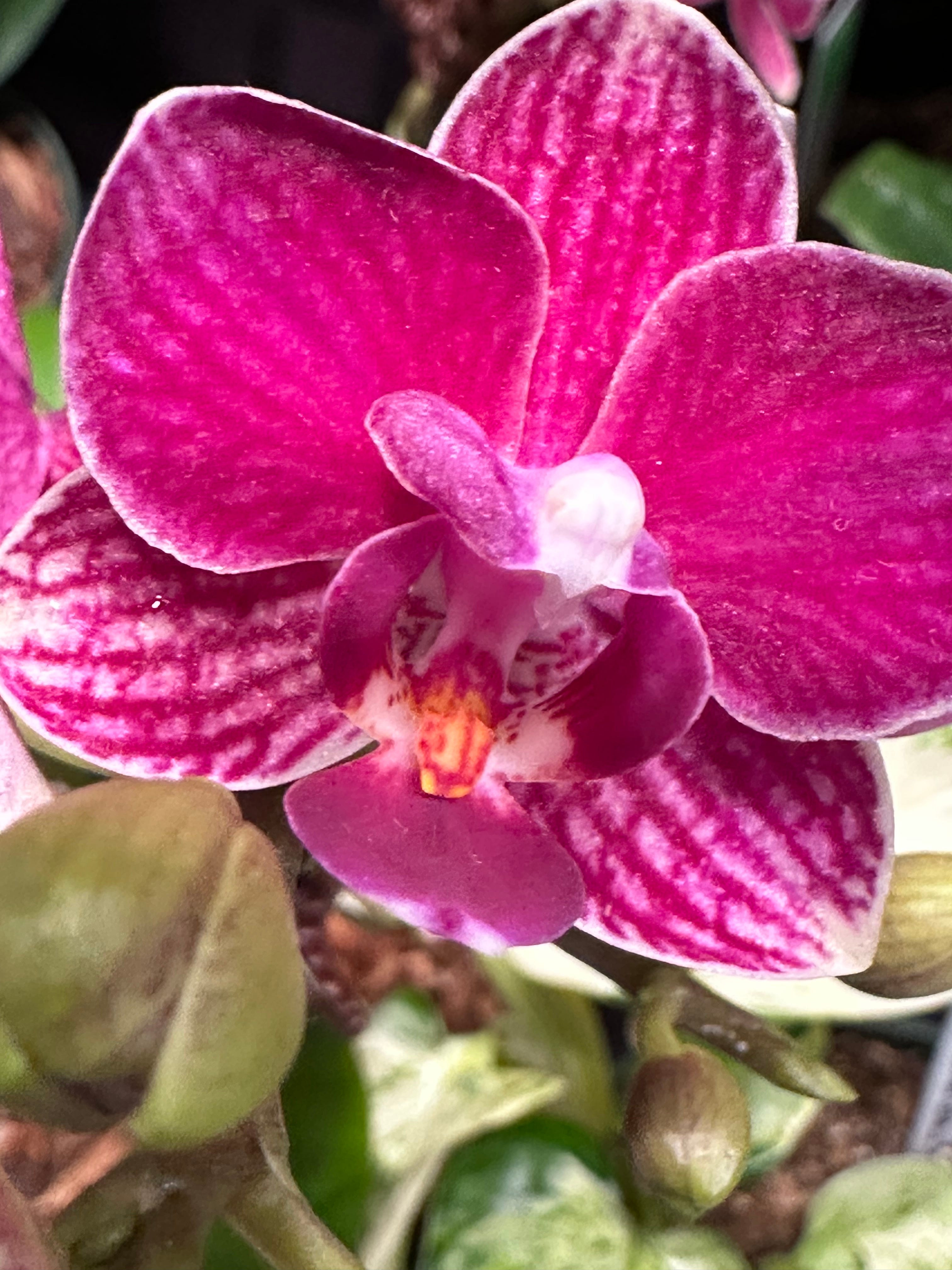
HumaNatureConnect Activity
Expressing Your Attractions In Nature
Here's a step-by-step guide for an outdoor activity aimed at helping people express their attractions to nature through nature journaling:
Choose a natural setting that inspires you. It could be a nearby park, a forest trail, a beach, or even your own backyard. Make sure it's a place where you feel comfortable spending time and where you can immerse yourself in nature.
Collect the necessary supplies for your nature journaling session. These may include a journal or sketchbook, pens, pencils, colored pencils, watercolors, brushes, a magnifying glass (optional), and any other materials you might want to use for documenting your observations.
Once you've arrived at your chosen location, find a comfortable spot where you can sit or stand for an extended period. Look for a place where you have a good view of your surroundings and where you can easily observe the natural elements around you.
Take a few moments to quiet your mind and observe your surroundings mindfully. Pay attention to the sights, sounds, smells, and textures of the environment. Notice the colors, shapes, and patterns in nature, as well as any wildlife or plant life that catches your eye.
Begin documenting your observations in your nature journal. Write down descriptive notes about what you see, hear, smell, and feel. Use words to capture your thoughts, feelings, and impressions of the natural world. You can also make sketches, drawings, or paintings to accompany your written observations.
Take the time to focus on the details of the natural elements you encounter. Use your senses to explore the textures, patterns, and intricacies of plants, rocks, insects, and other objects in nature. Use your journal to record these details in as much depth as possible.
Don't be afraid to experiment with different techniques and mediums in your nature journaling. Try different drawing styles, shading techniques, or watercolor washes to capture the essence of the natural world in your own unique way.
Take breaks throughout your nature journaling session to reflect on your experiences and connect with the environment on a deeper level. Consider how the natural world makes you feel and what it means to you personally. Use your journal as a space for self-expression and introspection.
Remember to enjoy the process of nature journaling and allow yourself to be fully present in the moment. Don't worry about creating perfect or polished artwork—focus instead on capturing the beauty and essence of nature as you see it.
Once you feel satisfied with your nature journaling session, take a moment to review your work and reflect on what you've accomplished. Consider sharing your journal entries with others who share your love of nature, whether it's friends, family, or fellow nature enthusiasts.
By following these steps, you can engage in an outdoor activity that helps you express your attractions to nature through the art of nature journaling.
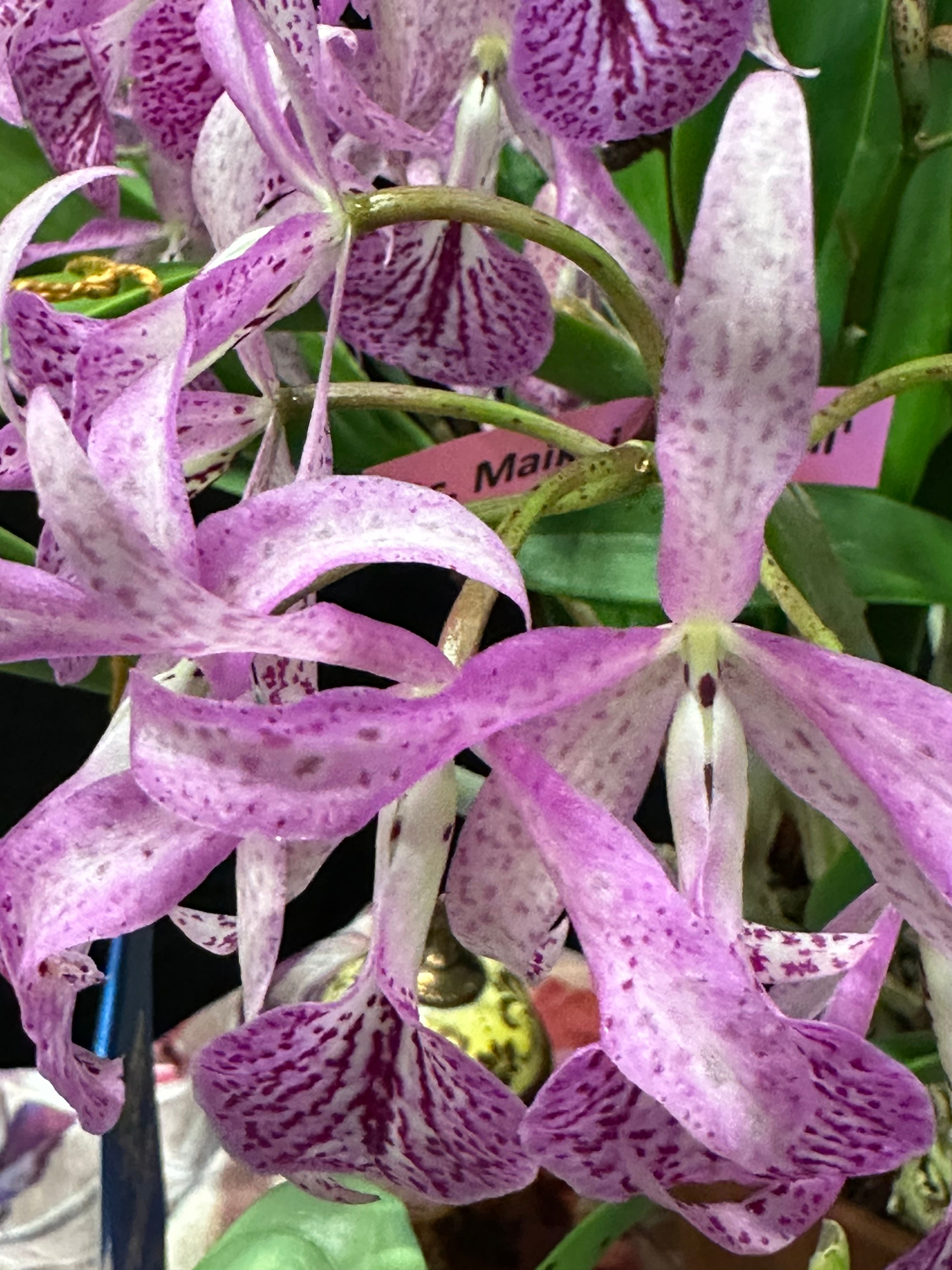
Nocturnal Pilgrimage
Dreaming About Natural Attractions
Here's a step-by-step process to encourage dreaming about favored attractive natural beings:
Before going to sleep, set a clear intention to dream about your favored attractive natural beings. Visualize the specific elements of nature you find most appealing and imagine encountering them in your dreams.
Prepare your sleeping environment to promote relaxation and deep sleep. Ensure your bedroom is comfortable, quiet, and free from distractions. Dim the lights, play soothing music or nature sounds if desired, and consider using essential oils like lavender to promote relaxation.
Engage in relaxation techniques to calm your mind and body before bedtime. This could include deep breathing exercises, progressive muscle relaxation, meditation, or gentle stretching. Relaxing your body can help create the optimal conditions for vivid dreaming.
Spend some time before bed reflecting on your favored attractive natural beings. Recall past experiences in nature that have brought you joy or inspiration. Visualize the sights, sounds, smells, and sensations associated with these experiences to immerse yourself in the natural world mentally.
Develop a bedtime ritual specifically aimed at encouraging dreams about nature. This could involve activities such as journaling about your favorite natural settings, looking at photos of beautiful landscapes, or reading poetry or literature inspired by nature. Engaging in these activities can help focus your mind on nature before sleep.
Repeat affirmations related to dreaming about nature as you prepare for sleep. Affirmations such as "I will dream about my favorite natural beings tonight" or "My dreams are filled with the beauty of nature" can help reinforce your intention and program your subconscious mind for nature-themed dreams.
Keep a dream journal by your bedside to record any dreams you have during the night. As soon as you wake up, write down any details you remember from your dreams, including images, feelings, and sensations related to nature. Keeping a dream journal can help you recognize patterns in your dreams and deepen your connection to nature imagery over time.
Remember that dreaming is a complex and unpredictable process, and it may take time to dream about your favored attractive natural beings. Be patient with yourself and continue practicing these techniques consistently to increase the likelihood of nature-themed dreams.
Take a few moments upon waking to reflect on any dreams you had during the night. Pay attention to any nature-related themes or imagery that emerged in your dreams. Even if you didn't dream specifically about your favored natural beings, acknowledge any connections to nature that appeared in your dreams.
Regardless of whether you dreamt about your favored attractive natural beings, express gratitude for the beauty and wonder of the natural world. Cultivating a sense of gratitude can deepen your appreciation for nature and inspire further connections in your waking life.
By following these steps and incorporating nature-focused techniques into your bedtime routine, you can increase the likelihood of dreaming about your favored attractive natural beings and strengthen your connection to the beauty of the natural world through your dreams.

Don Pierce, St. Louis, Missouri.