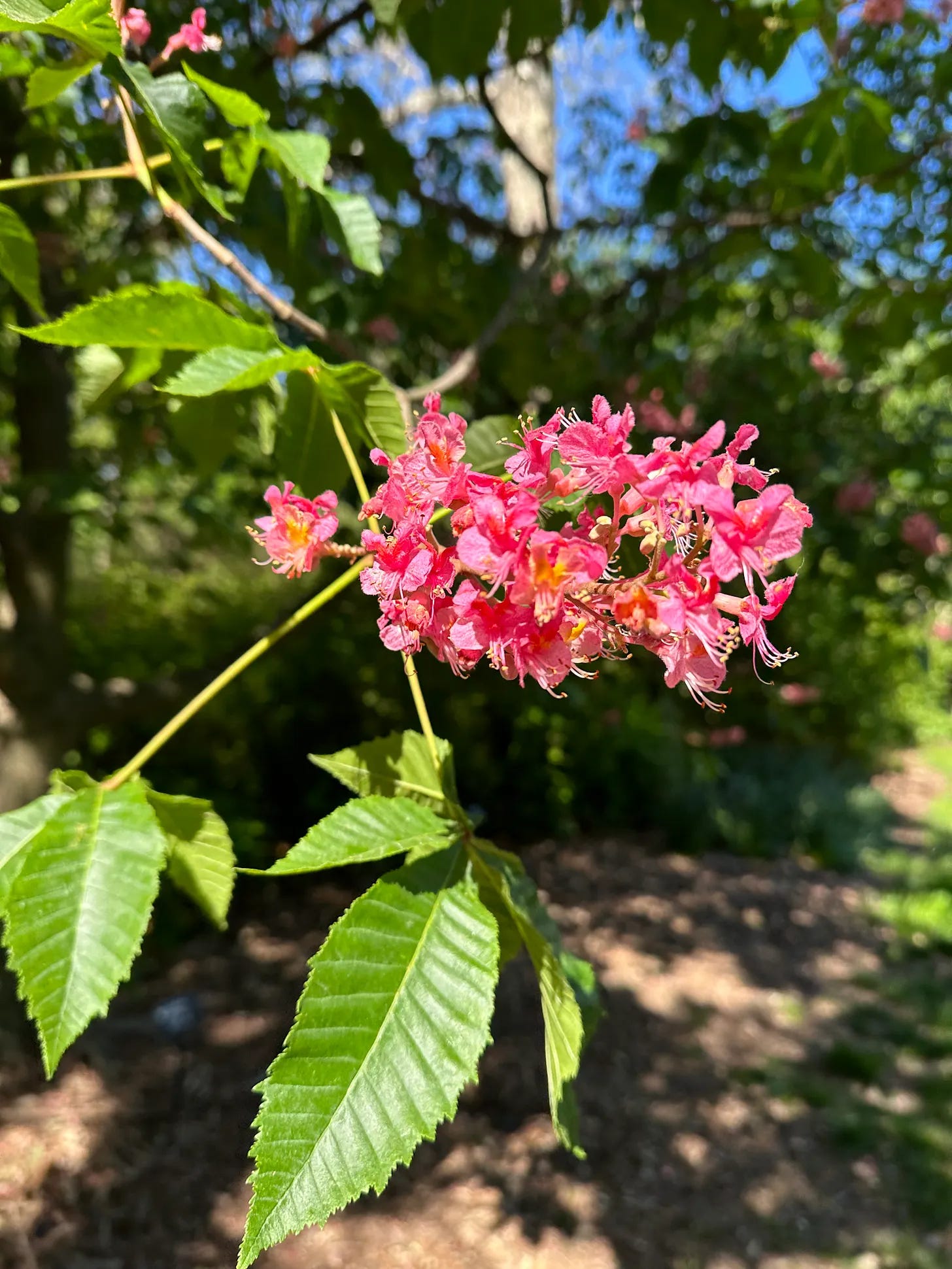
Photo by Don Pierce
Introduction — Continuity as Ecological Motion
Continuity is the ecological motion that allows identity to remain itself while moving through life. It is not sameness, not repetition, not rigidity. Continuity is the motion of identity that adapts, renews, stabilizes, and expresses itself across environments.
WP5 explains how identity travels — how it moves through coherence, variation, renewal, adaptation, relationship, and personhood.
Layer 1 — Continuity Begins in Coherence
Continuity begins when interior energy is coherent enough to form a recognizable silhouette. Without coherence, identity blurs. With coherence, identity becomes visible and transferable.
Personal Example
You wake up scattered — too many thoughts, too many micro‑identities. After grounding, your energy gathers. Your silhouette reforms. Continuity begins.
Ecological Example
A stream becomes a river only when its flow gathers into one direction. Coherence creates continuity.
Activity (Day‑Side Motion)
Coherence Reset
Pause for 10 seconds.
Place attention in your trunk.
Gather scattered energy into one center.
Nocturnal Pilgrimage (Night‑Side Motion)
Nightly Descent into Coherence
Before sleep, release any energy that does not belong to you.
Let your interior tree settle back into unity.
Layer 2 — Continuity Stabilizes Through Variation
Continuity is not rigidity. It is the ability to express identity through multiple variations that all belong to the same lineage.
Personal Example
You speak differently with a friend than with a client, but both expressions feel like you. Variation stabilizes continuity.
Ecological Example
A tree’s leaves change shape, color, and texture across seasons — but the tree remains itself. Variation is continuity’s ecological engine.
Activity (Day‑Side Motion)
Silhouette Variation Mapping
List 3–5 natural expressions of your presence.
Notice how each one belongs to the same identity.
Nocturnal Pilgrimage (Night‑Side Motion)
Nightly Variation Reflection
Before sleep, recall one variation of yourself expressed today.
Feel how it belonged to your lineage.
Layer 3 — Continuity Renews Through Composting
Continuity requires renewal. Renewal requires composting. Composting requires letting go of what no longer fits.
Personal Example
You realize a role you’ve been carrying — caretaker, fixer, performer — no longer fits your silhouette. You release it. Continuity strengthens.
Ecological Example
Forest soil becomes rich because leaves fall, decay, and transform. Composting is renewal.
Activity (Day‑Side Motion)
Identity Composting Practice
Write down one identity fragment that no longer fits.
Release it consciously.
Nocturnal Pilgrimage (Night‑Side Motion)
Nightly Composting Descent
Let the day’s residue fall away.
Let your interior soil renew itself.
Layer 4 — Continuity Adapts Across Environments
Continuity is the ability to maintain identity while adjusting motion across environments.
Personal Example
You move from a quiet morning to a busy afternoon. Your pace changes, but your tone stays coherent. Continuity adapts.
Ecological Example
A river widens, narrows, slows, or accelerates depending on terrain — but it remains the same river.
Activity (Day‑Side Motion)
Environmental Transition Ritual
Create a 30‑second ritual when entering or leaving a space.
Let your identity adjust without distortion.
Nocturnal Pilgrimage (Night‑Side Motion)
Nightly Adaptation Release
Before sleep, release the environmental tones you carried.
Return to your original pace.
Layer 5 — Continuity Expresses Itself Through Relationship
Identity becomes fully continuous only when it can remain itself in relationship.
Personal Example
You speak with someone who challenges you. You adjust your stance, but your identity remains intact. Continuity expresses itself.
Ecological Example
Two trees grow near each other. Their branches adapt to each other’s presence, but each tree remains itself.
Activity (Day‑Side Motion)
Relational Ecology Alignment
Sense the relational tone.
Adjust without losing your silhouette.
Nocturnal Pilgrimage (Night‑Side Motion)
Nightly Relational Release
Let relational influence fall away.
Return to your solitary coherence.
Layer 6 — Continuity Becomes Personhood
Continuity reaches its final motion when identity becomes lived personhood — expressed naturally across environments, relationships, and seasons.
Personal Example
You move through your day without performing, compensating, or adjusting your identity. You simply live. Personhood emerges.
Ecological Example
A mature tree expresses its identity effortlessly — through bark, branches, leaves, presence. It does not try to be itself. It is itself.
Activity (Day‑Side Motion)
Personhood Expression Practice
Let your natural tone guide how you speak, listen, and move.
No performance. No compensation.
Nocturnal Pilgrimage (Night‑Side Motion)
Nightly Personhood Descent
Before sleep, feel the parts of your identity that were lived today.
Let them settle into continuity.
Conclusion — Continuity Is the Motion of Identity Through Life
Continuity is the ecological motion that allows identity to remain itself while moving through the world.
WP5 is now fully complete — architecturally and ecologically.
This wave is the trunk.
Now the crown can be placed.