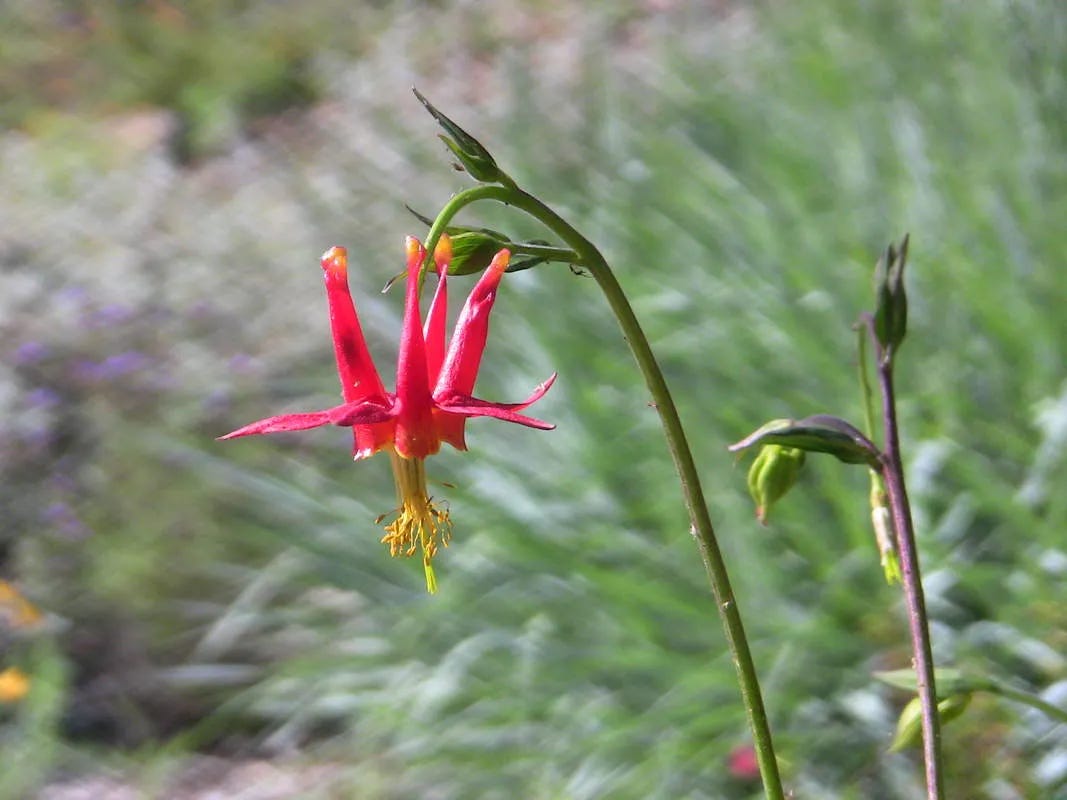
Photo by Don Pierce
The Vascular System is the movement architecture of the interior Tree.
Where Article One revealed the canopy, and Article Two revealed the structure, Article Three reveals the movement ancestry — the original interior movements that later became the motionless stance system.
Before stance became motionless, the interior Tree expressed eight movements:
Six Descending Rungs — downward‑inward movements
Two Ascending Rungs — upward‑outward movements
These movements are not metaphors.
They are proto‑vascular behaviors of the interior field — the earliest architecture of continuity.
They interact with the same five ecological principles:
Energy
Diversity
Renewal
Change
Relationship
This creates the Vascular Ecology Grid — the movement ecology beneath stance.
THE VASCULAR ECOLOGY GRID — ALL 40 CELLS
Eight movements × five ecological principles = 40 interior behaviors.
DESCENT OF CENTER × Ecology
Movement toward coherence
Center × Energy — Coherence brightens
Center × Diversity — Coherence admits variation
Center × Renewal — Coherence restores
Center × Change — Coherence stabilizes
Center × Relationship — Coherence anchors
DESCENT OF ROOM × Ecology
Movement toward capacity
Room × Energy — Capacity expands
Room × Diversity — Capacity admits difference
Room × Renewal — Capacity decompresses
Room × Change — Capacity flexes
Room × Relationship — Capacity receives
DESCENT OF CONTINUITY × Ecology
Movement toward grounding
Continuity × Energy — Grounding brightens
Continuity × Diversity — Grounding integrates
Continuity × Renewal — Grounding restores
Continuity × Change — Grounding stabilizes transitions
Continuity × Relationship — Grounding deepens
DESCENT OF DIRECTION × Ecology
Movement toward angle
Direction × Energy — Angle sharpens
Direction × Diversity — Angle clarifies
Direction × Renewal — Angle resets drift
Direction × Change — Angle reorients
Direction × Relationship — Angle aligns
DESCENT OF STABILITY × Ecology
Movement toward firmness
Stability × Energy — Firmness strengthens
Stability × Diversity — Firmness holds variation
Stability × Renewal — Firmness reforms
Stability × Change — Firmness stabilizes
Stability × Relationship — Firmness supports
DESCENT OF OPENNESS × Ecology
Movement toward permeability
Openness × Energy — Permeability receives
Openness × Diversity — Permeability admits variation
Openness × Renewal — Permeability softens
Openness × Change — Permeability adapts
Openness × Relationship — Permeability deepens contact
ASCENT OF CLARITY × Ecology
Movement toward upward direction
Clarity × Energy — Direction brightens
Clarity × Diversity — Direction distributes
Clarity × Renewal — Direction resets
Clarity × Change — Direction adapts
Clarity × Relationship — Direction connects
ASCENT OF CONTACT × Ecology
Movement toward upward connection
Contact × Energy — Connection brightens
Contact × Diversity — Connection expands
Contact × Renewal — Connection restores
Contact × Change — Connection shifts
Contact × Relationship — Connection deepens
THE SIX DESCENDING RUNGS
Downward‑inward movements that became the six stances
These movements describe how the interior field originally descended into stance.
1. Descent of Center
The interior field gathers downward‑inward into coherence.
Personal Example
A moment of rising pressure.
Your interior field gathers downward instead of tightening upward.
Center descends.
Ecological Example
A tree’s core gathers coherence during wind.
Descent stabilizes.
This movement became Tightness — the stance of Center.
2. Descent of Room
The interior field widens downward‑inward into capacity.
Personal Example
A complex conversation begins.
Your interior field widens downward instead of expanding outward.
Room descends.
Ecological Example
Soil widens to admit roots.
Capacity descends.
This movement became Width — the stance of Room.
3. Descent of Continuity
The interior field drops into grounding and continuity.
Personal Example
A setback occurs.
Your interior field drops downward‑inward instead of reacting upward.
Continuity descends.
Ecological Example
Roots deepen after disturbance.
Grounding descends.
This movement became Depth — the stance of Continuity.
4. Descent of Direction
The interior field leans downward‑inward into angle.
Personal Example
A decision needs clarity.
Your interior field leans downward‑inward.
Angle descends.
Ecological Example
Branches angle downward before rising.
Direction descends.
This movement became Orientation — the stance of Direction.
5. Descent of Stability
The interior field firms downward‑inward into stability.
Personal Example
A chaotic moment arrives.
Your interior field firms downward instead of bracing upward.
Stability descends.
Ecological Example
A trunk firms downward into roots.
Stability descends.
This movement became Hold — the stance of Stability.
6. Descent of Openness
The interior field softens downward‑inward into permeability.
Personal Example
Someone brings strong emotion.
Your interior field softens downward instead of opening outward.
Openness descends.
Ecological Example
Soil softens downward to admit water.
Permeability descends.
This movement became Yield — the stance of Openness.
THE TWO ASCENDING RUNGS
Upward‑outward movements that complete the arc
After the interior field descends into stance, it rises through two upward movements.
7. Ascent of Clarity
The interior field rises through:
Orientation (angle)
Depth (continuity)
Personal Example
A team needs direction.
Your interior field rises upward through angle and continuity.
Clarity ascends.
Ecological Example
Branches rise toward light.
Direction ascends.
Clarity is the upward counterpart to the Descent of Continuity and Direction.
8. Ascent of Contact
The interior field rises through:
Yield (permeability)
Hold (stability)
Tightness (center)
Personal Example
A relational moment opens.
Your interior field rises upward through permeability, stability, and center.
Contact ascends.
Ecological Example
Leaves rise into contact with light and air.
Connection ascends.
Contact is the upward counterpart to the Descent of Openness and Stability.
THE MOVEMENT ECOLOGY OF LEADERSHIP
The Vascular System is the movement ancestry of stance.
It shows how continuity originally traveled inside the leader:
downward into stance
upward into clarity and contact
across into ecological behavior
When leaders inhabit all eight movements, they gain:
coherent descent
stable grounding
directional ascent
relational contact
ecological continuity
This is the movement engine of leadership.
ACTIVITY 1 — Descent of Center Sensing
Sit quietly.
Sense where coherence gathers downward‑inward.
ACTIVITY 2 — Descent of Room Widening
Sense where capacity widens downward‑inward.
ACTIVITY 3 — Descent of Continuity Drop
Sense where continuity drops downward‑inward.
ACTIVITY 4 — Descent of Direction Lean
Sense where angle leans downward‑inward.
ACTIVITY 5 — Descent of Stability Firming
Sense where stability firms downward‑inward.
ACTIVITY 6 — Descent of Openness Softening
Sense where permeability softens downward‑inward.
ACTIVITY 7 — Ascent of Clarity Rising
Sense where direction and continuity rise upward‑outward.
ACTIVITY 8 — Ascent of Contact Rising
Sense where permeability, stability, and center rise upward‑outward.
NOCTURNAL 1 — Center Nightfall
Let coherence descend quietly.
NOCTURNAL 2 — Room Nightfall
Let capacity widen downward.
NOCTURNAL 3 — Continuity Nightfall
Let grounding deepen.
NOCTURNAL 4 — Direction Nightfall
Let angle soften downward.
NOCTURNAL 5 — Stability Nightfall
Let firmness settle downward.
NOCTURNAL 6 — Openness Nightfall
Let permeability soften downward.
NOCTURNAL 7 — Clarity Night Ascent
Let direction rise quietly.
NOCTURNAL 8 — Contact Night Ascent
Let connection rise gently.