

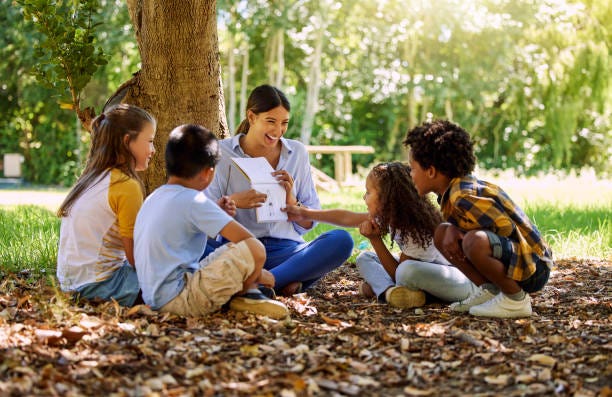
Photo by PeopleImages, Pexels.com.
While nature itself doesn't use words, reading to a child—especially in natural settings or with nature-themed stories—can mirror the experience of connecting with the natural world.
Both activities foster deep, relational engagement and shared attention, enhancing cognitive and emotional development.
Reading outdoors amplifies this connection. Natural environments provide sensory-rich backdrops—like rustling leaves and birdsong—that enhance storytelling and stimulate imagination. This setting can deepen a child's engagement and foster a sense of wonder, promoting cognitive and emotional development .
Moreover, nature-themed literature can cultivate ecological empathy in children. Stories featuring animals, plants, and natural cycles encourage understanding and respect for interdependencies in nature, translating that understanding into their human relationships .
In essence, reading to a child—especially in natural settings or with nature-centric stories—is not only a nurturing act but also a profound way to connect with and honor the natural world.
Reading to a child is a natural and profoundly beneficial act that nurtures development across emotional, cognitive, and social domains. Here are five compelling reasons why:
Strengthens Emotional Bonds.
Shared reading time fosters closeness and emotional security between caregiver and child. The physical closeness and shared attention during reading sessions provide a comforting and nurturing environment, enhancing the parent-child relationship .
Enhances Language and Cognitive Development.
Regular reading exposes children to a wide array of words and sentence structures, helping them expand their vocabulary and grasp of language. This foundation is crucial for effective communication and sets the stage for academic success .
Fosters Empathy and Emotional Intelligence.
Engaging with stories allows children to experience diverse perspectives and emotions, fostering empathy and compassion. Books are windows into different cultures, experiences, and perspectives, enabling children to walk in the shoes of characters from diverse backgrounds .
Stimulates Imagination and Creativity.
Reading introduces children to new worlds and ideas, encouraging imaginative thinking and creativity. This stimulation is essential for cognitive development and can inspire children to create their own stories and artistic expressions .
Promotes Social and Emotional Development.
Books teach children life lessons and help parents discuss real-world situations in age-appropriate ways. Reading together helps children learn how to navigate different social situations, enhancing their social skills and emotional understanding .
In essence, reading to a child is a natural act that not only strengthens the caregiver-child bond but also lays a robust foundation for the child's holistic development.
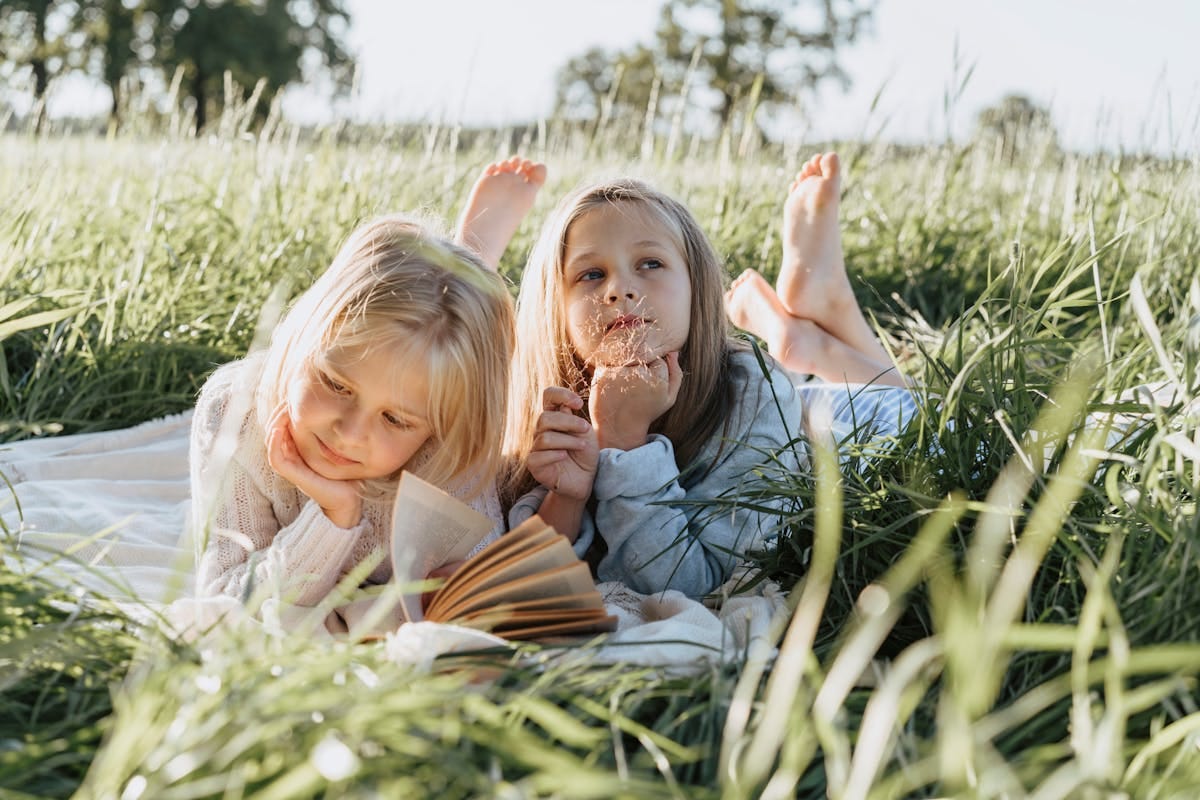
Photo by Olia Danilevich, Pexels.com.
HumaNatureConnect Activity
Nature Story Walk
Transform a simple nature walk into an interactive storytelling adventure. This activity encourages children to engage with their surroundings while enhancing their literacy skills.
Steps:
Select a Suitable Book:Choose a children's book that aligns with nature themes, such as We're Going on a Bear Hunt or The Gruffalo.
Prepare the Story Pages:Print out pages or key excerpts from the book. If possible, laminate them to protect against the elements.
Set Up the Story Trail:Along a safe and accessible outdoor path, attach the story pages to trees, stakes, or other natural features at intervals. Ensure the sequence follows the narrative of the book.
Embark on the Story Walk:Guide the child along the path, reading each page aloud together. Encourage them to observe their surroundings and relate elements of the story to the natural environment.
Engage with Interactive Elements:Incorporate simple activities at each stop, such as mimicking animal movements, identifying plants, or collecting natural items mentioned in the story.
Conclude with a Discussion:At the end of the walk, discuss the story's themes and how they connect to the natural world. Encourage the child to share their favorite part of the walk and the story.
Benefits:
Enhances reading and comprehension skills in an engaging setting.
Fosters a deeper connection with nature.
Promotes physical activity and sensory exploration.
Encourages imaginative thinking and storytelling.
This activity is adaptable to various environments and can be modified to suit different age groups and reading levels. It's a wonderful way to combine literacy development with the joys of outdoor exploration.

Photo by Dhemer Gonclaves, Pexels.com.
Nocturnal Pilgrimage
Why Nighttime Reading Is a Natural and Nurturing Ac:
