

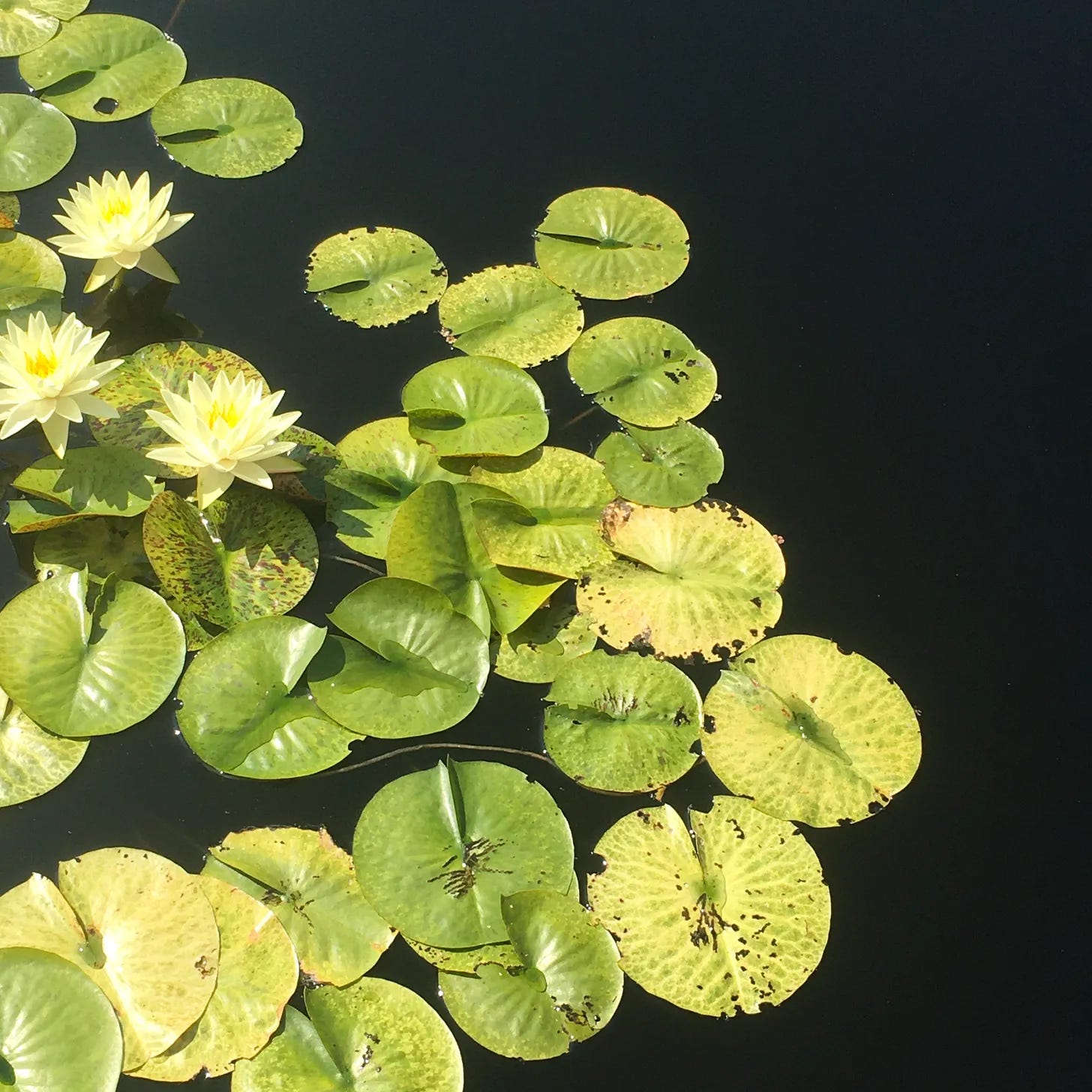
Photo by Don Pierce
Fear is not just an emotion.
It is a landscape — a terrain the nervous system moves through, shaped by biology, memory, environment, and the body’s instinct to protect itself.
When someone is overwhelmed, frightened, or caught in painful thoughts, they are not “imagining things.” They are navigating a nervous system that is doing its best to keep them safe, even when the danger is internal rather than external.
Understanding this landscape helps caregivers stay compassionate.
It helps people in distress feel less ashamed.
And it helps everyone involved recognize why nature is such a powerful companion.
The Nervous System’s First Job Is Survival
The nervous system is always scanning the world for danger.
It looks for:
sudden movement
loud sounds
changes in tone
unfamiliar faces
signs of threat
signs of safety
This scanning happens automatically — long before conscious thought.
When the nervous system senses danger, it shifts into a state of protection.
This state changes everything:
breathing
heart rate
attention
interpretation
memory
perception
Fear is not a choice.
It is a physiological response.
Why Fear Feels So Convincing
When the nervous system enters a threat state, the mind follows.
In this state:
neutral events feel meaningful
coincidences feel intentional
silence feels loaded
shadows feel alive
uncertainty feels dangerous
This is not irrational.
It is the nervous system trying to protect you by preparing for the worst.
Fear feels convincing because the body is convinced.
The Role of Sensory Overload
Modern environments overwhelm the senses:
screens
noise
crowds
social pressure
unpredictable movement
constant information
When the senses are overloaded, the nervous system becomes jumpy.
It misreads signals.
It overreacts.
It prepares for danger even when none is present.
This is why fear can feel sudden, intense, and confusing.
The landscape of fear is shaped by sensory overload.
Why Nature Softens Fear
Nature reduces sensory load.
It offers:
soft sounds
rhythmic movement
predictable patterns
gentle colors
non‑judgmental presence
This gives the nervous system something it rarely receives:
a clear signal of safety.
In nature:
the body slows
the breath deepens
the senses settle
the mind widens
fear loses its momentum
Nature does not argue with fear.
It dissolves the conditions that feed it.
A Practice: Mapping the Landscape
This practice helps someone understand their fear without being swallowed by it.
Step 1 — Step outside or look out a window.
Find one natural element — a tree, a cloud, a patch of light.
Step 2 — Say silently or aloud:
“My nervous system is trying to protect me.”
Step 3 — Notice one sensation in your body.
Tightness, warmth, pressure, breath.
Step 4 — Notice one thing in the environment that is steady.
A trunk. A stone. The horizon.
Step 5 — Let the two coexist:
The internal fear and the external steadiness.
This teaches the nervous system that fear and safety can exist in the same moment — a powerful step toward regulation.
Why This Matters for People in Distress
Understanding the landscape of fear helps people realize:
they are not “broken”
they are not “crazy”
they are not “making it up”
their body is trying to protect them
their fear has a biological foundation
their experience makes sense
This reduces shame.
And reducing shame reduces fear.
Why This Matters for Caregivers
Caregivers often feel helpless or confused.
Understanding the landscape of fear helps them:
stay patient
stay compassionate
avoid arguing
avoid reinforcing fear
offer grounding instead of correction
recognize when additional support is needed
It shifts the focus from “What’s wrong with them?”
to
“What is their nervous system trying to do?”
This shift preserves trust — the heart of all support.
Closing Reflection
Fear is not a flaw.
It is a landscape — one the nervous system creates to protect the person it belongs to.
Nature helps because it offers a different landscape:
open
steady
rhythmic
honest
non‑threatening
When someone steps into nature, they step into a world where the nervous system can finally rest.
And when the nervous system rests, the mind becomes more spacious, the heart becomes more open, and the path forward becomes more possible.